This post contains affiliate links. If you book through them, we may earn a small commission at no extra cost to you. Read our full affiliate disclosure.
Snorkeling in Maui for beginners works best in the first two hours after sunrise, when the water is glassy, visibility is at its peak, and fish are actively feeding near the reef. South and west Maui beaches offer the calmest, most protected conditions for young or first-time snorkelers, with shallow reef close enough to shore that kids can stand up and rest whenever they need a break. A properly fitting mask is the single most important piece of gear, and a snorkel vest removes the swimming-strength worry almost entirely, letting kids float face-down and focus on what's below. Hawaii law prohibits sunscreens containing oxybenzone and octinoxate, so mineral sunscreen with zinc oxide or titanium dioxide is the only legal and reef-safe option. Shore snorkeling at a calm, sheltered beach is the right starting point for families with young children, with boat tours to sites like Molokini Crater better suited to kids who already know they enjoy the water.
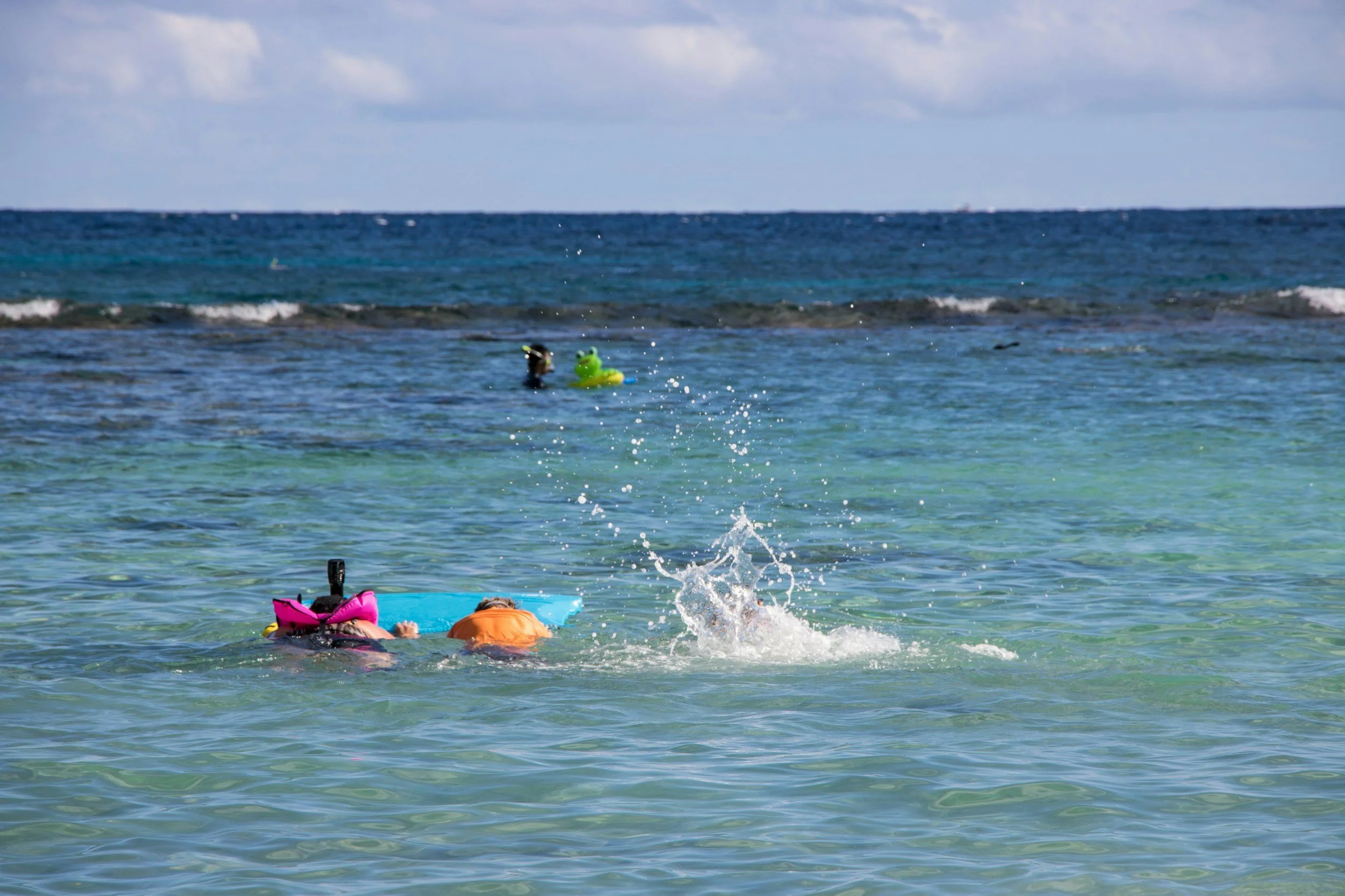
The biggest mistake families make on their first Maui snorkel day is heading out at noon. By midday the trade winds pick up, the water churns, and what should have been a calm float over coral turns into a salty, choppy mess that scares the kids off the whole idea. Snorkeling in Maui for beginners works best in the first couple of hours after sunrise, when the ocean is glassy and the fish are out feeding. Get that one thing right and you're already ahead of half the people on the beach!
This is the part nobody warns first-timers about, so let's start there and build up from the basics: what snorkeling involves, where to take young kids, the gear that makes or breaks the morning, and how to keep everyone safe and happy in the water. By the end you'll know exactly how to plan your family's first time out.
What snorkeling in Maui for beginners means
Snorkeling is floating face-down on the surface of the water and breathing through a tube (the snorkel) while you watch what's below through a mask. That's the whole thing. You're not diving, you're not holding your breath, and you don't need to be a strong swimmer to do the gentle version close to shore. If your child can put their face in the water at the pool and stay calm, they can snorkel.
Maui happens to be one of the friendliest places on earth to learn. Many of the best beaches have shallow reef that starts just a few feet out, so kids can stand up whenever they want a break. The water is warm year-round, visibility is often excellent in the morning, and the marine life is spectacular. Green sea turtles, parrotfish, yellow tang, the occasional eel tucked into the rocks. We've watched plenty of nervous first-timers turn into obsessed little snorkelers within twenty minutes, simply because the reward shows up so fast.
The thing that makes Maui beginner-friendly is choice. You can pick a calm, protected cove for a four-year-old's first float, or a slightly deeper reef for confident older kids, all within a short drive. Knowing which beach matches your family's comfort level is most of the battle, and it's worth getting right before you ever rent a single mask.
Where to start: the calmest beaches for first-timers
Pick a protected bay, not an open beach with rolling surf. Beginners need water that's clear, shallow, and slow-moving, with an easy sandy entry rather than a slippery rock scramble. South and west Maui have the gentlest conditions for most of the year because they sit on the leeward side of the island, sheltered from the bigger swells.
A few qualities to look for when you're choosing a beginner spot:
Shallow reef near shore so kids can stand up and rest whenever they need to
A sandy or gradual entry rather than sharp lava rock at the waterline
Calm, protected water with little to no breaking surf
Lifeguards on duty, which adds a layer of comfort for a first outing
Easy parking and bathrooms, because a long, hot walk with snorkel gear sours the mood before you even reach the water
If you're still deciding which part of the island to base yourselves on, our rundown of the family-favorite beaches in south Maui covers the calmer coves that tend to work well for younger swimmers. For the specific reefs where the fish-watching is best, the deeper dive into our top Maui snorkeling spot for kids walks through what to expect at each one and when conditions line up. We'd start somewhere protected and shallow for the very first session, then graduate to a richer reef once everyone's confident.
The gear you need (and what to skip)
You need three things: a mask that seals, a snorkel that doesn't leak, and fins that fit. Everything else is optional. The single most important piece is the mask, because a mask that fogs or floods constantly is what ends most kids' snorkel careers before they begin.
Getting the mask right
Fit matters more than price. To test a mask, have your child hold it against their face without the strap and breathe in gently through their nose. If it suctions on and stays put for a second or two, it seals. If it falls off, it's the wrong shape for their face. Kids' faces are small, so adult masks usually leak on them. Buy or rent a youth-sized one.
To stop fogging, rub a tiny drop of baby shampoo (or the defog solution the rental shop hands you) around the inside of the dry lens, then do one quick rinse. Do this before you get in, not after the mask is already wet. It's a small ritual that saves a lot of frustration.
Snorkels, fins, and flotation
A dry-top or semi-dry snorkel keeps most splashes out of the tube, which is forgiving for nervous breathers. Fins help with tired legs but aren't required for a first try in shallow water, and for little kids they can feel awkward. We often skip fins for the youngest and let them paddle in the shallows instead.
For flotation, a snorkel vest or pool noodle is worth its weight in gold. A vest lets a child float face-down effortlessly, so they can relax and look around instead of fighting to stay up. Plenty of tour boats provide them, and they take the swimming-strength worry off the table almost entirely. We'd rather a child be over-floated and calm than under-supported and panicked.
One thing to leave at home: a regular swim mask that covers only the eyes, or cheap full-face snorkel masks of unknown quality. Full-face masks have raised safety concerns around carbon dioxide buildup, so a standard mask-and-snorkel setup is the safer call for the whole family.
Reef-safe sunscreen and ocean etiquette
Hawaii law bans the sale of sunscreens containing oxybenzone and octinoxate because those chemicals damage coral reefs. Bring a mineral sunscreen with zinc oxide or titanium dioxide instead, and apply it well before you reach the beach so it has time to absorb. Better yet, put the kids in long-sleeve rash guards so you barely need sunscreen on their backs at all, which is the part that bakes when they're floating face-down for an hour.
Touching coral, standing on it, or kicking it with fins kills it, and it's also illegal to harass marine life. Sea turtles are protected, so the rule is simple: look, don't touch, and keep at least ten feet of distance. Teach this to the kids on the drive over so it's not a surprise mid-swim. A calm "we watch with our eyes, not our hands" framing works better than a list of don'ts. For more on visiting the island respectfully, we keep a running list of things to skip on Maui that's worth a read before you go.
Keeping kids safe and calm in the water
Safety in the ocean comes down to picking the right conditions and staying close. Always snorkel with the kids, never let them drift out alone, and pick a beach with lifeguards for the first few outings. Check the surf report that morning and skip it entirely if the water looks rough or murky.
Build confidence in stages. Start in water shallow enough to stand in. Let your child put just their face in and breathe through the snorkel while holding your hands, then add the floating once they trust the breathing. Some kids take to it in minutes; others need two or three sessions before they relax. That's completely normal, and pushing a scared kid underwater is the fastest way to make them hate it. Patience wins.
A few practical safety habits that serve families well:
Use the buddy system, with one adult per one or two kids in the water
Keep a snorkel vest or noodle on anyone who isn't a strong swimmer
Watch for currents, and teach kids to swim parallel to shore (not against the pull) if they ever feel tugged out
Set a clear hand signal that means "I'm done" or "come here"
Get out before anyone is exhausted, cold, or sunburned
Parents often worry about sharks, and we get it. The actual risk is extremely low, and a little context goes a long way toward enjoying the water instead of scanning it nervously. We laid out the real facts in our piece on shark encounters in Hawaii, and the short version is that you're far more likely to deal with a jellyfish sting or a stubbed toe than anything with fins.
Should you book a tour or go from the beach?
For an absolute first timer with young kids, shore snorkeling at a calm beach is the easier, cheaper, lower-pressure way to start. You control the timing, you can leave the second someone's had enough, and there's no boat, no schedule, and no seasickness. We'd almost always suggest families test the waters from the beach first.
Once everyone's comfortable, a boat tour opens up reefs you can't reach on foot, and Molokini Crater is the headliner. It's a half-sunken volcanic crater off the south shore with clear, deep water and dense fish life, and most tours hand out gear, flotation, and snacks. The tradeoff is the early wake-up, the cost, and the open water, which is better suited to kids who already know they like snorkeling. If a crater trip is on your radar, our must-know tips for Molokini and the broader look at a Molokini family snorkel adventure both cover what the morning feels like with kids aboard.
Beginner-friendly Molokini trips we'd look at
Molokini Crater Snorkeling Trip (2 hours, from Kihei): a short morning trip with gear and flotation included, so less time on the open water for kids still finding their sea legs.
South Maui: Molokini Snorkeling Adventure: a longer, family-friendly catamaran trip from Ma'alaea with two snorkel stops, breakfast, and lunch on board.
| Factor | Shore snorkeling | Boat tour (e.g. Molokini) |
|---|---|---|
| Best for | First-timers, young or nervous kids | Confident kids who already enjoy it |
| Cost | Just gear rental or purchase | Per-person tour fee, often higher for adults |
| Timing | Leave whenever you like | Fixed early departure, set return |
| Water | Shallow, standable, close to shore | Deeper open water, flotation needed |
| Marine life | Reef fish, turtles, varies by beach | Dense fish, great visibility, more variety |
The best time of day and year to go
Morning is non-negotiable for beginners. Get in the water within the first two hours of daylight, before the trade winds pick up and stir the surface. Calm water means better visibility, less chop for nervous kids, and easier breathing through the snorkel. By early afternoon many beaches turn windy and cloudy underwater.
Season matters less than time of day, but it's worth knowing. South and west shores are calmest in summer; winter brings bigger surf to some beaches, though the leeward side usually stays swimmable. Winter is also whale season, which is a different kind of magic from the boat, and our notes on when and how to go whale watching pair nicely with a snorkel trip if you're visiting between roughly December and April. For the bigger picture of how to slot snorkeling alongside everything else, our guide to outdoor activities in Maui with kids maps out a week that flows by season.
What to pack for a family snorkel day
Pack light but pack smart. Beyond gear, you want sun protection, water, and a way to dry off and warm up small bodies who get cold faster than you'd expect.
- Mask, snorkel, and fins (or a plan to rent on arrival)
- Snorkel vests or noodles for weaker swimmers
- Reef-safe mineral sunscreen and long-sleeve rash guards
- Plenty of drinking water and easy snacks
- Towels, dry clothes, and a warm layer for after
- Water shoes for rocky entries
- A small first-aid kit with vinegar for jellyfish stings
If you'd rather not build the list from scratch, our free printable family beach day packing list covers the whole beach-day kit so nothing gets left in the condo — including everything you need for snorkeling in Maui for beginners — and the broader Maui packing guide sorts out what to bring from home versus what to grab once you land.
Frequently asked questions
Is snorkeling in Maui for beginners safe for young kids?
Yes, when you choose calm conditions and stay close. Snorkeling in Maui for beginners is very doable for kids who can comfortably put their face in water, as long as you pick a sheltered beach, go in the calm morning hours, use a snorkel vest for weaker swimmers, and keep one adult within arm's reach. Start in water shallow enough to stand in and build up from there.
Do my kids need to know how to swim to snorkel?
Strong swimming isn't required for gentle shore snorkeling, but basic water comfort is. A child who panics with their face in water isn't ready yet. A snorkel vest or pool noodle handles the floating, so the real skill is staying calm and breathing through the tube. Practice that part in a pool before your trip if you can.
What's the best age to start snorkeling?
Many kids are ready around four or five if they're comfortable in water, though every child is different. Younger ones can wade and peek with a mask in ankle-deep water while you hold them. There's no rush. The goal is a happy first experience, not a milestone, so follow your child's comfort rather than a number.
Where can I rent snorkel gear on Maui?
Rental shops are common across south and west Maui, and many offer weekly rates that beat buying, plus they handle defogging and fit for you. If you snorkel often at home, packing your own kids' masks guarantees a known fit. Either way, sort the gear before your beach morning so you're not shopping when you should be in the water.
Will we see sea turtles?
Often, yes, especially at reefs known for them, though sightings are never guaranteed. Green sea turtles are common in Maui waters and frequently glide right past snorkelers. Keep at least ten feet away and never touch them, as they're federally protected. Morning sessions on a calm reef give you the best odds.
Your first family snorkel in Maui doesn't need a boat, a big budget, or expert swimmers. Pick a calm, protected beach, get in early while the water's glassy, sort out masks that seal properly, and let curiosity do the rest. Snorkeling in Maui for beginners tends to hook kids fast once that first turtle drifts by, and the hardest part is usually convincing them to come back to shore. Start small, watch them light up, and see where the week takes you from there.