Maui Whale Watching with Kids: How to Pick the Right Tour
This post contains affiliate links. If you book through them, we may earn a small commission at no extra cost to you. Read our full affiliate disclosure.
Maui whale watching with kids works best when the boat matches the family, and a large catamaran with shade, a real bathroom, and a stable deck is the right call for children under six. Humpback whale season runs mid-December through April, with February as the peak, when the Auau Channel between Maui, Lanai, and Molokai fills with mothers, calves, and active male pods. Morning departures give families glassy water and fresh kids before afternoon wind chops up the channel. Tours with a naturalist on board, kid-size life jackets, and a sighting guarantee signal a crew that runs the channel regularly and knows it well. The boat choice, the departure time, and a little prep at home matter more than which morning you pick, because during peak season the whales are already there.
The single biggest mistake families make with Maui whale watching with kids is booking the wrong type of boat. A fast catamaran built for adults chasing the best photos can leave a five-year-old seasick and cranky 20 minutes in, while a slow, stable raft with no shade can fry everyone by hour two. Picking the right tour matters more than picking the right day, because humpbacks are everywhere in winter, but the boat is what your kids will remember.
Maui sits in the middle of the calving grounds humpback whales travel thousands of miles to reach, which is why whale watching here is so reliable from December through April. Below is the exact order we'd work through when choosing a family tour, so you end up with happy kids, a smooth ride, and whales close enough to gasp at.
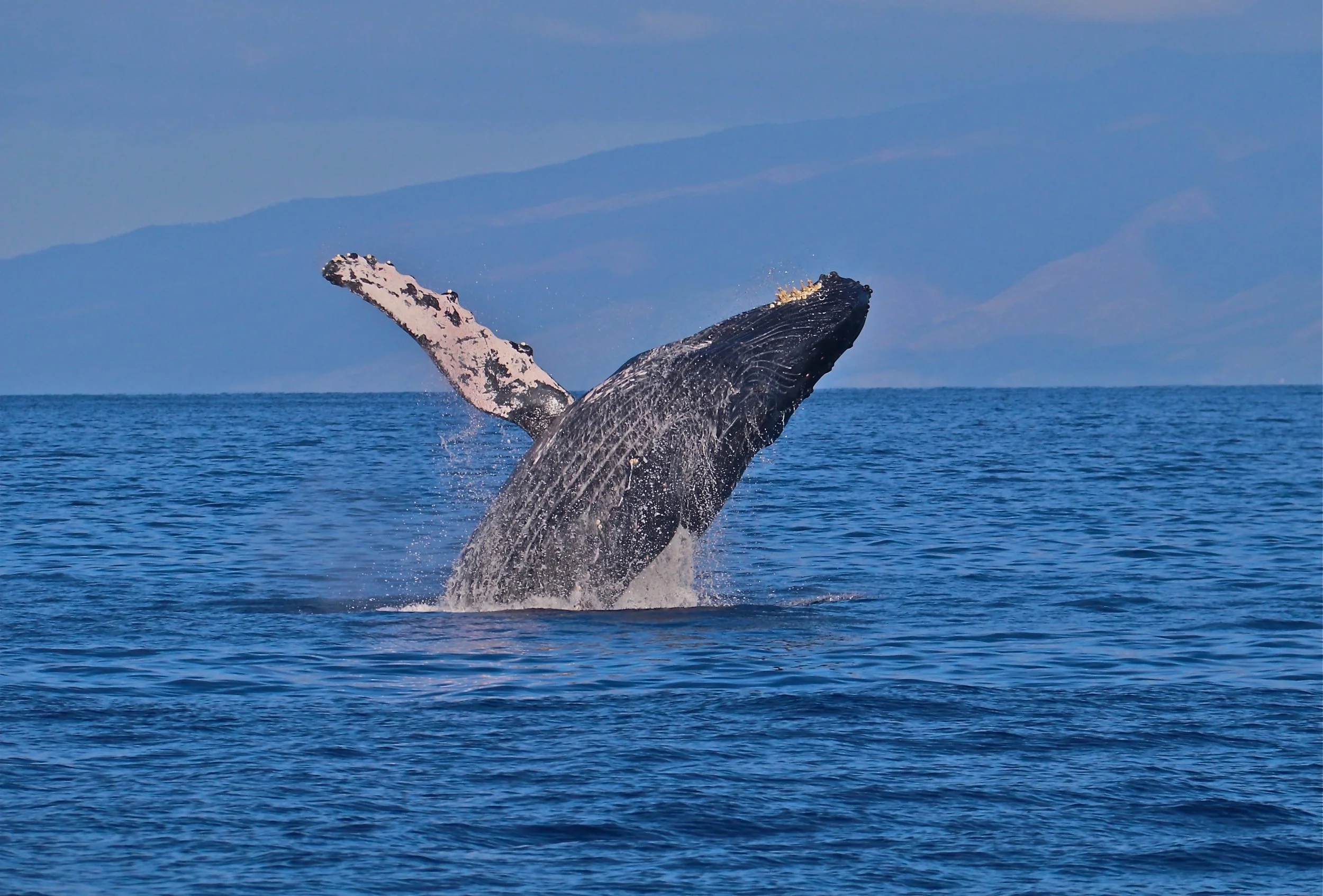
Step 1: Plan Maui Whale Watching with Kids Around the Right Time of Year
Before you compare a single boat, check the calendar. Humpback whale season on Maui runs roughly mid-December through April, with peak sightings in late January, February, and early March. If your trip lands inside that window, you're golden. Outside it, even the best captain can't conjure whales that haven't arrived yet.
February is the sweet spot. The waters of the Auau Channel between Maui, Lanai, and Molokai fill with mothers, calves, and competitive male pods, and you'll often spot breaches without leaving the harbor. We dig into the timing details in our breakdown of when whale season peaks and what each month looks like, which is worth a skim before you commit to dates.
If you're still mapping out the whole trip, slot whale watching into a morning when the water tends to be calmest and your kids are freshest. Our full week-in-Maui plan for families shows how to balance a big-energy boat day against quieter beach mornings so nobody melts down by Wednesday.
Step 2: Match the boat type to your kids' ages
This is the decision that makes or breaks the day, and most tour sites won't spell it out for you. The vessel matters far more than the company name. Here's how the main options compare for families.
| Boat type | Best for | Watch out for |
|---|---|---|
| Large catamaran | Toddlers and young kids; shade, bathrooms, snack bars, stable deck | Bigger crowds, less intimate viewing |
| Mid-size power boat | School-age kids who want to cover more water and see more whales | Faster ride can be bumpy in afternoon wind |
| Rigid inflatable raft | Older kids and tweens who love speed and sitting close to the waterline | No shade, no bathroom, rougher ride, not for little ones |
| Sailing catamaran | Mixed-age groups wanting a calm, quiet ride | Slower, so you may cover less ground |
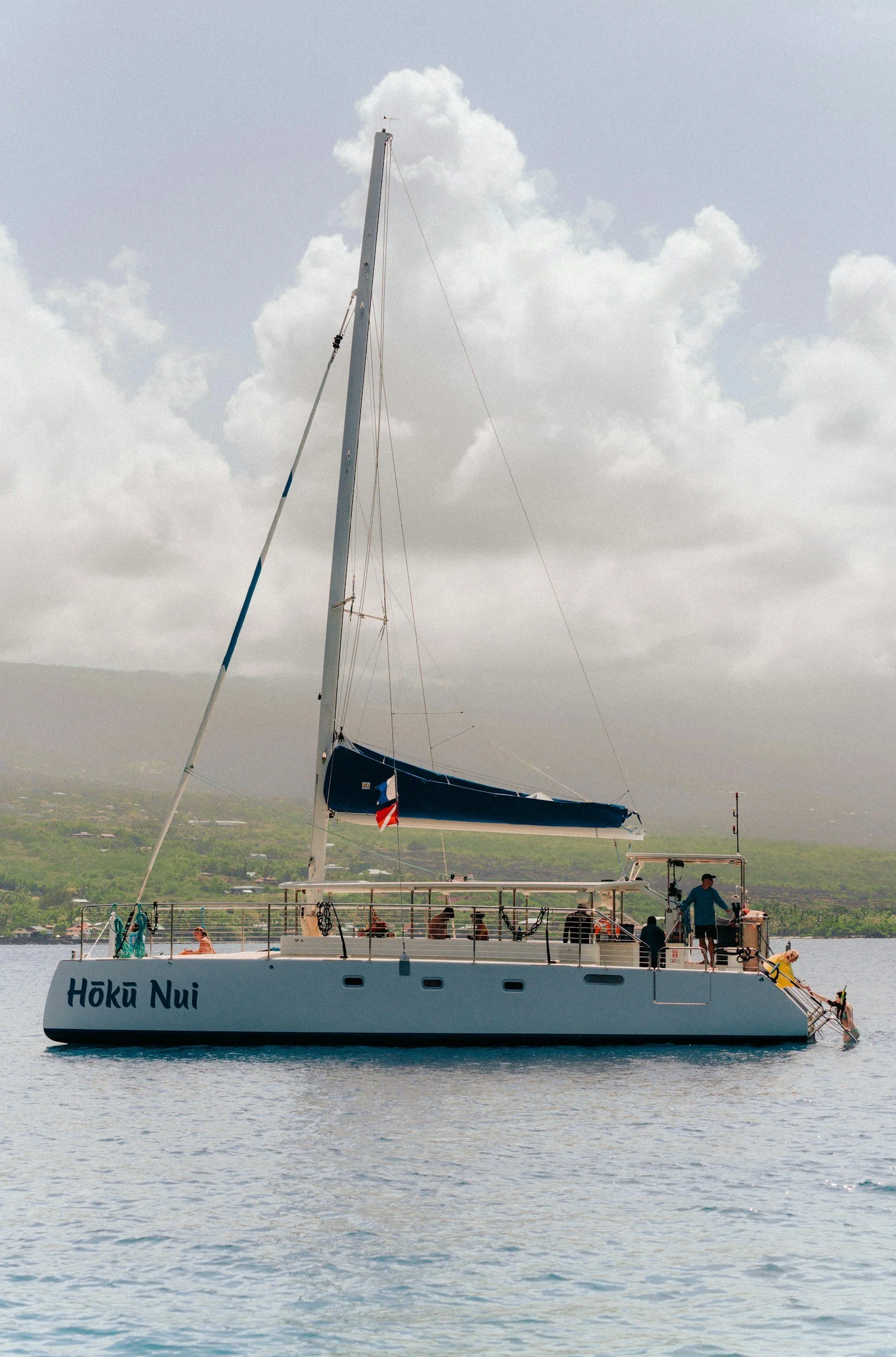
Family-friendly whale watching tours we'd shortlist
Eco-Friendly Whale Watch from Ma'alaea Harbor: a big, stable catamaran with a Junior Naturalist program for kids, and if you don't see whales, you go again free. Best for families staying in Kihei or Wailea.
Ka'anapali Whale Watch on a Luxury Catamaran: you board right from Ka'anapali Beach, so there's no harbor drive with sleepy kids. A naturalist and an underwater hydrophone are on board, and sightings are guaranteed.
Lahaina Whale Watch with a Naturalist: a two-hour trip from the west side, offered in the morning or at sunset, with a sighting guarantee.
For families with kids under six, we'd steer you toward a large catamaran every time. The flat deck, the shade, and a real bathroom are worth more than any extra knot of speed. Once your kids are seven or eight and steady on their feet, a mid-size power boat opens up more of the channel and usually means more whale encounters per trip.
Step 3: Check the tour length against your kids' attention span
A two-hour tour is the family sweet spot. Long enough to find whales and watch a few good behaviors, short enough that nobody's begging to go back to shore. Three-hour trips sound like better value, but with young kids that last hour is often spent managing snacks, sunscreen reapplications, and a tired toddler who's done with the boat.
Morning departures almost always beat afternoon ones for families. The wind picks up as the day goes on, which means choppier water and more queasy stomachs. A 7:30 or 8:00 a.m. launch gives you glassy conditions and kids who haven't yet hit their afternoon wall.
If you have to choose between a longer afternoon tour and a shorter morning one, take the morning every time. Calm water and fresh kids beat extra minutes on a windy deck.
Step 4: Confirm the seasickness and safety basics
Seasickness is the thing that without fanfare ruins more family whale watching trips than bad weather. Plan for it before you board. Give kids motion sickness relief the night before and again that morning if your pediatrician okays it, keep everyone looking at the horizon, and avoid heavy greasy breakfasts. Pick seats toward the center and rear of the boat where the motion is gentler.
On the safety side, look for tours that provide kid-size life jackets (call ahead and confirm they have sizes for toddlers if you've got little ones), have a naturalist or marine biologist on board, and follow NOAA's federal rule keeping boats at least 100 yards from humpback whales. That distance isn't a downside, by the way. Whales are curious and routinely surface much closer on their own terms, which makes for the kind of moment kids talk about for months.
Pack a small dry bag with water, a hat, reef-safe sunscreen, and a light layer. Even in February the wind on open water has a bite, and a cold kid is a miserable kid. Our Maui packing rundown covers what's worth bringing from home versus buying once you land.
Step 5: Read reviews the right way
When you scan reviews, skip past the whale counts and look for words about how the crew handled kids. A captain who slows the boat for a seasick child, a naturalist who hands kids a hydrophone to hear whale song, a crew that points out turtles and flying fish during slow stretches. Those details tell you whether a tour is truly family-friendly or just tolerant of children.
Be a little skeptical of reviews raving about how fast the boat went or how far out it traveled. That's often code for a ride that's too rough for young kids. The reviews you want mention shade, patience, and crews who made the whole family feel looked after.
One green flag worth chasing: tours that guarantee a sighting or offer a free repeat trip if no whales show. In peak season that promise costs the operator almost nothing, but it tells you they're confident and that they run trips often enough to know the channel cold.
Step 6: Book the harbor closest to where you're staying
Lahaina and Maalaea harbors are the two main departure points. Maalaea sits more central and tends to have shorter drives for families staying in Kihei or Wailea, while the west-side harbors suit families based near Kaanapali. A 45-minute predawn drive to a far harbor with sleepy kids can sour the morning before you've even seen a whale, so factor the drive into your choice.
Where you're staying shapes this more than anything. If you haven't settled that yet, our guide to kid-friendly places to stay on Maui breaks the island down by region so you can match your home base to the activities you care about most.
Build the boat day into a relaxed morning, not a sprint. Whale watching pairs beautifully with a calm afternoon afterward, which is why we like stacking it next to gentler outings from our roundup of outdoor activities to do with kids on Maui rather than back-to-back big adventures.
Step 7: Prep your kids so they care
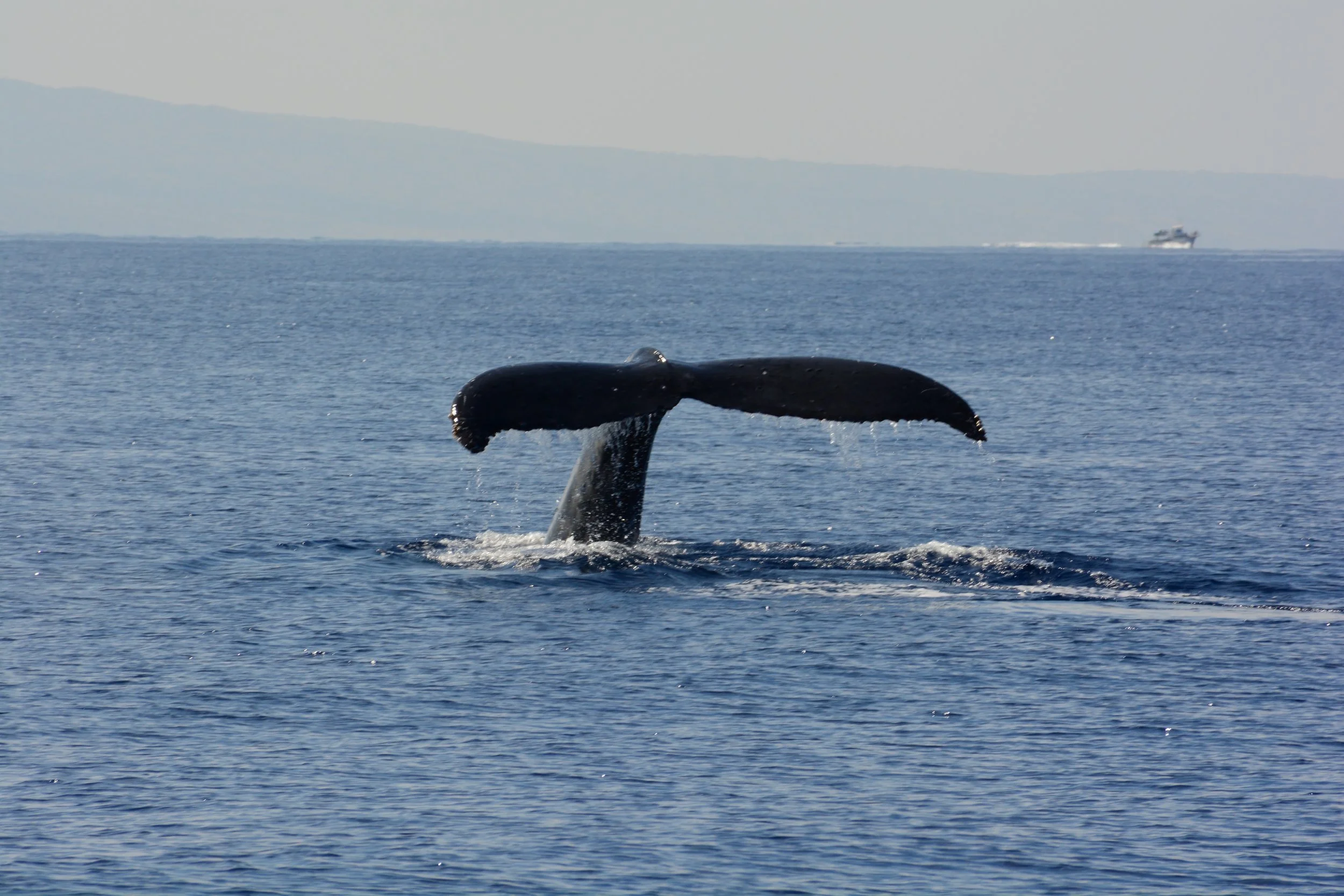
A little buildup turns a boat ride into the highlight of the trip. In the days before, watch a few humpback videos together, talk about why the whales travel all the way to Hawaii to have their babies, and let your kids pick which behavior they most want to see, whether that's a breach, a tail slap, or a spout. Kids who know what they're looking for stay engaged far longer than kids who are just told to watch the water.
A travel journal is a quiet winner here. Having kids sketch the whales or jot down how many they spot keeps them busy during slow stretches and gives them something to take home. Our family travel journal is built for exactly these kinds of memory-making days, with prompts that work well for younger writers.
And if the ocean has them hooked, lean into it. Maui whale watching with kids slots naturally alongside other gentle marine adventures, and our guide to the best snorkeling spots for kids is a great next step once your family's comfortable on and in the water.
Frequently asked questions
What is the best age for kids to go whale watching in Maui?
Maui whale watching with kids is possible at any age, but the experience lands best from around age four and up. Younger toddlers can struggle with the boat motion and the wait between sightings, so if you're bringing little ones, choose a large, stable catamaran with shade and a bathroom rather than a fast raft. School-age kids tend to love it the most.
When is whale watching season on Maui?
Humpback whale season on Maui runs from mid-December through April, with the most activity in January, February, and early March. February is generally the peak, when the Auau Channel fills with mothers, calves, and active male pods. Book within that window and your odds of seeing whales are excellent.
How do I keep my kids from getting seasick on a whale watching tour?
Choose a morning departure when the water is calmest, give motion sickness relief beforehand if your pediatrician approves, and have kids keep their eyes on the horizon. Sit toward the center and rear of the boat, skip a heavy breakfast, and bring water and a light snack. A large catamaran rides far smoother than a small raft.
How much does a family whale watching tour on Maui cost?
Prices vary by boat type, length, and season, and most operators offer discounted or free rates for young children. Two-hour family tours are typically the best value, since longer trips rarely add much for kids with shorter attention spans. Check directly with the operator, as kids' pricing and age cutoffs differ from boat to boat.
Are whale watching tours worth it for a family?
For most families visiting during whale season, yes. Seeing a 40-ton humpback breach a hundred yards away is the kind of moment kids remember long after the trip ends. The key is matching the boat and tour length to your kids' ages so the day stays fun rather than long.
Once you've matched the boat to your kids and locked in a calm morning during peak season, this experience becomes one of the easiest wins of the whole trip. Start by checking your travel dates against the season, then shortlist two or three family-friendly catamarans near your home base, and you'll be set for a morning your kids won't stop talking about. The whales, in truth, are the easy part.