Affiliate Links may be used on this website, at no additional cost to you. This means I may earn a commission if you make a qualifying purchase. There is no charge to you. Thanks for supporting this website!
Most kids can stand up on a surfboard during their very first lesson in Maui, and the moment they do, you'll see a grin that lasts the whole trip. Surf lessons in Maui for kids are one of the easiest wins on the island. The water is warm, the beginner breaks are gentle, and the instructors here have taught more wiggly six-year-olds than they can count.
We've put together the questions families ask us most before booking that first lesson. Here's everything you need to know about ages, cost, gear, and what an hour in the water with a Maui surf instructor really looks like.
What age can kids start surf lessons in Maui?
Most surf schools take kids starting around age 5, and the sweet spot for a first real lesson is 6 to 8. By that age, a child can listen to an instructor, hold a paddle position, and pop up without needing constant hands-on help.
That said, plenty of operators will work with kids as young as 4 in a private setting, often with the instructor walking the board out and giving a little push into the whitewash. Younger than that, and you're better off letting them play in the shallows and build water confidence first. Comfort in the ocean matters more than the number on the birthday cake. A nervous 7-year-old who hates getting splashed will have a rougher time than a fearless 5-year-old who's been in the pool all summer.
One quick gut-check: can your child swim, or at least float and tread water comfortably for a minute or two? Surf instructors keep a close eye on every kid, but swimming ability is the single biggest factor in whether a lesson feels fun or frantic.
How much do surf lessons cost in Maui?
Group surf lessons in Maui for kids typically run somewhere in the range of $80 to $120 per person for a 90-minute to two-hour session, while private one-on-one lessons usually land between $150 and $250 depending on the operator and the season. Semi-private lessons (two or three kids sharing one instructor) split the difference and are a smart choice for siblings.
A few things that nudge the price up or down:
Group vs. private: Groups are cheaper and have a fun, social energy. Private lessons get your child far more wave time and faster progress.
Lesson length: Most are 90 minutes to two hours, which is about right before little arms turn to noodles.
Location: Lessons launching from Lahaina and the west side beginner breaks sometimes price a touch higher than south-side spots.
Season: Winter holidays and spring break book out fast, so reserve early rather than hoping for a walk-up rate.
Board rental, rash guard, and reef-safe sunscreen are almost always included in the lesson price. If you're trying to keep the whole Maui trip on budget, it helps to know where the free wins are too, and our roundup of free things to do across the island pairs nicely with one splurge surf day.
Group or private lessons: which is better for kids?
For a first-ever lesson, we lean toward private or semi-private for kids under 8. The instructor can stay in arm's reach, time the pushes, and read your child's mood in real time. A timid kid relaxes much faster with one adult focused entirely on them.
Group lessons shine once a child has a little confidence, or when you've got a few kids close in age who'll feed off each other's energy. There's something contagious about watching the kid next to you stand up and ride one in. Just know that in a group of four or five, each child gets fewer pushes and more waiting in line.
If you only book one lesson the whole trip and your kid has never surfed, spend the extra money on private or semi-private. The wave count alone makes the difference between "that was fun" and "can we go again tomorrow?"
Either way, ask how many kids each instructor handles. A good ratio for young children is no more than three kids per instructor in the water.
Where are the best beaches for kids' surf lessons in Maui?
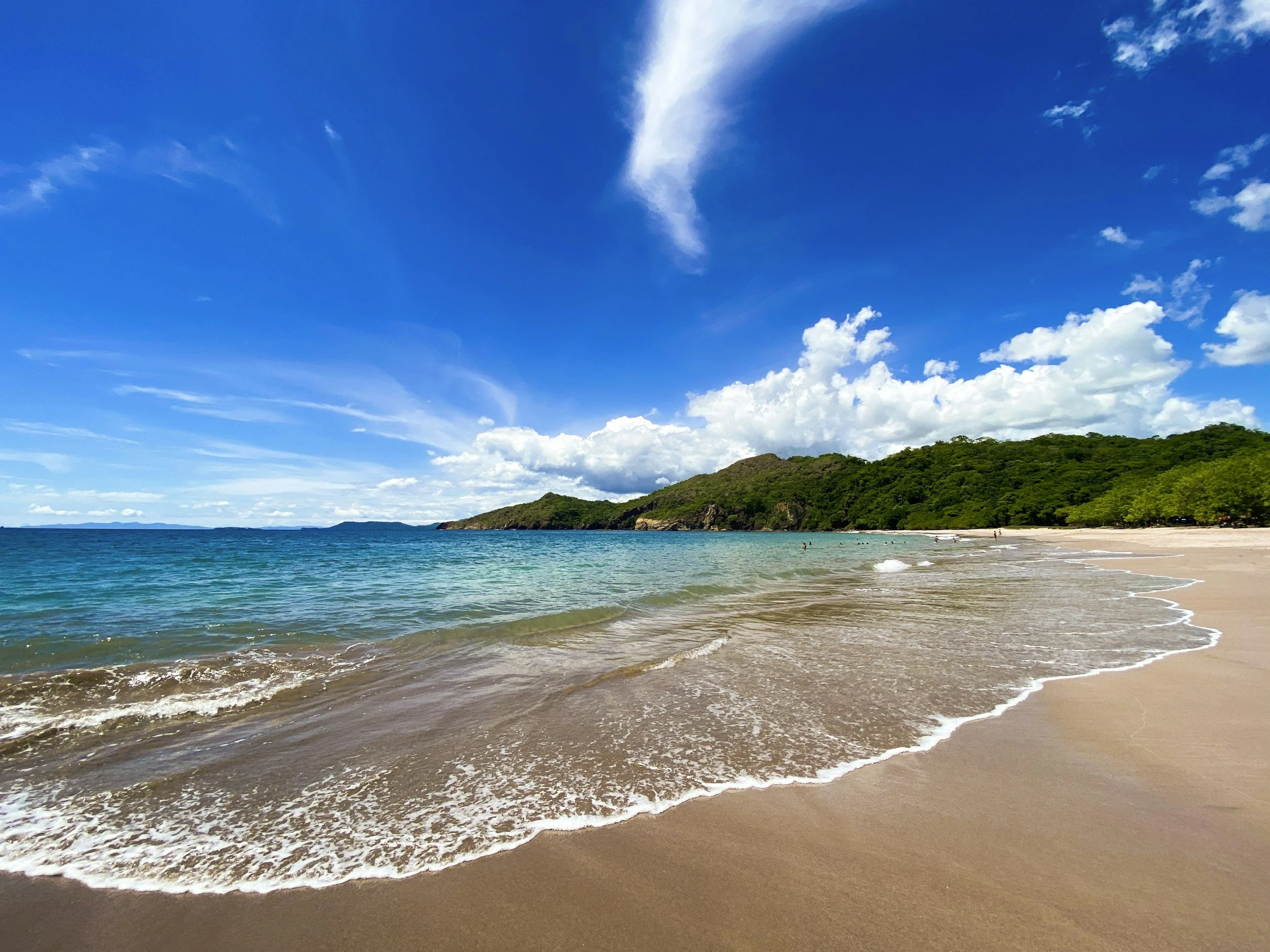
The south and west shores hold the gentlest, most forgiving beginner waves, which is exactly what a first lesson needs. The breaks here roll in slow and crumbly rather than steep and fast, giving kids long, easy rides on the whitewash close to shore.
South-side spots near Kihei tend to have mellow, sandy-bottom beginner zones that are ideal for little ones, and the same calm water makes the area great for swimming between lessons too, which is part of why those south Maui beaches stay a family favorite. On the west side, the waters off Lahaina have long been a learn-to-surf hub with patient, predictable rollers. If you want to scope out the breaks before you commit to a school, our notes on the best beginner surf spots around the island walk through what makes each one work for first-timers.
Wherever you book, the operator chooses the spot based on the day's conditions, so trust their call. Surf instructors check the swell and wind every morning and will move the lesson if the usual beach is too bumpy.
What should kids wear and bring to a surf lesson?
Keep it simple. The surf school provides the board and usually a rash guard and reef-safe sunscreen, so your kid mostly needs to show up ready to get wet.
Here's the short packing list we run through before heading out:
A snug swimsuit that won't shift around while popping up. One-piece suits or board shorts with a secure tie work best.
A rash guard if you have one, even though many schools lend them. It saves little tummies from board rash.
Reef-safe sunscreen, applied 20 minutes before, plus a stick for faces. Hawaii law requires reef-safe formulas, and the sun is no joke on the water.
A towel and dry clothes for after, plus a water bottle and a snack. Surfing burns through energy fast.
Water shoes are optional but nice at rockier entry points.
Skip the floaties and pool toys. Leave anything you'd hate to lose in the car, since beach bags sit unattended while everyone's in the water. For the full rundown of what makes the suitcase for the whole trip, our Maui packing guide covers the rest of the family beach kit.
What happens during a kids' surf lesson?
The first 15 to 20 minutes happen on the sand. The instructor walks kids through the basics: lying on the board, paddling motion, and the pop-up from belly to feet. Most schools draw the board outline in the sand so kids can practice standing up over and over before a single wave is involved. Repetition on dry land is what makes the water part click.
Then everyone heads into the shallows. For young kids, the instructor usually stays right beside the board, lining it up with an incoming wave and giving a push at the right moment so the child only has to focus on standing up. Those first rides are in knee-to-waist-deep whitewash, gliding straight toward the beach. No paddling out to the big stuff, no deep water.
By the end of a 90-minute lesson, most kids have caught a handful of waves and stood up at least a few times. Some land it on the first try. Others need 20 attempts and then never want to stop. Both are completely normal. The instructor's whole job is to keep the vibe light, celebrate every wobbly ride, and read when your kid needs a break or a high-five.
Is surfing safe for kids in Maui?
Yes, with a reputable school and gentle beginner conditions, surf lessons are quite safe for kids. The beginner breaks used for lessons are chosen specifically because they're forgiving, and the soft-top foam boards used for learning are far safer than hard boards if a kid bumps into one.
The real safety factors are swimming ability, sun exposure, and choosing the right day. A good operator won't put kids out in oversized surf, and they'll always have an instructor within reach. We also talk to our own kids ahead of time about staying calm if they fall, which mostly means letting the wave pass and standing back up in the shallow water.
One worry parents always raise is sharks. The odds are very small, and the beginner zones close to shore are about the lowest-risk water there is, but if it's on your mind, the calm, fact-based breakdown in our Hawaii shark facts for parents is worth a read before you go. Knowing the real numbers takes the edge off so you can enjoy watching from the beach.
How do I fit surfing into a Maui family itinerary?
Book the lesson for the morning. Wind tends to pick up by midday on most Maui shores, and calmer morning water makes for cleaner, easier beginner waves. Mornings also dodge the worst of the midday sun.
Build in a slow afternoon after the lesson, because kids will be pleasantly wiped out. A surf morning pairs beautifully with a mellow beach picnic, an ice cream run, or a turtle-spotting stroll later in the day. If you're mapping out the whole week and trying to balance high-energy days with rest days, our guide to planning outdoor activities in Maui with kids lays out how to space things so nobody melts down by day four. And for families plotting a full seven days, the week-long Maui itinerary shows exactly where surf lessons in Maui for kids slot in without overloading the schedule.
Frequently asked questions about surf lessons in Maui for kids
Do you need to book surf lessons in Maui in advance?
Booking ahead is strongly recommended, especially during summer, winter holidays, and spring break when surf lessons in Maui for kids fill up days in advance. Morning slots go first because of the calmer water, so reserving a week or two out gives you the best pick of times and instructors. Walk-up spots do exist, but they're a gamble during peak season.
Can a parent and child take a surf lesson together?
Yes, and it's one of the best ways to do it. Many schools offer family or semi-private lessons where a parent and child share an instructor, so you can cheer each other on and learn side by side. It also reassures nervous younger kids to see mom or dad out there wobbling and laughing right next to them.
What if my child gets scared in the water?
A good instructor expects this and slows everything down, sometimes staying in ankle-deep water until the child feels ready. There's no pressure to catch a wave on a timeline. If your kid simply isn't feeling it that day, that's okay, and easing them into ocean comfort through swimming and boogie boarding first often sets up a much better surf lesson down the road.
How many lessons does it take for a kid to learn to surf?
Most kids stand up and ride whitewash in their very first lesson. Becoming an independent surfer who paddles out and catches green waves takes a series of lessons and a lot of practice, but for a vacation, one or two sessions is plenty to give kids a real taste and a memory they'll talk about for months.
What's the best age to book a private versus group lesson?
For kids under 8, a private or semi-private lesson usually gives the focus and reassurance they need. Kids 9 and up who are confident swimmers often do great in a group, where the social energy keeps them motivated. When in doubt, the age and the swimming comfort matter more than which format is cheaper.
Once you've watched your kid catch that first wave, don't be surprised when surfing tops the list for next year too. If you want to keep the stoke going at home, our little learn-to-surf notebook makes a fun journal for sketching out future surf days, and there's plenty more island adventure to plan once the board's back on the rack.
Aloha!
Jen