Why Spain is the Ultimate Family Adventure Destination
Affiliate Links may be used on this website, at no additional cost to you. This means I may earn a commission if you make a qualifying purchase. There is no charge to you. Thanks for supporting this website!
Planning a family vacation that keeps everyone entertained can feel like an impossible puzzle. You want history and culture for the older kids, beaches for the little ones, food that doesn't prompt dinner table negotiations, and destinations close enough that you're not spending half the trip in transit. Spain delivers on all counts. From sun-soaked coastlines to medieval castles perched on hilltops, this country manages to be both wildly diverse and refreshingly easy to navigate with children in tow.
What makes Spain particularly appealing for families is how effortlessly it blends adventure with accessibility. The country's efficient train system connects major cities in hours, not days, and family-friendly infrastructure means you won't be wrestling strollers up endless staircases or hunting for changing tables. Many families find that booking Spain tours takes the guesswork out of planning, bundling flights, hotels, and guided experiences into seamless packages that let parents actually relax. Whether you're chasing Gaudí's architectural wonders in Barcelona or teaching your kids to bodysurf on the Costa Brava, Spain has a knack for turning ordinary family trips into memories that stick.

Beaches That Don't Require a Parenting PhD
Spanish beaches are the antidote to vacation stress. Unlike rocky coastlines that demand water shoes and constant vigilance, Spain's shores offer wide stretches of golden sand and calm, shallow waters perfect for toddlers who are still mastering the whole "ocean" concept. The Costa Dorada, stretching south from Barcelona, is particularly forgiving for families. Towns like Sitges provide that sweet spot between local charm and tourist-friendly amenities, meaning you can grab fresh bread from a bakery in the morning and rent beach chairs with umbrellas by noon.
The Mediterranean climate also works in your favor. Summer water temperatures hover around a comfortable 75°F, warm enough that you won't be peeling shivering children out of the surf every ten minutes. Many beaches have designated play areas with swings and slides just back from the sand, giving kids a chance to burn energy while parents enjoy that second coffee. Lifeguards are stationed along popular family beaches during high season, and beach bars serve simple meals that even picky eaters can navigate without drama.
Cities Built for Wandering (Not Meltdowns)
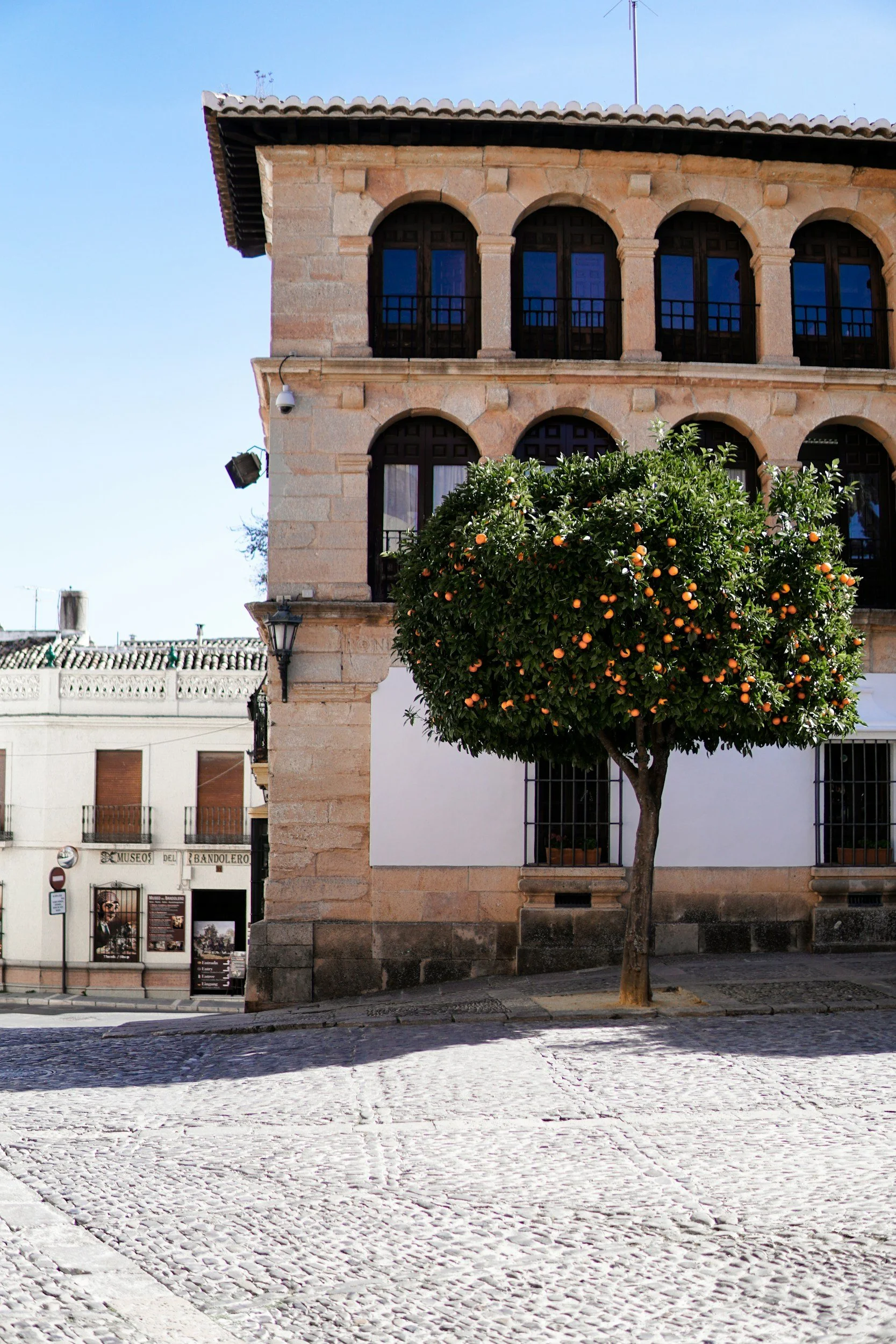
Barcelona and Madrid both deliver the urban energy that makes travel exciting without the overwhelming sprawl that exhausts families by lunchtime. Barcelona's Gothic Quarter is a maze of narrow streets where getting lost is half the fun. Kids love spotting gargoyles on medieval buildings, and the compact layout means you can duck into a plaza with fountains when someone needs a break. Park Güell offers Gaudí's whimsical architecture alongside open green spaces where children can run freely, and the mosaic benches provide endless photo opportunities that won't feel forced.
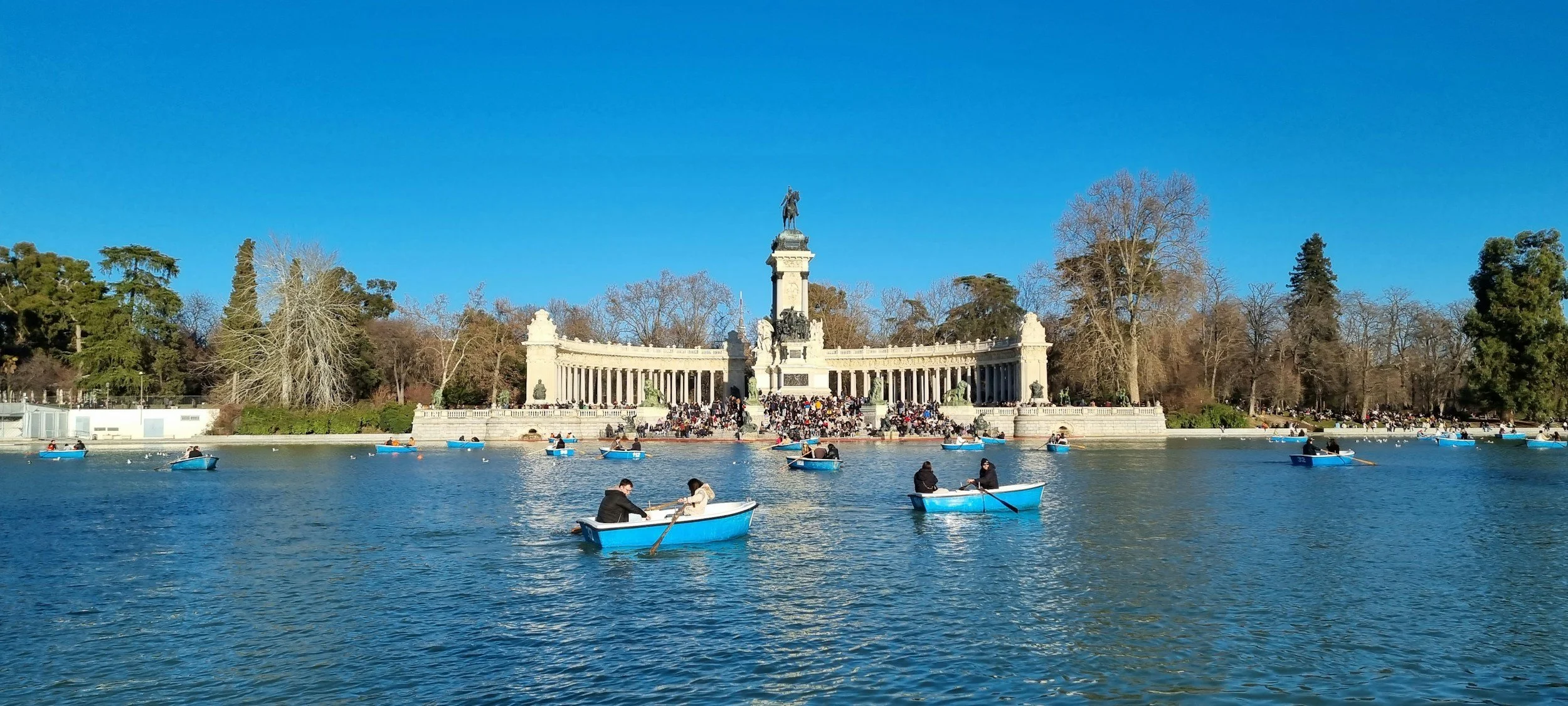
Madrid brings a different flavor with its grand boulevards and world-class museums that actually engage younger visitors. The Prado Museum can be intimidating, but focus on the ground floor's most famous works, spend 90 minutes rather than half a day, and you'll leave before anyone starts complaining. Retiro Park is Madrid's backyard, complete with rowboats on the lake, street performers, and enough shade to make summer afternoons bearable. The city's late dining culture might throw off your routine initially, but embracing a 9 PM dinner means you can spend the hottest part of the day inside museums or back at your accommodation.
Both cities excel at public transportation that doesn't require a degree in logistics. Metro systems are clean, well-signed in English, and stroller-accessible at most stations. Taxis are plentiful and affordable, and ride-sharing apps work seamlessly if you need a quick escape route when someone's patience runs thin. The pedestrian-friendly layout means you'll log miles without realizing it, which helps burn energy that might otherwise manifest as backseat bickering.
Food That Solves the "What Will They Actually Eat?" Dilemma
Spanish cuisine is refreshingly uncomplicated for families navigating picky eaters. Tapas culture means ordering small plates rather than committing to full entrees, giving kids the freedom to sample without the pressure of finishing a massive dish. Patatas bravas, croquettes, and tortilla española hit that comfort food sweet spot, and most restaurants will happily serve plain pasta or grilled chicken if your toddler isn't ready for adventure.
Markets like La Boqueria in Barcelona turn grocery shopping into entertainment. Stalls overflow with fresh fruit, local cheeses, and jamón that you can assemble into picnic lunches. Kids get excited choosing their own snacks, and eating outside eliminates restaurant wait times and the pressure to sit still. Spain's bakeries are another secret weapon, offering fresh-baked goods that make breakfast easy and delicious. Grab pastries and head to a park, and you've started the day without anyone complaining about hotel buffets.
The relaxed dining pace in Spain also works surprisingly well with children. Meals are social events, not races, and restaurants expect families. High chairs appear without you asking, and servers are patient with the chaos that comes with feeding small humans. The cultural acceptance of children in dining spaces means you won't get side-eye if someone drops a fork or needs to walk around between courses.
Castles, Caves, and Other Things That Beat Screen Time
Spain's historical sites aren't dusty relics that kids tolerate while parents snap photos. Many are genuinely interactive experiences that engage young imaginations. The Alhambra in Granada is a sprawling fortress with gardens, courtyards, and enough nooks to make kids feel like explorers. Yes, it requires advance tickets and some patience with crowds, but walking through rooms where Moorish royalty once lived makes history tangible in ways textbooks never achieve.
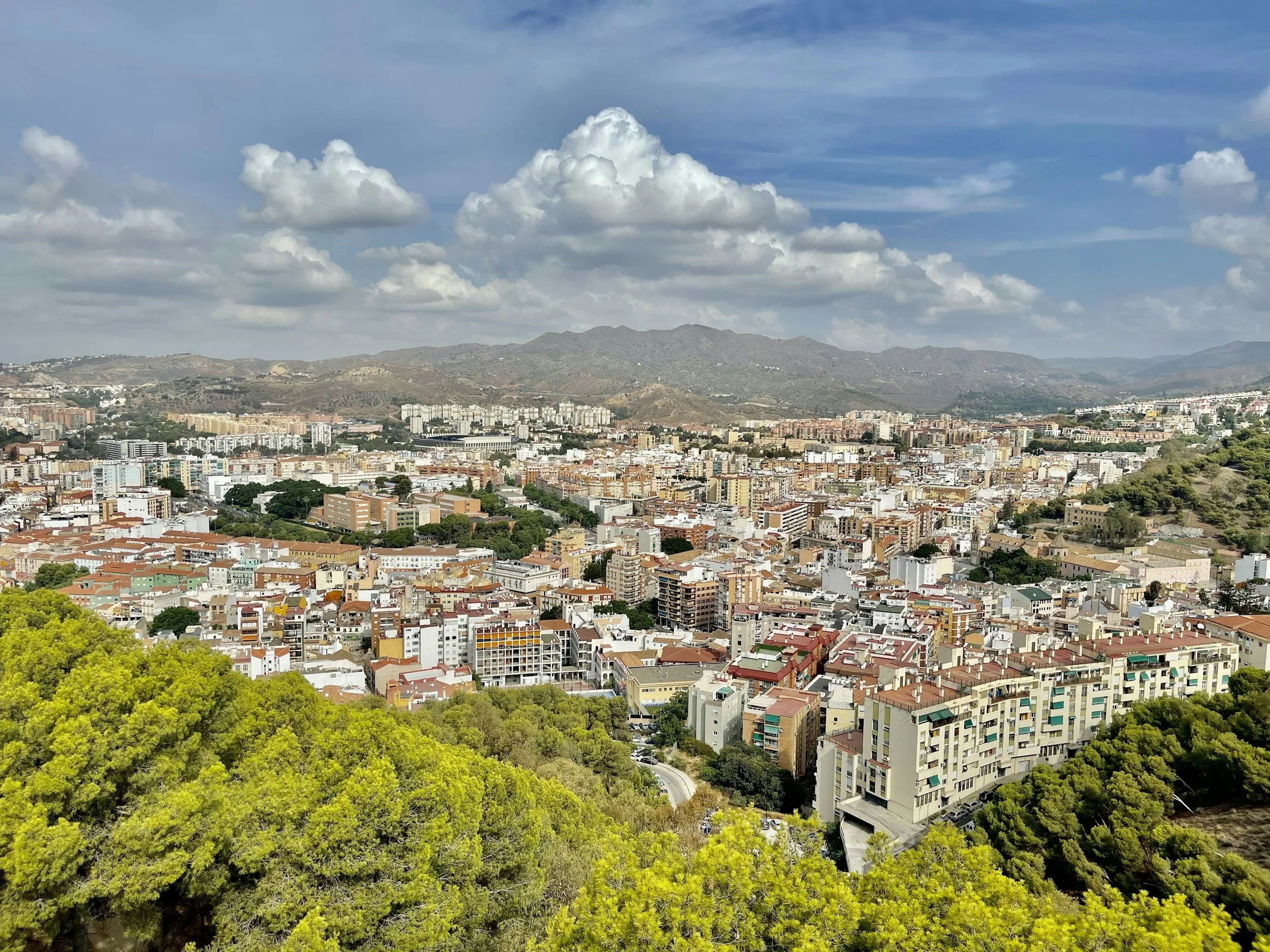
Andalusia's white villages offer castle ruins perched on dramatic cliffs. Places like Ronda let kids scramble over ancient walls while parents enjoy views that stretch to the Mediterranean. These smaller towns move at a slower pace than Barcelona or Madrid, giving families breathing room to wander without a strict itinerary. Cave houses carved into hillsides near Granada provide another layer of novelty, and many are now boutique hotels where you can actually stay overnight in something that feels like a hobbit dwelling.
Valencia's City of Arts and Sciences combines futuristic architecture with hands-on science exhibits. The aquarium houses Europe's largest ocean tunnel, where sharks glide overhead while kids press their noses to the glass. Interactive displays let them build structures, experiment with physics, and generally make controlled messes that satisfy their curiosity without driving you to distraction.
Practical Wins That Make the Trip Actually Doable
Spain's infrastructure quietly solves a lot of the friction points that derail family travel. Trains run efficiently between major cities, and booking is straightforward through Renfe's website or app. High-speed AVE trains cover Madrid to Barcelona in under three hours, with spacious seating and cafe cars that break up the journey. Stations have family bathrooms with changing tables, and luggage storage is available if you want to explore a city during a layover.
Accommodations range from hotels with connecting rooms to vacation rentals with full kitchens. Having space to spread out and the option to prepare simple meals takes pressure off constantly dining out. Many Spanish hotels include breakfast, and it's typically substantial enough that you can fuel everyone for half the day with minimal effort. Air conditioning is standard in modern accommodations, which matters when you're visiting during summer months and need everyone to actually sleep.
Pharmacies are abundant and well-stocked with familiar brands if someone develops a fever or needs motion sickness relief. Staff often speak enough English to help tourists, and over-the-counter medications are widely available. Travel insurance that covers medical care is worth the investment for peace of mind, but Spain's healthcare system is modern and accessible if you need it.
The siesta tradition initially seems inconvenient until you realize it's a built-in rest period. Use those midday hours when shops close to head back to your hotel, let kids nap or swim in the pool, and regroup before evening activities. Embracing the local rhythm rather than fighting it reduces stress and helps everyone acclimate to the pace of Spanish life.
Making It Happen Without Overthinking
The best family trips strike a balance between structure and spontaneity. Spain rewards both careful planning and the willingness to wander down an interesting side street just to see where it leads. Book your major transportation and accommodations in advance, secure tickets for popular attractions like the Sagrada Familia or Alhambra, and then leave gaps in your schedule for playground breaks, gelato stops, and unplanned discoveries.
Involve kids in planning by letting them choose one activity per day or pick restaurants from a shortlist. When they have ownership over part of the itinerary, they're more invested in making it work. Pack light, embrace the slower dining pace, and remember that the goal isn't checking off every sight but creating experiences your family will actually remember years later. Spain makes that easier than most destinations, which is why families keep returning long after their kids have outgrown the playground years.