Affiliate Links may be used on this website, at no additional cost to you. This means I may earn a commission if you make a qualifying purchase. There is no charge to you. Thanks for supporting this website!
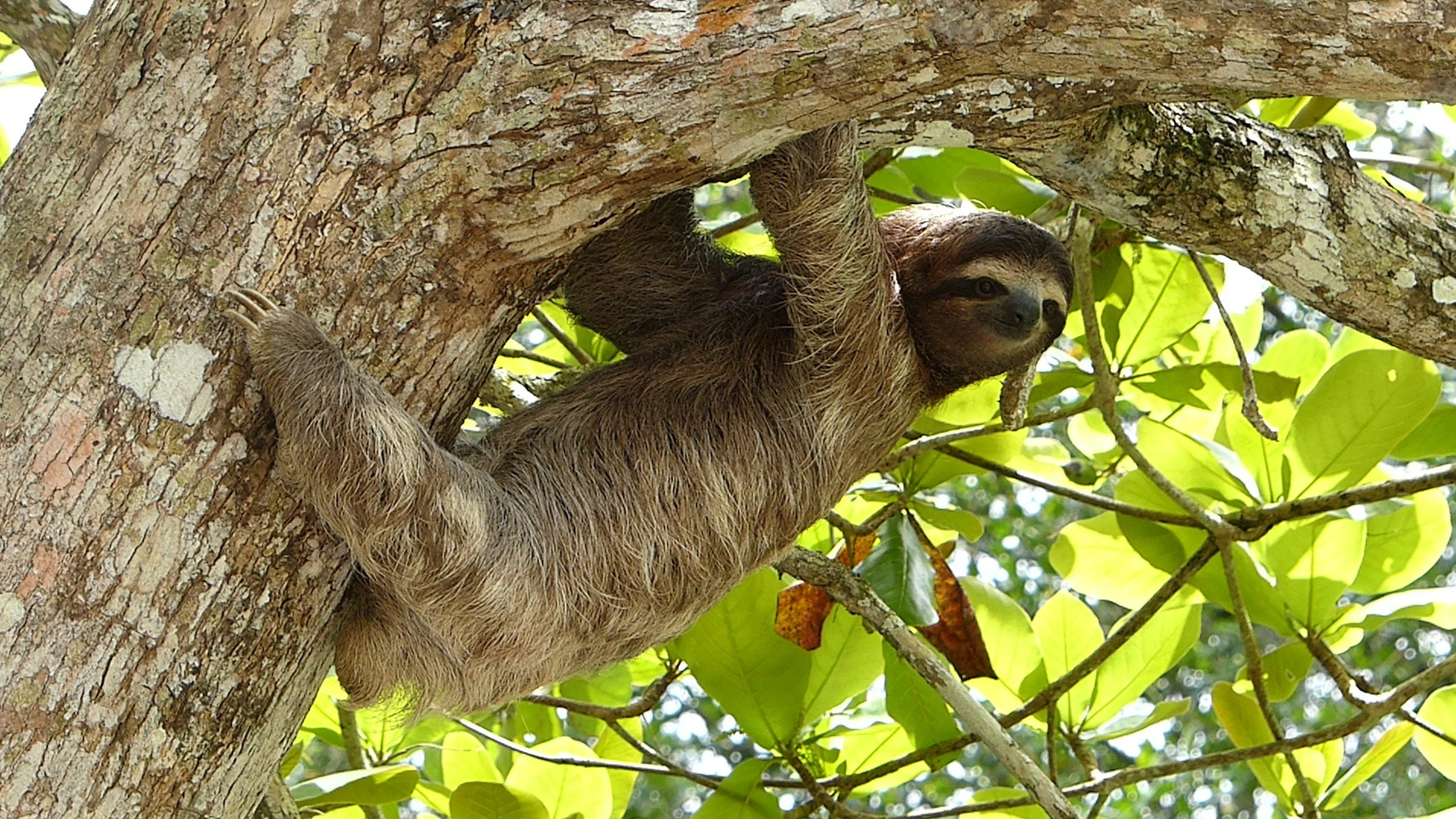
The single highest-odds wildlife moment of your whole trip probably won't come from a tour at all. It'll come from your kid spotting a three-toed sloth from a hotel balcony before breakfast, while you're still looking for coffee. That's the thing about Costa Rica wildlife with kids: the country does half the work for you, and the other half is just knowing where to point the family.
Below are ten wildlife experiences we'd put on a family itinerary, ranked loosely by how reliably they deliver animals without wrecking nap schedules. Each one includes what you'll likely see, which ages it suits best, and the catch nobody mentions. We've also folded in the stuff most guides skip: how to tell a real rescue center from a roadside photo op, seasonal timing for turtles and whales, and a few safety notes specific to kids in the rainforest.
How We Filtered Wildlife in Costa Rica for Kids by Sighting Odds, Comfort, and Ethical Standards
Three filters, applied without spin. First, odds of really seeing animals. A beautiful reserve where you see nothing is a hard sell to a six-year-old. Second, kid tolerance: short walking distances, shade, bathrooms, and a bailout option if someone melts down. Third, ethics. Costa Rica has world-class conservation work and it also has operations that let tourists hold wild animals for photos. One of those builds a kid's respect for wildlife. The other teaches them animals are props.
Reliability: Can you expect to see something within an hour or two?
Effort level: Flat trails, boat seats, or a guided walk instead of a four-hour climb.
Ethics: No handling, no feeding, no caged animals kept for entertainment.
Learning value: Does your kid leave knowing something they didn't know that morning?
One more thing worth saying upfront: hire a guide with a spotting scope at least twice during your trip. Guides see things you physically cannot. A camouflaged eyelash viper on a branch, a sleeping owl, a sloth that looks exactly like a termite nest. Paying a naturalist for two hours will double your sighting count for the week, and kids get wildly into looking through the scope.
Manuel Antonio delivers five major species in mostly flat terrain with a beach exit
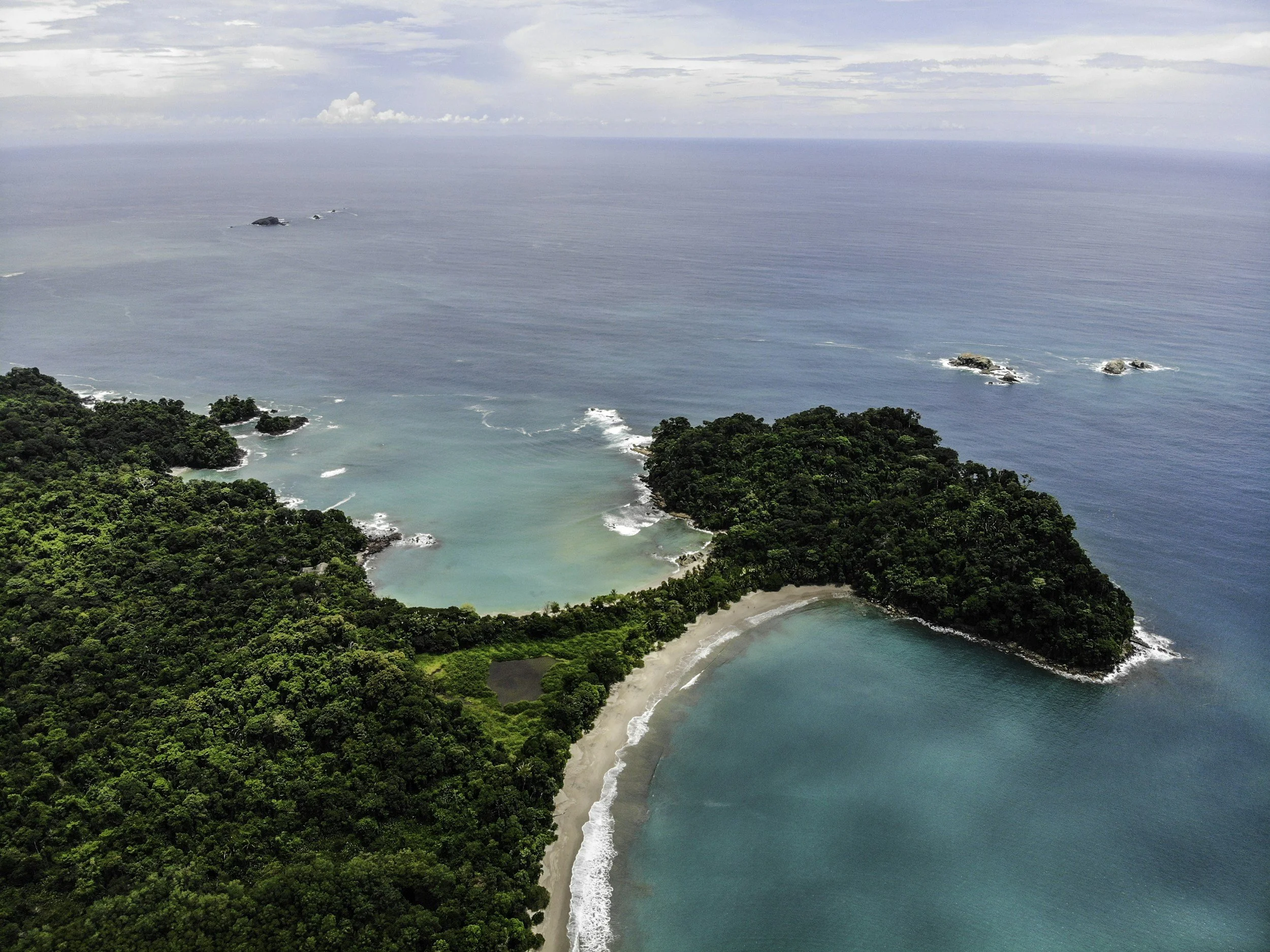
If you only do one wildlife outing, make it this. Manuel Antonio packs capuchin monkeys, howlers, two-toed and three-toed sloths, iguanas, agoutis, and a shocking number of birds into a small, mostly flat park with a beach at the end. The trails are wide and shaded. For families with preschoolers, that beach payoff is the whole strategy: an hour of looking up at trees, then swimming.
Go at opening. Animals are active early, the heat is survivable, and you beat the crowds that make monkeys skittish. Hire one of the certified guides at the entrance; they carry scopes and they know which trees the sloths slept in yesterday. Watch your snacks, though. The white-faced capuchins here are confident thieves and will absolutely unzip a backpack. Never feed them, and keep food sealed until you're out of the park.
Best for ages 3 and up. Toddlers do fine in a carrier.
Tortuguero's canal boats reach wildlife other parks can't access
Tortuguero is the closest thing Costa Rica has to an Amazon experience, and it's reached by boat or small plane rather than car, which kids find thrilling by itself. The canal tours are the main event: you glide through narrow waterways in a small boat while a guide cuts the engine and points out caimans, river otters, northern jacanas, green iguanas draped over branches, and the sleepy spectacular sight of howler monkeys waking up.
The dawn tour is the good one. Later boats see less. Because everyone is seated and the boat moves slowly, this is one of the easiest wildlife experiences for kids with short attention spans, though a restless toddler on a boat is its own adventure. Bring rain gear regardless of the forecast. The Caribbean side is wet most of the year, and that's exactly why the wildlife density is so high.
If you're timing a trip around turtles, see the seasonal notes further down, because Tortuguero is the headline destination for nesting green sea turtles.
Hanging bridges put you at canopy level where most action happens
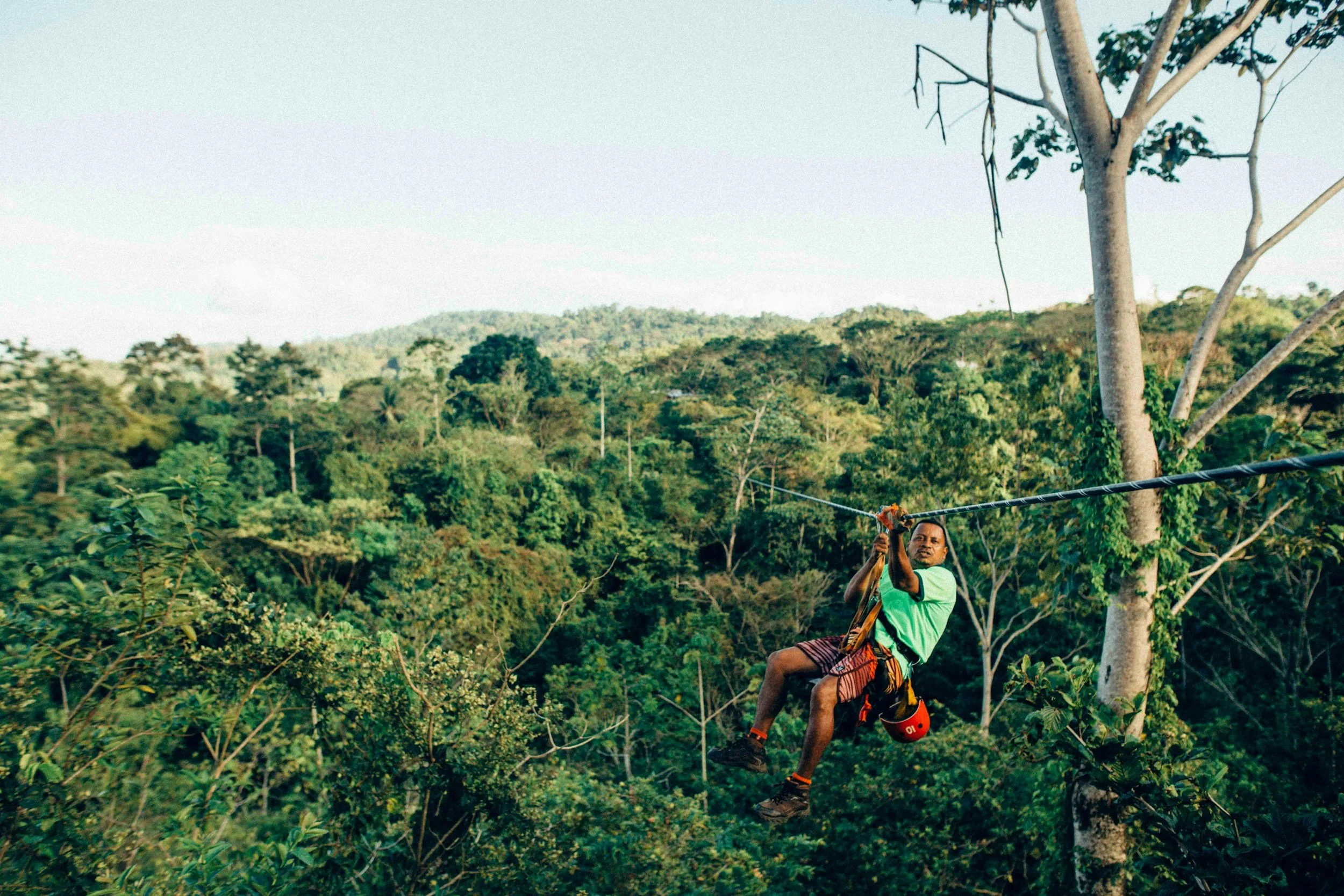
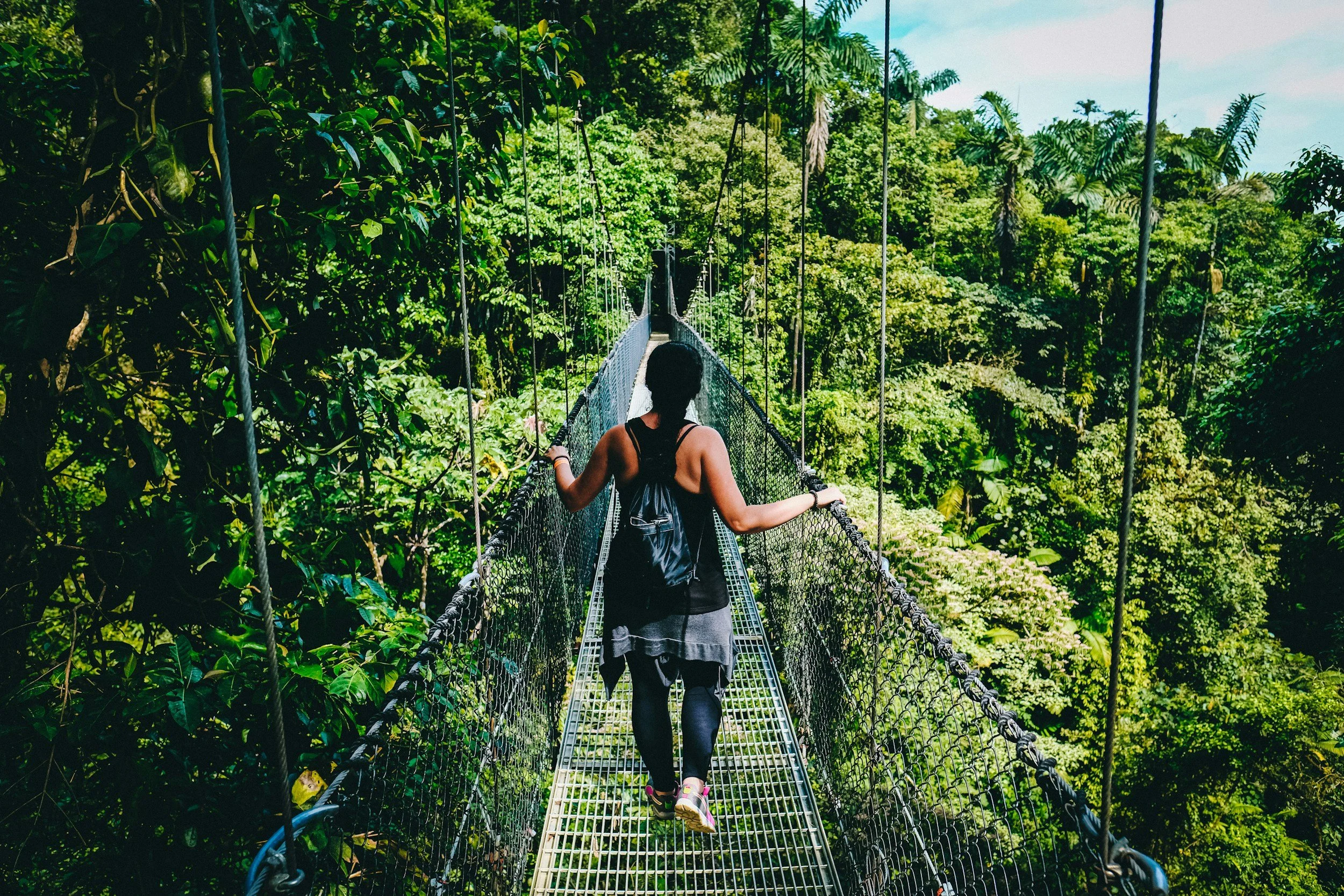
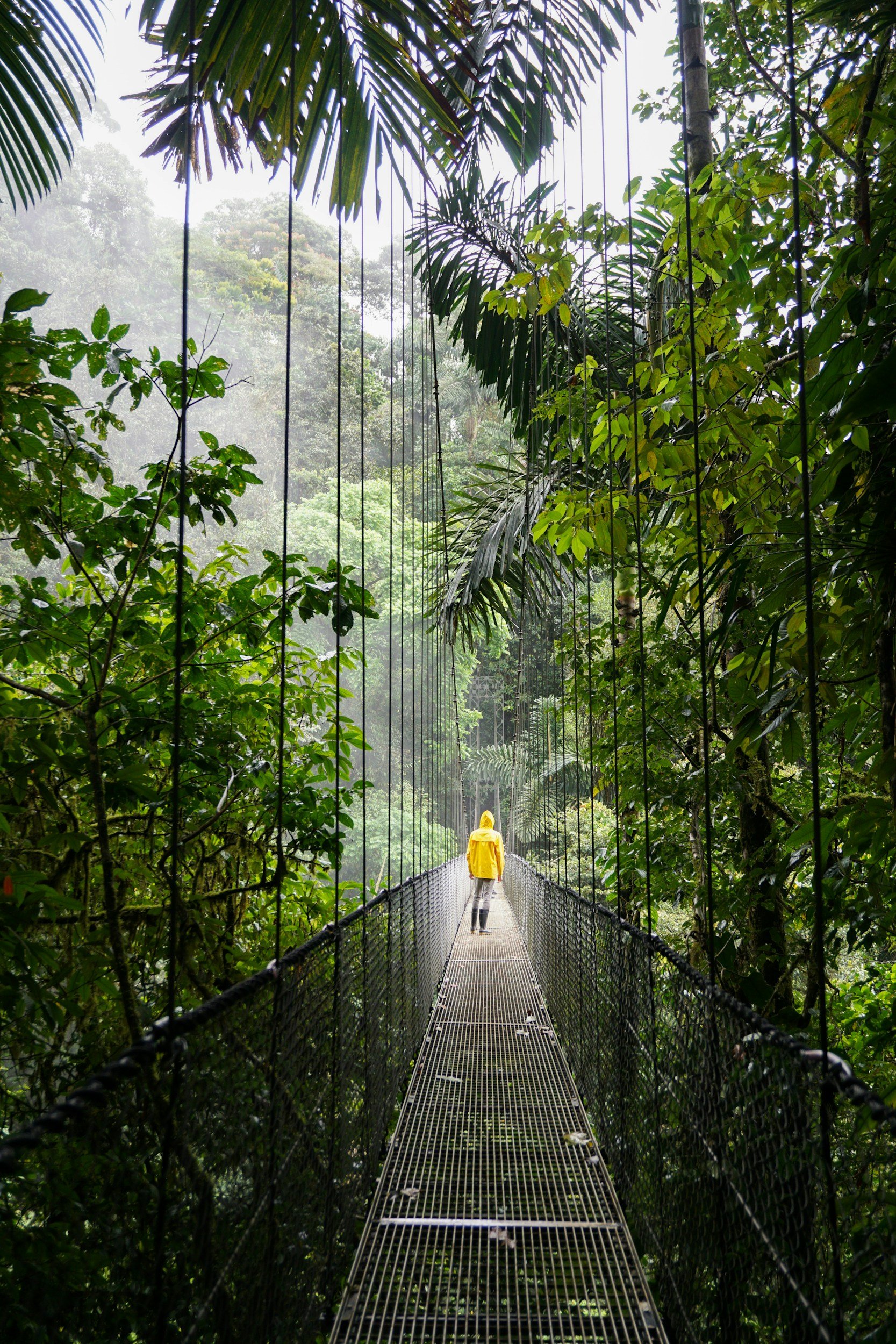
Hanging bridges put you at mid-canopy height, which is where a lot of the action happens. Toucans, oropendolas with their absurd hanging nests, howler troops moving through branches, and occasionally a sloth at eye level instead of as a distant blob. The bridges themselves are the draw for kids who'd otherwise be bored by a walk in the woods. There's something about a swaying bridge over a river gorge that makes a seven-year-old forget they were tired.
The trails near La Fortuna are well maintained, with railings high enough for small kids and paved or gravel sections between bridges. Loops typically run a couple of hours. Go early, or go at night with a guide for a totally different cast of characters: red-eyed tree frogs, kinkajous, sleeping birds. Our full rundown of what's worth your time around La Fortuna gets into which bridge parks and hot springs pair well on the same day.
Best for ages 4 and up, and a real hit with tweens who've decided nature is uncool.
Rescue centers show kids cause and effect through animals that can't be released
This is the experience that sticks with kids longest. Real rescue centers take in animals injured by cars, power lines, dogs, and the illegal pet trade, rehabilitate what they can, and release them. The animals you see are typically the ones that can't be released, and the staff explain exactly why. A one-eyed owl. A sloth that was electrocuted on a transformer. Kids connect cause and effect fast, and suddenly the "don't feed the monkeys" rule means something.
In the Manuel Antonio area, Kids Saving the Rainforest is the well-known nonprofit doing this work, and the kid-founded origin story lands well with young visitors. Elsewhere in the country, ask your lodge for the nearest accredited center and check the following before you book.
If a place lets you hold a sloth, feed a monkey, or pose with a wild cat, it is not a rescue center. It is a petting zoo wearing a conservation t-shirt. Walk away, and tell your kids why.
Legitimate operations put the animal's recovery first: no handling by visitors, no performances, clear information about release programs, and often a visible veterinary setup. Entry fees and donation structures vary by center, so check the organization's own site for current rates before you go.
Night walks reveal the nocturnal half of Costa Rica's wildlife
Roughly half of Costa Rica's wildlife is nocturnal, which means a family that goes to bed at 8pm every night is skipping half the show. Guided night walks run about two hours on flat trails with flashlights, and the hit rate is high: red-eyed tree frogs posing like they're being paid, glass frogs you can see organs through, tarantulas, sleeping toucans, stick insects, and if you're lucky, a kinkajou crashing around overhead.
Monteverde and the La Fortuna area both have reliable night walk operators. Stick with a guide. In the dark, a guide is the difference between a magical evening and a family that accidentally gets too close to a fer-de-lance. Closed shoes, long pants, and your own headlamp for each kid (they love having their own light, and it cuts the fighting over the one flashlight).
Best for ages 5 and up. Younger kids can do it but tend to tire out around the 45-minute mark.
Monteverde's cloud forest ecosystem hosts quetzals and hummingbird feeders
Monteverde is a different climate, a different ecosystem, and a different set of animals. Cooler, foggier, dripping with moss and bromeliads. It's the place to look for the resplendent quetzal (best odds during nesting season, typically in the first half of the year, though it's worth confirming timing with local guides or the reserves for current conditions), plus hummingbirds in absurd numbers at the garden feeders near the reserve entrances. The hummingbird gardens alone are worth the drive for small kids, who can stand three feet from a dozen birds at once.
Plain caveat: cloud forest wildlife is harder to spot than lowland wildlife. Dense vegetation, lots of fog, and animals that stay high. Go with a guide here or expect to see mostly beautiful plants. Pack warm layers, because parents routinely show up in shorts and freeze. Our family packing list for Costa Rica breaks down the layering problem, which is real when you're bouncing between a cloud forest at 4,600 feet and a beach the next day.
Sea turtle nesting and hatching moments reliably silence entire families
Watching a green sea turtle haul herself up a black-sand beach to dig a nest is one of the few wildlife moments that reliably silences a whole family. Tortuguero's green turtle nesting season falls roughly in the middle months of the year, with hatchlings continuing for some time after, though it's worth checking official Tortuguero or conservation sources for the current season window. On the Pacific side, Ostional and the Guanacaste beaches have olive ridley arribadas, mass nesting events, during the wet season, with timing that varies by year, so it's worth confirming with the Ostional refuge or tour operators.
The rules exist for good reason and kids need the briefing in advance: no white flashlights, no flash photography, quiet voices, and you stay with your guide behind the turtle. Tours run at night and often involve waiting, so this one is better for ages 7 and up who can handle a late, patient evening. Tour slots are limited and regulated. Book before you arrive, especially in peak nesting months.
Worth noting for families who love marine wildlife: Costa Rica also gets humpbacks from both hemispheres, which gives it an unusually long whale season. We've covered how Costa Rica whale watching works for families, including the months that overlap with school breaks.
Scarlet macaws are loud enough that distracted kids notice them
Scarlet macaws are the showstopper bird, and they're loud enough that even a distracted kid notices. The Osa Peninsula and the Carara National Park area near the Tárcoles River have strong populations, often seen in pairs because they mate for life, which is a fact kids love. Late afternoon, when they fly to roost, is prime viewing. You hear them before you see them.
Carara is a good family stop because it has short, flat loop trails and sits within driving range of the central Pacific coast. The nearby river is also known for enormous crocodiles, visible from the bridge, which is free, takes ten minutes, and will be the thing your kid tells their friends about. Keep a firm hand on little ones at the railing.
Best for all ages, since the main skill required is looking up.
Mangrove tours offer calm water and dense wildlife without strenuous hiking
Mangrove tours are underrated for families. You're in calm, protected water, the pace is slow, and the wildlife list is long: white-faced capuchins and squirrel monkeys in the overhanging branches, mangrove hummingbirds, crabs scuttling along the roots, herons, kingfishers, boas, and small caimans. Guides often paddle alongside kayaks or run the whole thing by small boat if you've got kids too young to paddle.
Damas Island near Quepos and the estuaries around Tamarindo and the Nicoya coast both run regular tours. Go on an outgoing or incoming tide depending on the operator's advice, and bring more bug spray than you think you need. The mangroves are a mosquito nursery, and kids get bitten in the exact spots they can't reach. If Guanacaste is on your route, our breakdown of where to base yourself in Tamarindo lines up well with estuary tour access.
Best for ages 5 and up in a double kayak with a parent; any age on a boat tour.
Three nights at one lodge lets wildlife come to you instead
We'd argue this belongs on every list and almost never makes one. Book one lodge with real forest around it, stay three nights instead of one, and let the wildlife come to you. Coatis crossing the lawn. Toucans in the fruit trees at 6:15am. Howlers announcing dawn like a horror movie soundtrack. Kids who are tired of being driven somewhere will happily sit still with binoculars on a balcony for an hour.
This also solves the biggest planning mistake families make in Costa Rica, which is scheduling too many stops. Drives are slower than the map suggests, roads can be rough, and a day spent in the car is a day with zero animals. Two or three bases across a week beats five. If you're still mapping the route, our guide to building a Costa Rica trip around different ages walks through how to pair regions without overloading the schedule, and there's a free downloadable 10-day Costa Rica itinerary if you'd rather start from something already built.
Each region trades off accessibility against which animals you'll see
No single region gives you everything. Here's how the main wildlife hubs stack up for families, which is the comparison most guides leave out.
| Region | Signature wildlife | Effort for kids | Best for ages |
|---|---|---|---|
| Manuel Antonio | Sloths, capuchins, squirrel monkeys, iguanas | Low: flat trails, beach, short drives | All ages |
| Tortuguero | Sea turtles, caimans, river otters, herons | Medium: boat or plane access, wet climate | 5+ |
| Arenal / La Fortuna | Toucans, howlers, frogs, coatis | Low to medium: bridges and short hikes | 4+ |
| Monteverde | Quetzals, hummingbirds, cloud forest species | Medium: cool, misty, harder spotting | 6+ |
| Osa / Corcovado | Macaws, tapirs, all four monkey species | High: remote, long hikes, hot | 10+ |
| Guanacaste coast | Howlers, mangrove birds, nesting turtles | Low: resort-adjacent, beach based | All ages |
Our no-frills pick for a first family trip: Manuel Antonio plus Arenal. Highest animal density per unit of kid effort, with the shortest drives between them. Save Corcovado for when your youngest can hike four hours in humidity without negotiating.
Dry season eases travel; green season concentrates specific species by season
Dry season on the Pacific side generally falls in the cooler months of the year; confirm current patterns with local sources. It's the easiest time to travel with kids: better roads, more reliable beach days, and wildlife concentrated around shrinking water sources, which makes spotting easier. Green season, the rainier months of the year, brings afternoon rain, fewer crowds, lower prices, and lusher forest. Mornings are often clear.
Green sea turtle nesting, Tortuguero: roughly the middle months of the year; check official Tortuguero or conservation sources for the current nesting window.
Olive ridley arribadas, Pacific: during the wet season, timing varies by year; confirm with the Ostional refuge or tour operators for current data.
Humpback whales: Costa Rica has an unusually long whale season thanks to visits from both hemispheres; see the linked whale-watching guide for details.
Resplendent quetzal, Monteverde: best odds during the early-year nesting window; confirm timing with local sources.
Frogs and insects: wildly more active in green season. Night walks are better when it's wet.
If your family's travel window is locked to school holidays, many families find the dry season months, like February, offer a strong mix of sun and sightings, check current conditions before booking, and we've written about why February tends to work so well for families on the Pacific side.
Three rules: don't touch, feed, or chase: cover nearly all wildlife risks
Costa Rica is a safe country for family travel and the wildlife risks are manageable, but they're specific enough to brief kids on before the first hike. The rules are simple and they cover almost everything.
Don't touch, don't feed, don't chase. Fed monkeys get aggressive and sick. This is the rule kids break first.
Watch where hands go. Snakes and spiders rest on branches and under railings. Kids grab things for balance. Teach them to look before gripping.
Closed shoes on trails. Flip-flops are for the beach, not the rainforest floor.
Bug protection, applied before you leave the room. Mosquitoes are the real daily concern, not the dramatic animals.
Rip currents over crocodiles. Water safety matters more than any predator. Swim at beaches with lifeguards, and never swim in river mouths on the Pacific coast.
Stay a respectful distance from every animal, including the cute ones. A sloth that looks sleepy is still a wild animal with long claws. Our fuller take on what parents should know about safety in Costa Rica covers the non-wildlife side, from driving to water to food.
Wildlife tours cost more than lodging on most Costa Rica family trips
Wildlife is where the money goes on a Costa Rica trip, more than lodging in a lot of cases. Guided park walks, boat tours, night walks, and bridge parks each carry their own entry fee plus guide cost, and national parks charge separate admission for foreign visitors with a discounted child rate. Rates change, so check official park and operator sites for current pricing rather than trusting a blog number.
Two ways to keep the total sane. First, pick two or three guided experiences for the week and do the rest self-guided; you'll see less, but you'll see plenty. Second, lean on free wildlife: the Tárcoles crocodile bridge, beach tide pools, lodge grounds, and roadside macaw sightings cost nothing. A pair of cheap kid binoculars does more for the trip than a third paid tour.
Frequently asked questions
What's the best age for Costa Rica wildlife with kids?
Wildlife in Costa Rica for kids is best enjoyed by those between five and twelve, because kids that age can walk a couple of miles, stay quiet when it counts, and remember what they saw. That said, toddlers do great in carriers on flat park trails, and teenagers tend to come alive on the harder stuff like Corcovado hikes and night walks. Adjust the activity, not the destination.
Will we definitely see sloths?
Very likely, if you hire a guide with a scope in Manuel Antonio, La Fortuna, or anywhere on the Caribbean side. Sloths are common but almost invisible to untrained eyes, since they look like clumps of leaves 60 feet up. Guides find them in minutes. On your own, you might walk past a dozen and spot none.
How do we know a wildlife attraction is ethical?
Look for three things: no visitor handling of animals, a stated release program for rehabilitated wildlife, and transparency about why non-releasable animals are kept. If the marketing centers on selfies with sloths or monkeys, skip it. Legitimate centers advertise the animals' recovery, not your photo opportunity.
How many days do we need for a wildlife-focused trip?
Seven to ten days lets you cover two regions properly with three nights in each and a travel day between. Anything shorter and you spend too much of it driving. Prioritize depth over coverage; three nights in one wildlife-rich area beats one night in three.
Do we need a rental car?
For most routes, yes, and a 4x4 if you're going anywhere remote or traveling in green season. Tortuguero is the exception, since it's reached by boat or small plane. Shuttles between major tourist hubs are a solid alternative if driving unfamiliar mountain roads with kids sounds stressful.
Anchor your week to one experience your kids want most
Pick the single experience your kids would be most excited about, whether that's turtles hatching, monkeys at eye level, or frogs in a flashlight beam, then build the rest of the week outward from it. That one anchor decides your region, your season, and usually your base. Everything else on this list of Costa Rica wildlife with kids is a bonus you'll stumble into along the way, often before breakfast, often from a balcony.
And pack the binoculars. Two pairs, so nobody has to share — because the wildlife in Costa Rica for kids is too good to watch just once.
Happy Adventuring!
Jen