Worldschooling and Family Travel: What It Means and How Families Make It Work
Affiliate Links may be used on this website, at no additional cost to you. This means I may earn a commission if you make a qualifying purchase. There is no charge to you. Thanks for supporting this website!
Worldschooling family travel uses the world itself as the classroom, replacing or supplementing a traditional school with real-world experiences so that a Roman amphitheater becomes the history lesson and counting currency at a market becomes the math worksheet. The lifestyle runs on two practical foundations: an income that travels with the family, and compliance with the home jurisdiction's legal process for educating outside the public system, which in most U.S. states means filing a letter of intent before the child is withdrawn. Learning happens through a blend of structured tools, such as accredited online schools, Khan Academy, and portable curricula, and lived experience, with the strongest families combining focused academic time in the morning with the world in the afternoon. Slow travel is both cheaper and better for learning, because staying longer in fewer places drops accommodation costs, cuts the tourist premium, and gives experiences time to become knowledge rather than sightseeing. Families who keep a portable curriculum for core subjects, maintain a loose weekly routine, and document progress in a simple portfolio protect against the one real academic risk, which is drifting, and position their kids for smooth re-entry into traditional schooling whenever they choose.
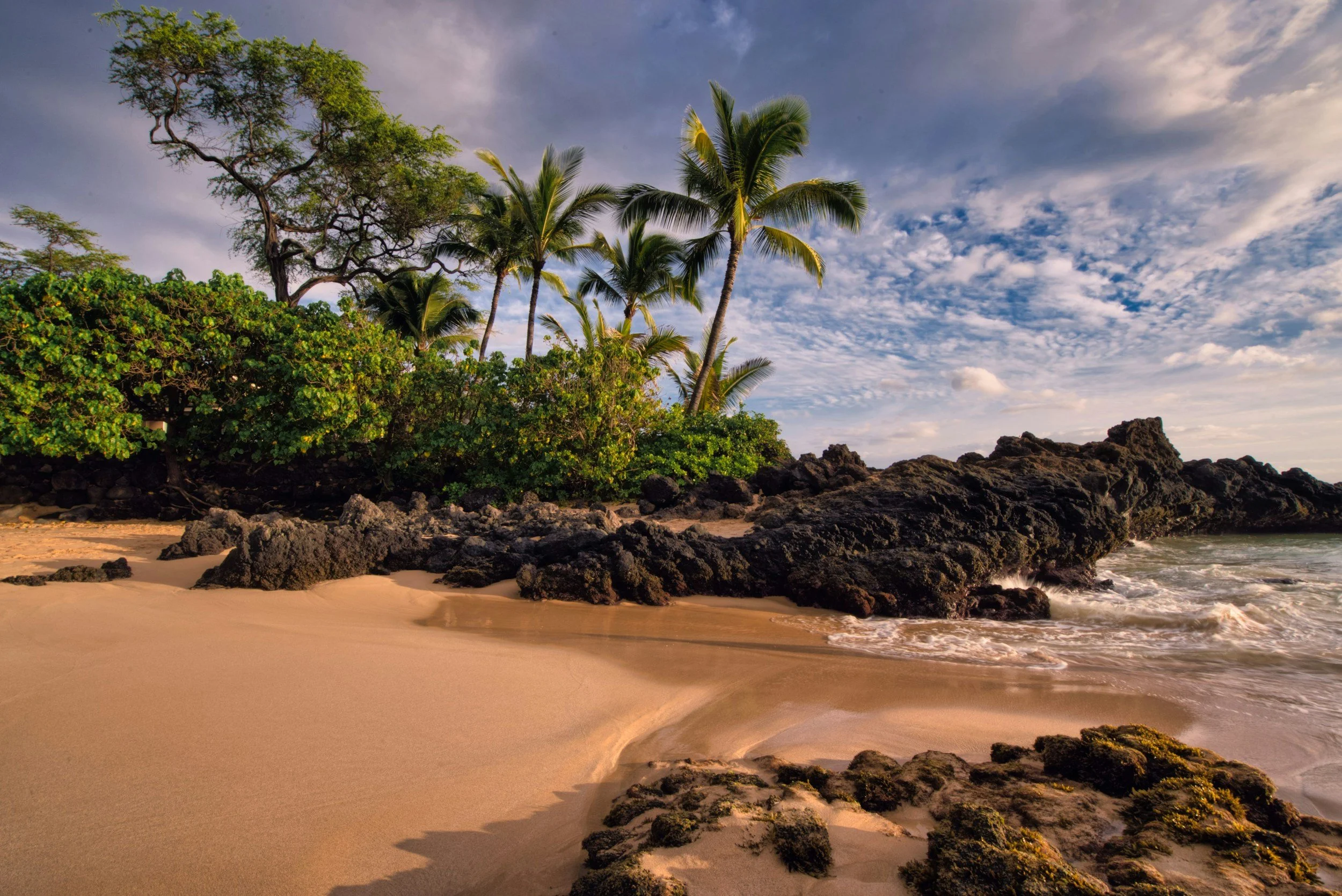
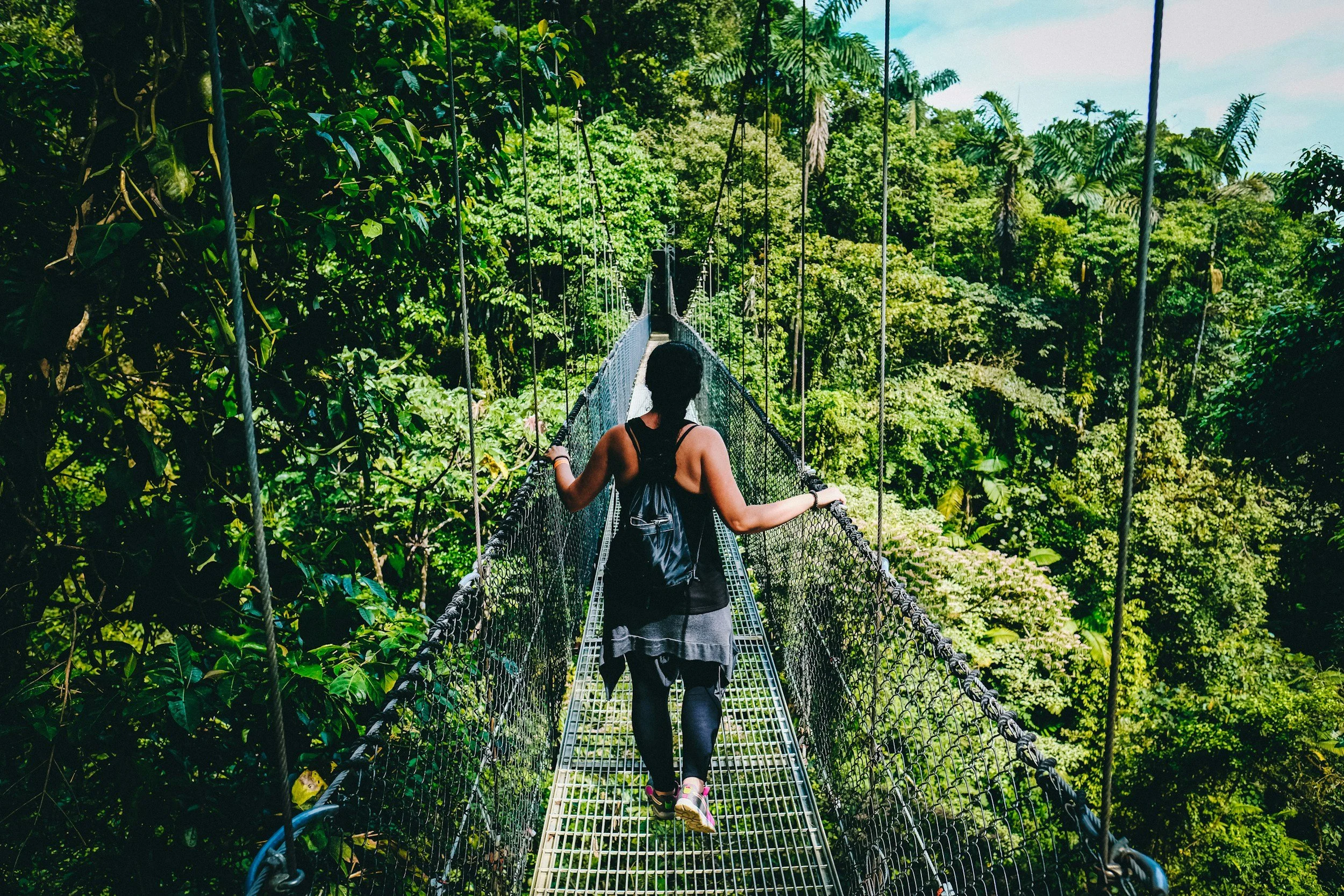
Worldschooling family travel means using the world itself as the classroom, where a Roman amphitheater becomes the history lesson and counting pesos at a Oaxaca market becomes the math worksheet.For us, this has been learning about Mayan Culture at Chichen Itza, walking the historic 9th century pilgrimage on the Camino de Santiago, surfing in Maui, learning about biodiversity in Costa Rica, and lerning about natural conservation in New Zealand.
It's a lifestyle that wraps education around long-term or full-time travel, and it's growing fast among families who want their kids to learn by doing instead of by sitting still.
Here's what we want to do differently in this guide. Most articles on worldschooling family travel are written by families documenting their own adventure, which is lovely but light on the practical scaffolding you need to decide. We're going to cover the dreamy parts, sure, but also the unglamorous ones: pulling your kid from school legally, funding the lifestyle, keeping kids socially connected, and answering the question that keeps parents up at night, which is whether their child will fall behind. By the end, you'll have a real framework for deciding if this is for your family, and a clear set of next steps if it is.
What Is Worldschooling?
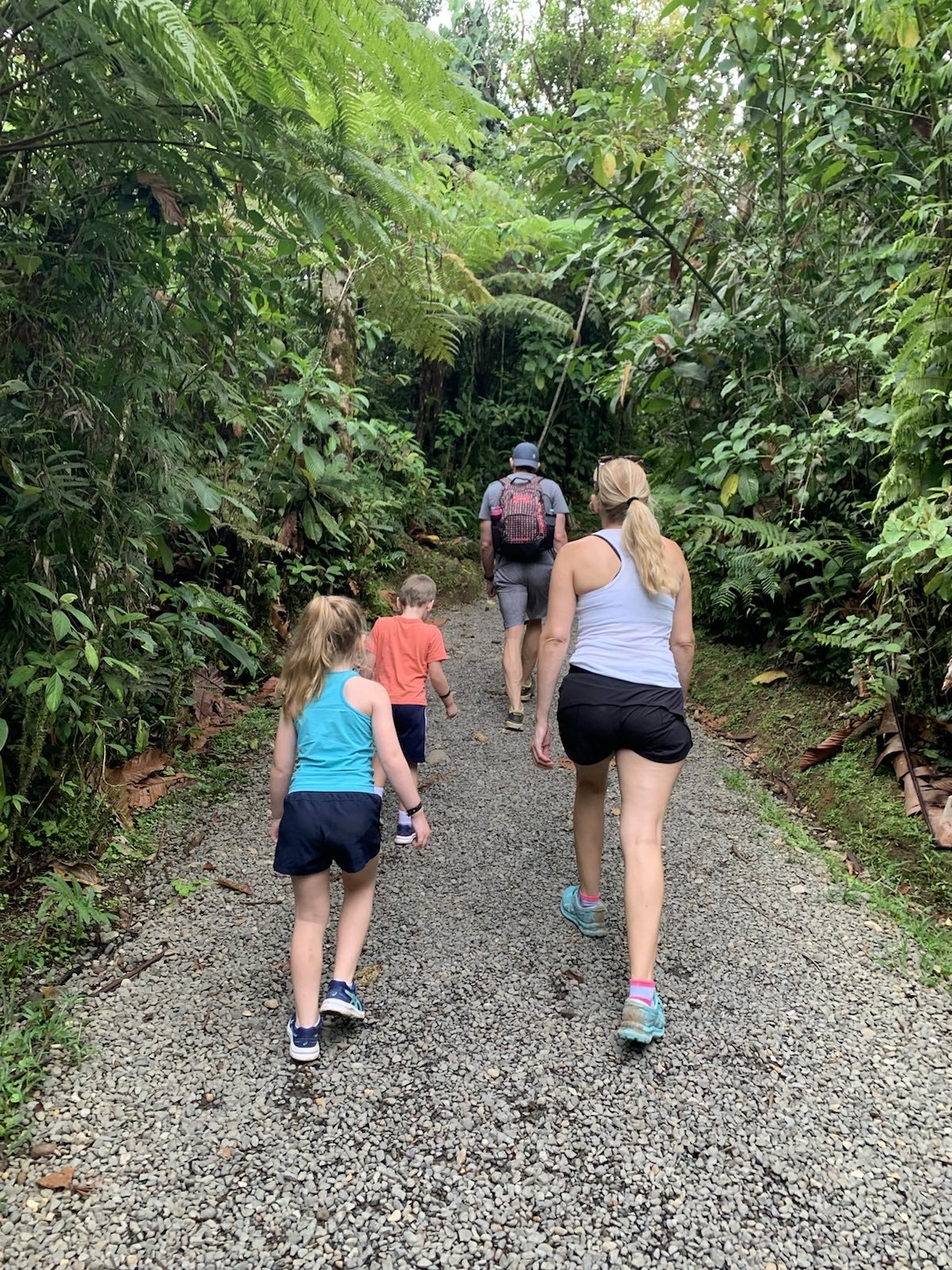
Worldschooling is an approach to education where travel and real-world experiences replace or supplement a traditional classroom. Instead of learning about volcanoes from a textbook, a worldschooled kid might hike one in Costa Rica. Instead of memorizing currency conversions, they hand over euros at a Paris boulangerie and work out their change.
The term covers a wide spectrum. Some families are full-time nomads, moving every few weeks or months. Others base themselves in one country for a year and take learning trips from there. Some follow a structured curriculum that happens to be portable; others lean fully into unschooling, where the child's curiosity drives what gets learned and when. What ties them together is the belief that the world is a richer teacher than any single building, and that childhood is the right time to tap into it.
The philosophy isn't new. Families have educated children on the road for generations. What's changed is access: remote work, cheap flights, online learning platforms, and a global community of families doing the same thing. That infrastructure is what turned worldschooling from an eccentric experiment into a real option for ordinary families.
How Worldschooling Differs from Homeschooling and Traditional Travel
People mix these up constantly, so let's draw clean lines.
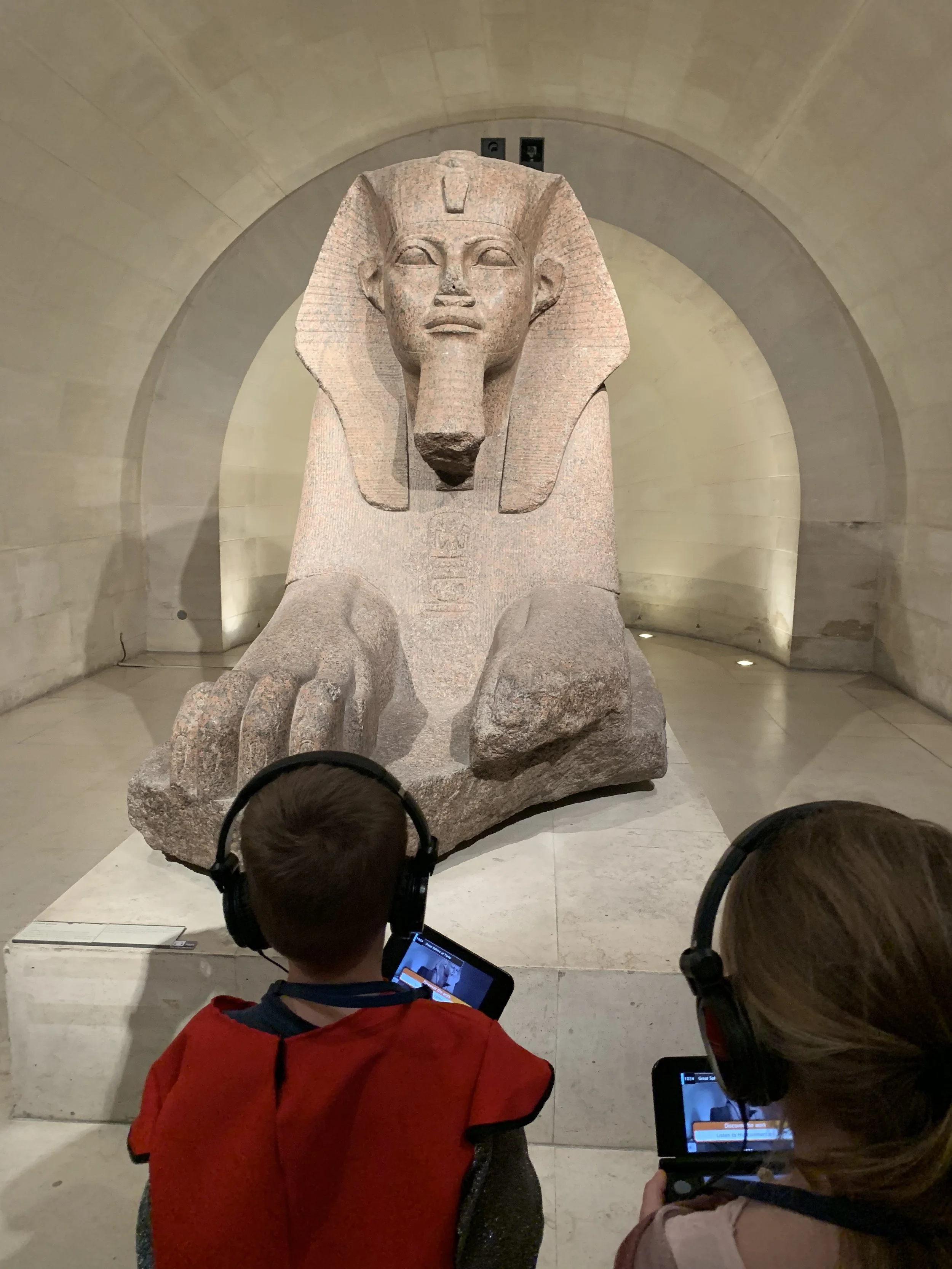
Homeschooling happens at home, usually following a defined curriculum, with the parent acting as the primary teacher. The location is fixed; the structure is the point. Worldschooling shares the legal foundation of homeschooling in most places (you're educating your child outside the public system), but the location keeps changing and the curriculum often bends to wherever you are. A homeschooling family might spend a unit studying ancient Rome from the kitchen table. A worldschooling family might study it standing in the Colosseum.
Traditional family travel, even the adventurous kind, is a break from regular life. You take a two-week trip, the kids miss a little school, you come home, life resumes. Worldschooling makes the travel the regular life. The learning isn't paused for the trip; the trip is the learning. That distinction matters because it changes how you plan, how you budget, and how deeply your kids engage with each place. We've written before about the mindset shift behind slow travel, and worldschooling sits right at the heart of it: you stay longer, you go deeper, and learning has room to happen naturally.
One more nuance. You can worldschool without being a full-time nomad. A family that takes three month-long educational trips a year while keeping a home base is still worldschooling. The label is about intention, not about whether you've sold the house.
Who Can Worldschool?
Almost any family can worldschool, but it suits some better than others, and pretending otherwise helps no one.
Age is the question we hear most. There's no perfect starting point. Toddlers and preschoolers are wonderfully portable and won't fall behind on anything that matters at that age, though they also won't remember much. The elementary years are a sweet spot: kids are old enough to engage with a place, young enough that the academics are flexible. The teen years get trickier, mostly because of high school credits, transcripts, and friendships that feel like everything at that age. Trickier doesn't mean impossible, but it needs more planning.
Family type matters less than people assume. Single parents worldschool. Families with a child who has additional needs worldschool, often finding that a slower pace suits their kid better than a crowded classroom. Large families worldschool, though logistics scale with every kid. The real constraint isn't your family shape, it's two things: income that travels, and a tolerance for uncertainty. If both parents need to be physically present at fixed jobs, the model breaks. If constant change makes your household miserable, a slower base-camp version will serve you better than full-time movement.
You don't need to be a teacher to worldschool. You need to be curious, organized enough to keep the logistics from collapsing, and willing to learn alongside your kids.
That last point deserves emphasis. The fear that you're "not qualified" to educate your own child stops a lot of families before they start. But worldschooling parents aren't lecturing from the front of a room. They're facilitating, finding resources, asking good questions, and often handing the actual instruction to online platforms, local tutors, museum guides, and the place itself.
How Does Learning Happen?
This is the part that feels mysterious from the outside and obvious once you're in it. Learning on the road happens through a blend of structured tools and lived experience, and the mix is different for every family. We read a lot of books, watch documentaries, listen to audiobooks, and podcasts related to our destination.
The structured side
Plenty of worldschooling families use a formal curriculum, just a portable one. The market has matured a lot. You'll find full online schools that handle grading and record-keeping, subject-specific apps for math and reading, and complete boxed curricula you can carry as PDFs. Khan Academy is a free, household-name option that covers core subjects from early grades through high school. Duolingo turns the language of wherever you're standing into daily practice. For families who want accountability and a transcript, accredited online schools provide both, which becomes important in the teen years.
The structured tools matter because they take the academic pressure off the parent. You're not inventing a math sequence from scratch; the platform does that. Your job is to make sure the laptop opens for an hour and the lesson gets done before you head to the ruins.
The experiential side
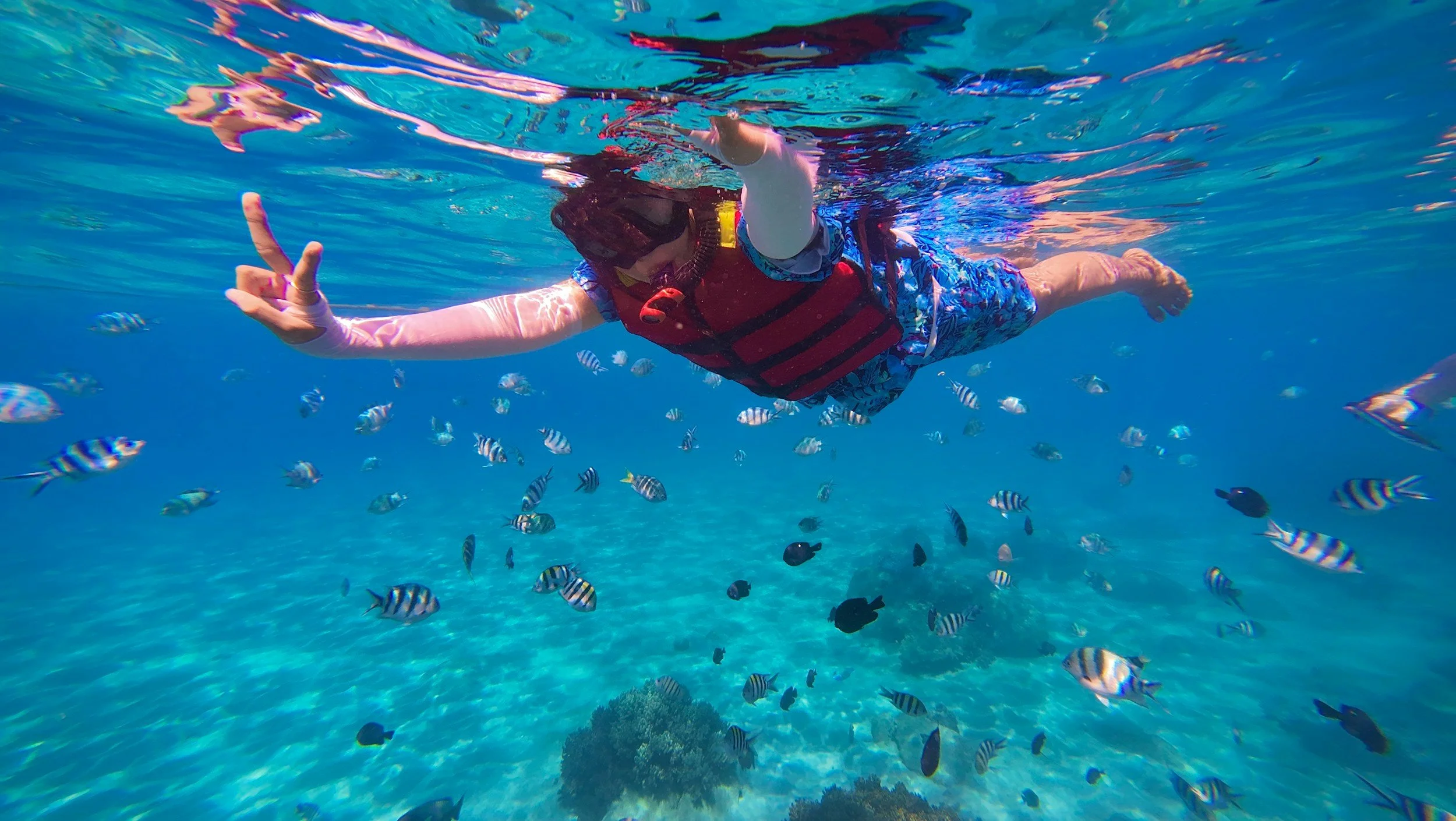
This is where worldschooling earns its name. A morning at a science museum in Barcelona, an afternoon snorkeling over a reef while talking about marine ecosystems, a conversation with a market vendor about how the local economy works. We've gathered a stack of hands-on learning activities families can use anywhere, because the experiential side benefits from a little structure too. Left entirely to chance, "learning through travel" can drift into just sightseeing.
The strongest approach blends both. Mornings for focused academics, afternoons for the world. Some weeks lean heavily structured (you're catching up on math), others lean fully experiential (you're at Machu Picchu, the textbook can wait). The flexibility is the feature. A printable world travel learning worksheet for kids can give younger children a tangible task that ties a place to a lesson, which is the kind of small structure that keeps experiential days from feeling aimless.
How to Start Worldschooling: A Step-by-Step Overview
Here's the path most families follow, roughly in order.
Take a test trip first. Before you sell anything, travel slowly for a few weeks with the kids and see how everyone handles it. A month abroad tells you more than a year of research.
Sort the legal side. Understand your home jurisdiction's rules for educating outside the public system, and file any required paperwork before you leave (more on this below).
Lock in your income. Worldschooling without a travel-friendly income source is a vacation with an end date. Have the funding model working before you commit.
Choose your style. Decide where you sit on the structured-to-unschooling spectrum and pick your core curriculum or platforms accordingly.
Pick a soft launch destination. Start somewhere affordable, safe, and well-trodden by other worldschooling families rather than somewhere wildly off-grid.
Set a rhythm. Establish a loose daily and weekly routine for school time, downtime, and exploration. Kids thrive on rhythm even when the scenery changes.
Find your people. Plug into the worldschooling community online before you go, and into hubs once you're moving.
Notice that the actual education plan comes fourth, not first. The logistics and the money are what make or break the lifestyle, and they're where families underprepare.
Legal Considerations and School Withdrawal
This is the section almost no worldschooling guide bothers to write, and it's the one that causes the most panic. Education law is local, so we can't give you a single answer, but we can give you the questions to ask.
First, your home jurisdiction. In most of the United States, education is governed at the state level, and withdrawing a child to homeschool (which is the legal umbrella worldschooling usually falls under) requires filing a letter of intent or registering as a homeschool with your district or state. Some states ask for nothing; others require curriculum plans, attendance records, or periodic assessments. Check your specific state's rules before you pull your child, not after. In the UK, parents have the right to home educate, but you must formally deregister your child from their school in writing. Canada and Australia vary by province and state. The pattern everywhere: there is a process, it's usually not hard, but skipping it can cause real headaches.
Second, the countries you'll visit. Most countries don't care how visiting children are educated as long as you're there on a tourist visa for a limited stay. The compulsory education laws of, say, Portugal apply to residents, not to a family passing through for two months. The legal question abroad is usually about your right to be there, not your child's schooling. That means visas, not curricula.
Which brings us to the third piece: long-term stays. If you want to settle somewhere for six months or a year, tourist visas often won't stretch that far, and you'll need to look at longer-stay options, digital nomad visas, or residency. We've pulled together a starting point on residency options for families who travel long-term, because this is where the bureaucracy gets real and worth thinking through early.
A practical tip: keep records as you go. A simple portfolio of what your kids learned, where, and roughly when protects you if you ever re-enroll them in a traditional school or need to satisfy your home jurisdiction. It also makes the whole thing feel more legitimate to skeptical grandparents.
How to Afford Worldschooling
Money is the quiet reason most families never start, so let's be direct about it. Worldschooling isn't necessarily more expensive than staying home. In many places it's cheaper, because you trade a mortgage, two car payments, and daycare for slow travel in countries where the cost of living is a fraction of what you'd pay in a major Western city.
The income side splits into a few common models:
Remote employment. One or both parents keep a salaried job that allows full remote work. The most stable path, and increasingly common.
Freelancing and consulting. Writers, designers, developers, marketers, coaches. Location-independent by nature, though income can be lumpy.
Online business. A shop, a course, a content site, a service business that runs from a laptop. Slower to build, but it can keep paying while you sleep.
Savings runway. Some families fund a defined sprint (a year, two years) from savings rather than ongoing income. Clear about the end date, which removes a lot of pressure.
On the spending side, the single biggest lever is pace. Fast travel is expensive because flights and short-stay accommodation cost the most. Stay in one apartment for a month and the nightly rate drops, you cook your own meals, and you stop paying the tourist premium. Slow travel is cheaper travel, which happens to also be better for learning. The two goals point the same direction.
Run a real comparison before you go. Add up what your current life costs per month (housing, utilities, cars, childcare, activities, food, the lot), then price out a slow month in a destination you're considering. Plenty of families are surprised to find the road costs the same or less, with adventure included.
Best Destinations for Worldschooling Family Travel
The best worldschooling destinations balance affordability, safety, things to learn, and an existing community of traveling families. Here's how a few popular regions stack up.
| Region | Cost | Why families choose it | Watch for |
|---|---|---|---|
| Central America (Costa Rica, Mexico) | Low to moderate | Biodiversity, Spanish immersion, friendly to families, strong expat communities | Rainy seasons, varying infrastructure outside hubs |
| Southeast Asia (Thailand, Vietnam, Malaysia) | Very low | Affordable long stays, rich culture and history, established nomad scene | Long flights, heat, visa runs for longer stays |
| Southern Europe (Spain, Portugal, Italy) | Moderate | Walkable cities, deep history, excellent food, good healthcare | Schengen 90-day limit without a longer-stay visa |
| Oceania (New Zealand, Australia) | High | English-speaking, stunning nature, very safe, easy logistics with kids | Expensive, far from everything, distances are huge |
Costa Rica deserves a special mention for first-timers. It's safe, the natural classroom is extraordinary (rainforests, volcanoes, sea turtles, sloths), and it's set up for families. Our Costa Rica family itinerary works as a soft-launch template you can stretch into a slower stay, and there's a free 10-day Costa Rica itinerary download if you'd rather start from a ready-made plan. Spain is another strong pick for European-bound families thanks to its pace of life and how warmly welcoming it is to kids; we've made the case for why Spain works so well as a family base.
For families craving big nature and an English-speaking reset, New Zealand is hard to beat, though the budget runs higher. Our New Zealand itinerary guide lays out a route that suits a longer, slower stay.
Worldschooling Hubs and Communities
The thing nobody tells you upfront: you don't have to do this alone, and you shouldn't. Worldschooling hubs are towns and cities where traveling families cluster, either permanently or seasonally, creating ready-made communities for kids and parents alike.
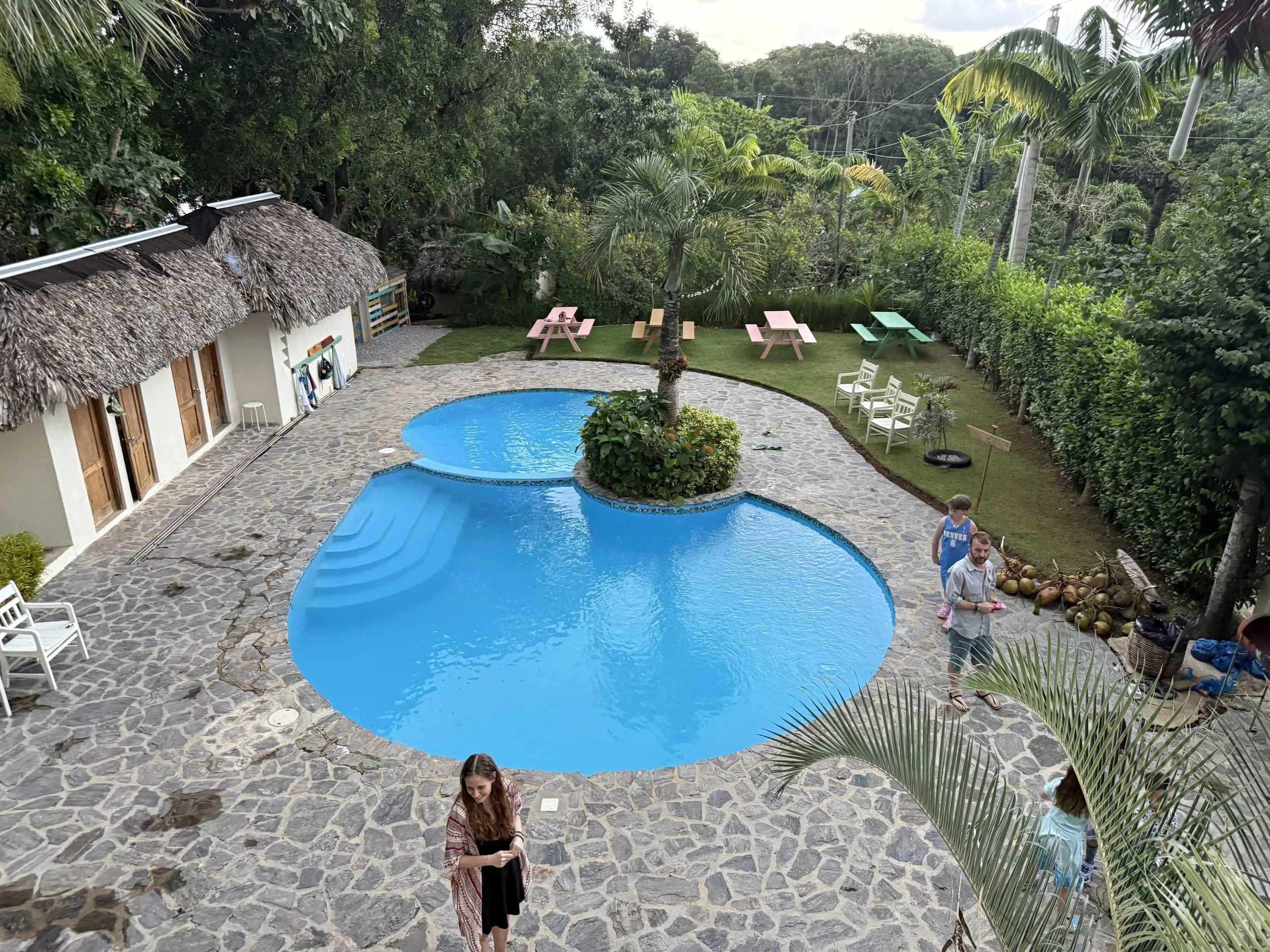
You'll find informal hubs in places that are affordable, friendly, and well-connected: parts of Mexico, certain Southeast Asian towns, pockets of Portugal and Spain. Families gather, kids play together, parents swap curriculum tips and visa intel. Some organizers run scheduled gatherings and group trips specifically for worldschooling families, where dozens of families converge in one place for a few weeks of shared activities and built-in friendships. We spent 6-weeks doing the changemaker program at the Hive in Dominican Republic. Highly recommend!
To find your people:
Join worldschooling groups on social platforms before you leave. They're active, generous with advice, and the fastest way to learn where families are gathering this season.
Look for organized worldschooling gatherings, retreats, and group trips that match your dates and destinations.
Once you're moving, ask other families where the community is. Hubs shift with the seasons, and word of mouth is more current than any article.
Use coworking and coliving spaces in nomad-friendly cities. Many run family-oriented events.
The community piece solves the concern we hear right after "will they fall behind?", which is "will they have friends?" The answer, when you plug into hubs, is yes, and often a more diverse set of friends than they'd have at home.
Benefits and Challenges of Worldschooling
A balanced look, because the glossy version helps nobody make a real decision.
The benefits are substantial. Kids develop a comfort with the unfamiliar that's hard to teach any other way. They pick up languages through immersion, see how differently the world organizes itself, and learn history and geography by standing in it. Family bonds tend to deepen when you're navigating life together full-time. And the learning sticks, because it's attached to real experiences rather than abstract pages.
The challenges are just as real. Constant movement is tiring, and kids need stability more than adults sometimes admit, which is why slower travel and base camps work better than relentless hopping. Maintaining friendships takes active effort. Parents carry a heavier load, juggling education, logistics, income, and the emotional weather of the whole family. Healthcare in unfamiliar places requires planning. And the social and emotional side deserves clear-eyed attention: some kids thrive on the variety, others crave the routine and familiar faces of a regular school. Watch your own children closely and adjust. A kid who's withdrawing or anxious is telling you something the brochure won't.
Worldschooling isn't a fix for an unhappy family or a struggling kid. It amplifies whatever your family already is. Strong, flexible families tend to flourish on the road. Families already under strain often find the strain travels with them.
Will My Kids Fall Behind? Addressing Academic Concerns
The short answer: not if you stay intentional about it. The longer answer is worth understanding, because this fear drives more hesitation than any visa or budget question.
"Behind" is measured against a particular school system's particular sequence. A worldschooled kid might be ahead in geography, history, and applied math, and a few months behind on, say, the exact spelling list their grade-level peers covered in October. Over a year, those gaps close easily, because the core skills (reading, writing, numeracy, reasoning) get plenty of practice in a learning-rich life. The structured tools we mentioned earlier exist precisely to keep the academic spine intact while the rest happens through experience.
The real risk isn't worldschooling itself, it's drifting. A family that calls everything "a learning experience" but never opens a book or tracks progress can let core skills slide. The fix is simple: keep a portable curriculum or platform for the foundational subjects, maintain a loose weekly rhythm, and keep that portfolio of what's been learned. Do that, and re-entry into a traditional school later is smooth. Skip it, and you create the exact problem you feared.
For teens facing high school transcripts and university admissions, lean toward an accredited online school that issues grades and a recognized diploma. Universities increasingly welcome the worldschooled applicant; an unusual education paired with documented academics and a compelling story tends to stand out, not hold a kid back.
Tips From Families Who've Done It
Patterns we see again and again in families who make worldschooling family travel work over the long haul:
Go slow. The single most common regret is moving too fast at the start. Stay longer in fewer places. Everyone's happier and the learning is better.
Protect a routine. Even a loose one. School time in the morning, a daily anchor, a weekly reset. Kids settle when the scenery is the only thing that changes.
Let the kids steer sometimes. When a child picks the next museum, the next hike, the next topic, engagement soars. Their curiosity is the best curriculum you have.
Capture it. A travel journal turns a blur of places into something kids remember and can show others; our family travel journal is built for exactly this kind of on-the-road record-keeping. It doubles as a writing exercise and a portfolio.
Build the trip-planning muscle. The families who avoid burnout are the ones who plan well. Our family travel planning checklist covers the pre-trip groundwork that keeps the whole thing from unraveling once you're moving.
Lower the bar on "perfect." Some days the lesson is just getting everyone fed and to the next town. That's fine. Worldschooling is a long game, not a daily performance.
Is Worldschooling Right for Your Family?
Run through these candidly:
Do you have, or can you build, an income that travels with you?
Does your family handle change reasonably well, or does it cause real distress?
Are you willing to do the legal and administrative legwork before you leave?
Can you commit to keeping the academic basics intact, even when the road is exciting?
Are your kids the type who'd thrive on variety, or the type who'd struggle without familiar routines and faces?
Mostly yeses, with a plan for the noes? You're a strong candidate for worldschooling family travel. A few hard noes (a job that can't move, a child who truly needs the stability of a fixed school, no income runway)? A lighter version (educational trips around a home base, a single gap year, summers abroad) may serve you far better than going all-in. There's no failure in choosing the version that fits.
Frequently Asked Questions
Do parents need to be certified teachers to worldschool?
No. Worldschooling family travel doesn't require teaching credentials anywhere we know of. Most worldschooling parents act as facilitators, using online platforms, accredited programs, local tutors, and the destinations themselves to do the actual instruction. Your job is to keep the logistics running and stay curious alongside your kids, not to lecture them.
What age is best to start worldschooling?
The elementary years are the easiest entry point, since kids are old enough to engage with places and young enough that academics stay flexible. That said, families start at every age. Younger kids travel easily but remember little; teens need more planning around transcripts and friendships. There's no wrong age, only different things to plan for.
How is worldschooling different from homeschooling?
Homeschooling happens in a fixed location with a defined curriculum and the parent as teacher. Worldschooling uses the same legal foundation but moves the classroom around the world, bending the curriculum to wherever you are and leaning heavily on lived experience. Homeschooling studies Rome from the kitchen; worldschooling studies it from the Colosseum.
Is worldschooling more expensive than staying home?
Often it's the same or less. When you trade a mortgage, cars, and childcare for slow travel in affordable countries, the monthly numbers can be surprisingly close. The biggest cost lever is pace: staying longer in fewer places drops accommodation rates and cuts the tourist premium, which makes the lifestyle both cheaper and better for learning.
How do I withdraw my child from school legally?
It depends on your jurisdiction. In most US states you file a letter of intent or register as a homeschool; in the UK you formally deregister in writing; Canada and Australia vary by province and state. Sort this before you pull your child, not after, and keep a simple portfolio of their learning as you travel in case you re-enroll later.
Worldschooling family travel rewards the families who plan the boring parts as carefully as they dream the exciting ones. If the idea has its hooks in you, don't sell the house this week. Take one slow month somewhere safe and affordable, keep a light routine, see how your kids respond, and notice what it does to your family. That single trip will tell you more than any guide can, and it leaves the door open either way. Whenever you're ready to map out that first stretch, our deeper look at education through travel is a good next read.
Happy Adventuring!
Jen