Worldschooling vs. Homeschooling: What Traveling Families Actually Choose
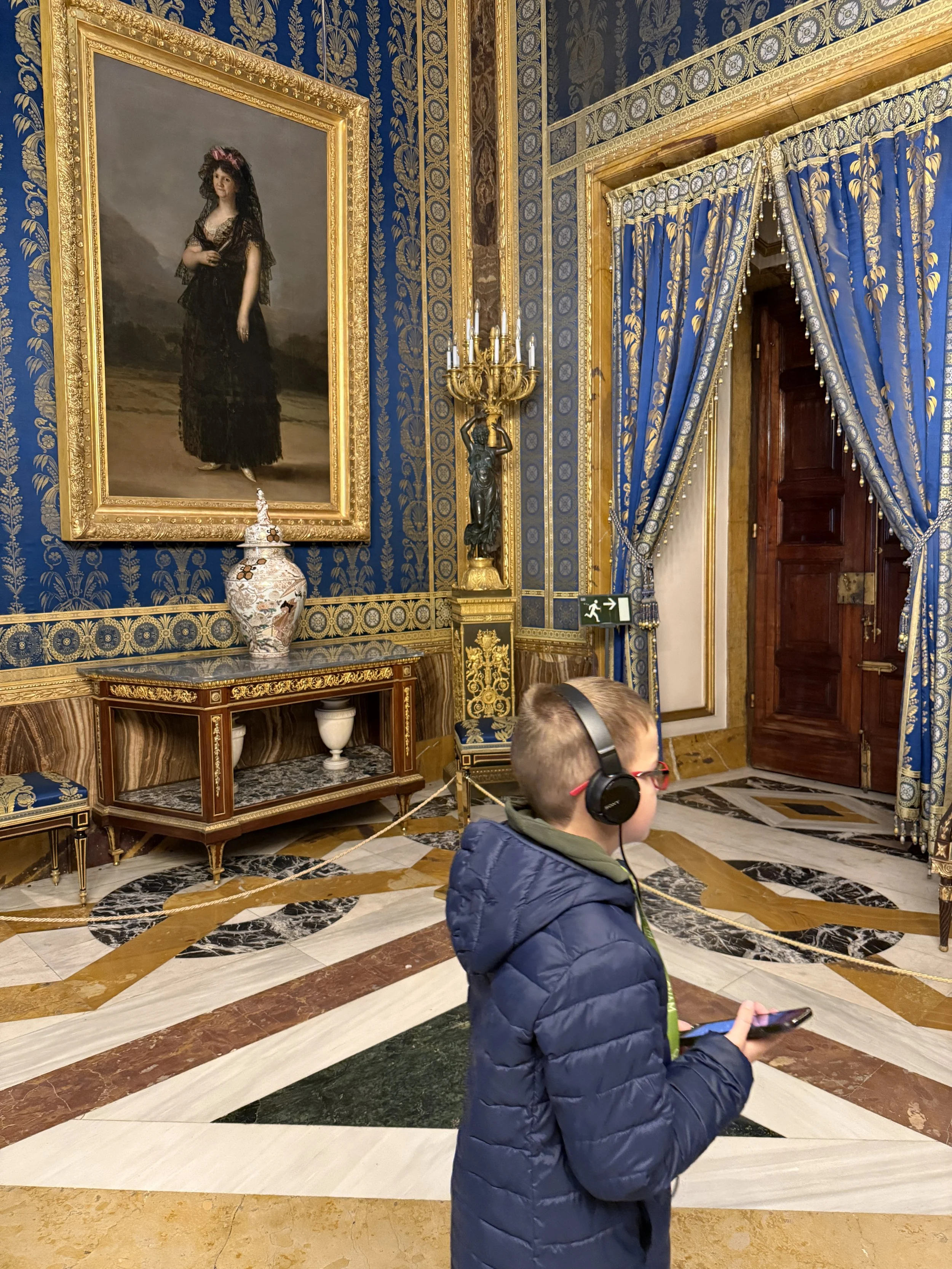
Tour of the Royal Palace in Madrid, Spain
Affiliate Links may be used on this website, at no additional cost to you. This means I may earn a commission if you make a qualifying purchase. There is no charge to you. Thanks for supporting this website!
Worldschooling vs homeschooling is the central decision for traveling families, and it splits along one clear line: homeschooling carries a defined curriculum from place to place, while worldschooling treats the destination itself as the lesson plan. Most traveling families end up blending the two, keeping math and reading structured while letting the trip teach history, science, geography, and language. Pure worldschooling produces deep knowledge in whatever the trip naturally touches and thinner coverage in everything it skips, which is why dropping structured math entirely is a move almost no experienced traveling family makes. Legally, worldschooling is not a separate category in most places, so families register and report as homeschoolers regardless of how experience-driven their days are. The strongest setup for most families keeps a light core program running and lets the country carry the rest.
The fork in the road for traveling families usually comes down to one question: do the lessons happen at a table or out in the world? That's the heart of the worldschooling vs homeschooling decision, and it trips up more parents than the legal paperwork ever does. Both let you skip the classroom. Both put you in charge. But they pull your days in different directions, and picking the wrong one for your family can make a year on the road feel either magical or like you're constantly behind.
Here's the short version before we get into it: traditional homeschooling brings a structured curriculum with you wherever you go, while worldschooling treats the trip itself as the curriculum. Most traveling families we talk to end up doing some blend of the two. The real question isn't which is better in the abstract, it's which one fits how your kids learn and how you want to spend your travel days.
Let's compare them head to head across the things that matter most.
Worldschooling vs Homeschooling: What Each Approach Means
Traditional homeschooling means you're delivering a defined academic program, often grade-by-grade, that mirrors what a child would cover in school. Math at this level, reading at that level, a science scope and sequence, the works. You might buy a boxed curriculum, pull together your own from different sources, or enroll in an online school that sends assignments. The location can change, but the structure stays put. A homeschooling family on a beach in Tamarindo still cracks open the same math workbook they'd use at their kitchen table back home.
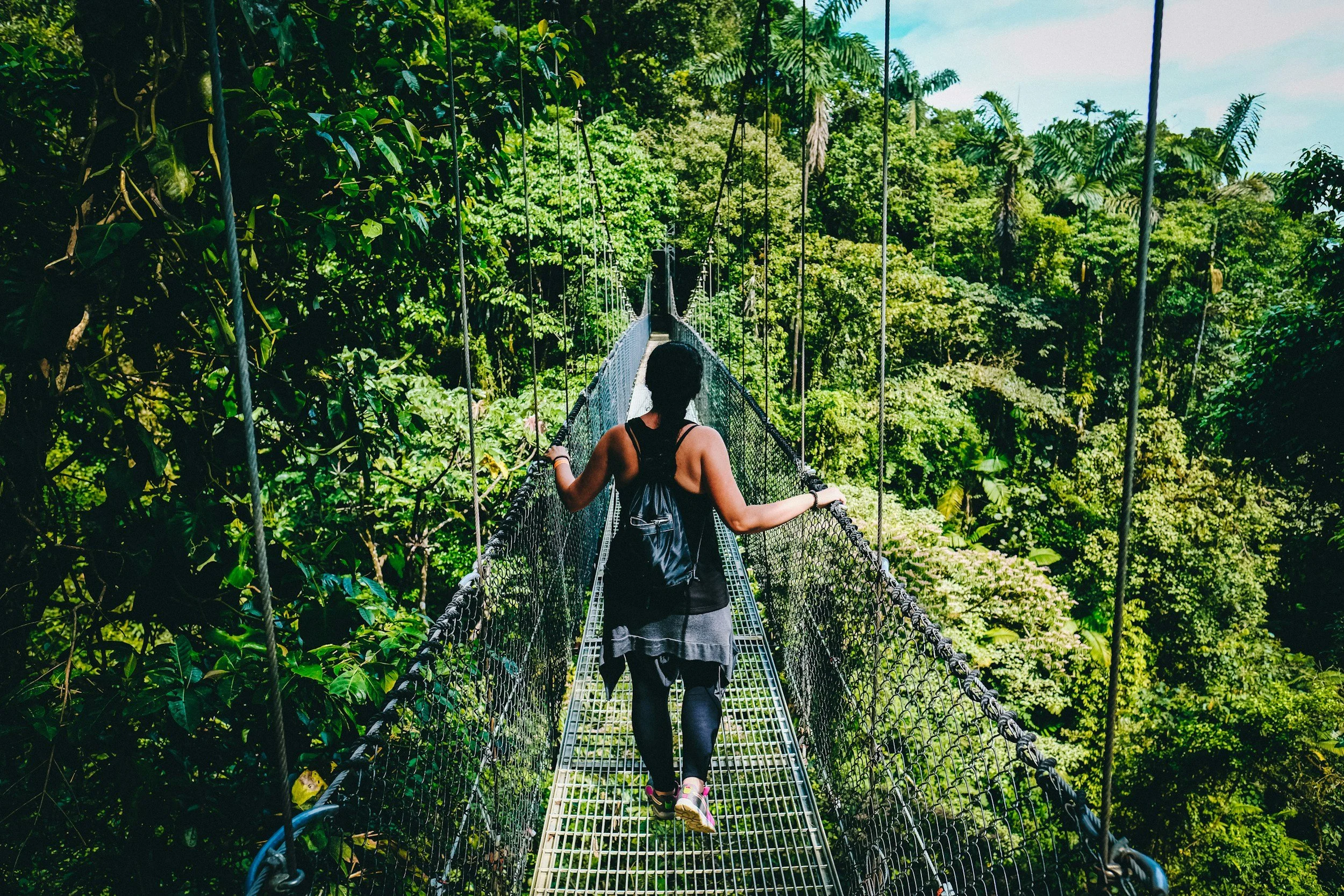
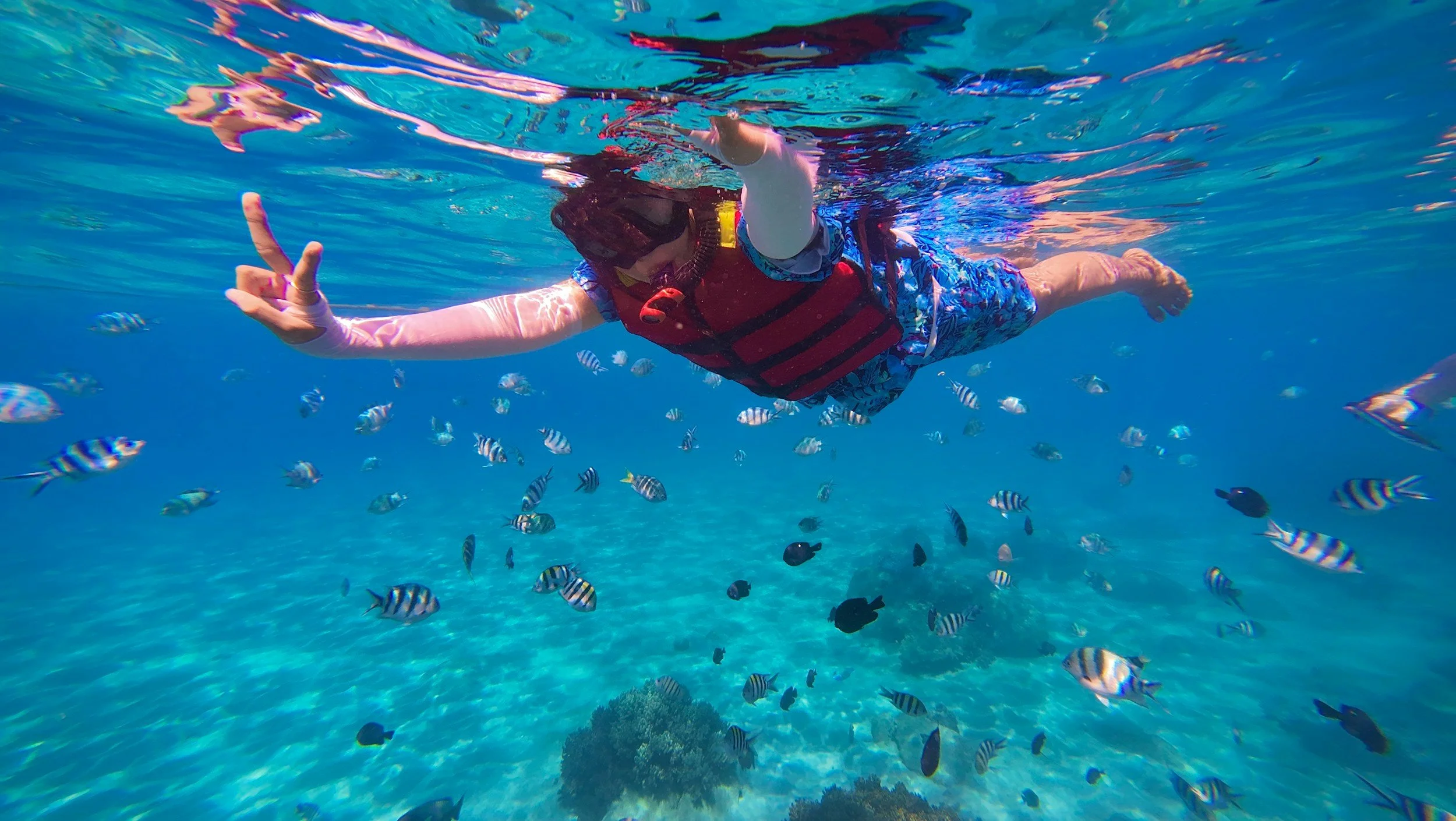
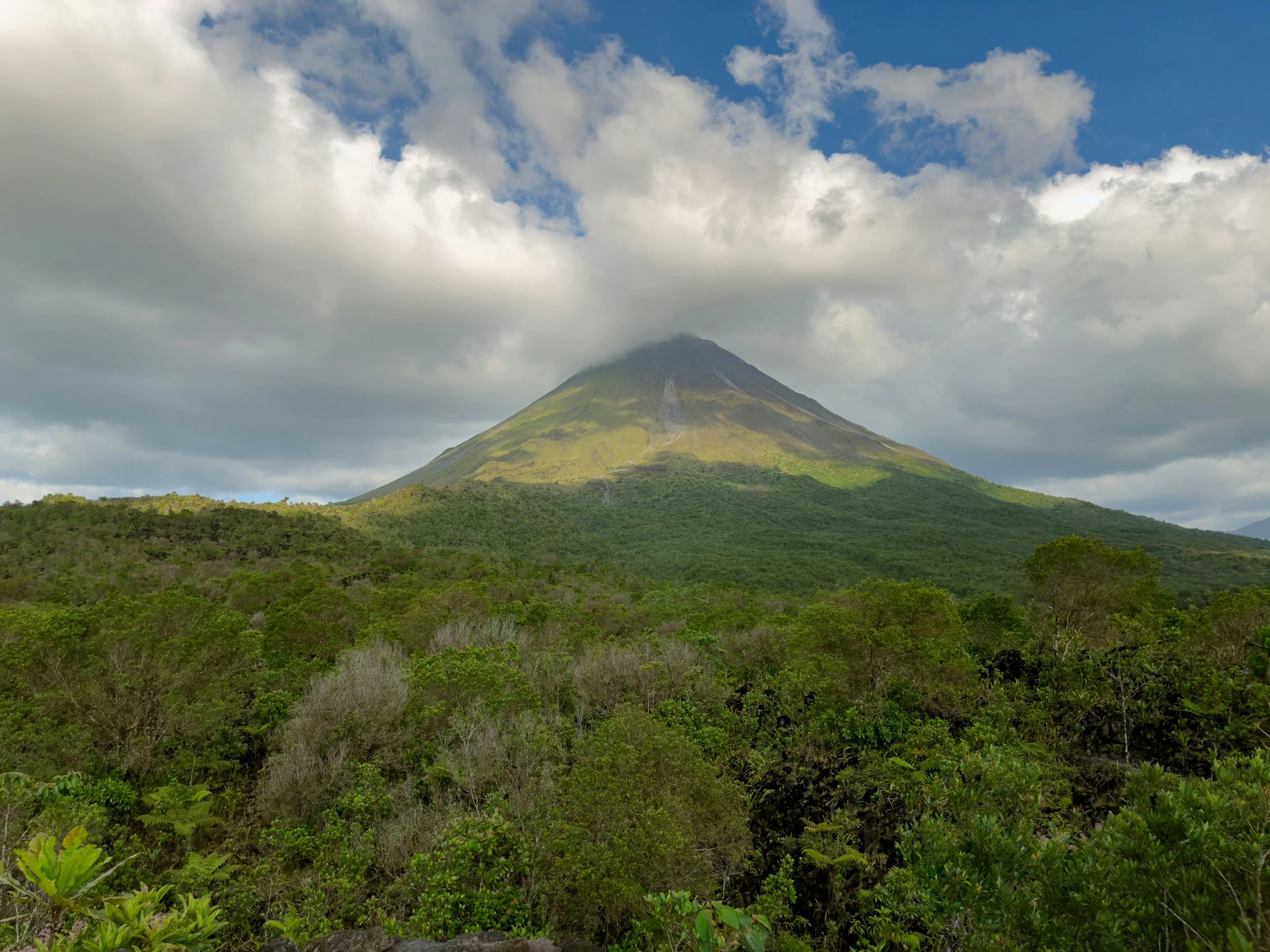
Worldschooling flips that. The destination becomes the textbook. A tide pool teaches marine biology, a market in Mérida teaches currency and Spanish, a hike through a cloud forest teaches ecosystems you couldn't fake with a poster. We dug into the philosophy and the day-to-day reality of it in our deeper look at how families turn the world into a classroom, but the core idea is simple: learning follows the trip rather than the trip pausing for learning.
The line between them blurs fast in practice. Plenty of worldschoolers keep a math program going because math doesn't teach itself at a museum. Plenty of homeschoolers let a great travel day hijack the lesson plan. Knowing where you naturally lean helps you build a year that doesn't fight you.
Structure and daily rhythm
This is where the two diverge most, and it's the difference that'll either calm your days or stress you out.
Homeschooling gives you a clear shape. There's a list, you work through it, you know what "done" looks like by Friday. For kids who like predictability (and parents who like measurable progress), that scaffolding is a gift. You can travel hard and still feel grounded because the schoolwork is a fixed point in a shifting week. The trade-off is rigidity. When a once-in-a-lifetime opportunity lands on a Tuesday morning, you're choosing between the lesson plan and the moment, and that tension wears on some families.
Worldschooling runs on opportunity instead of a schedule. The rhythm bends around what's in front of you that day. A volcano hike replaces the science unit. A long travel day becomes a reading and journaling day. It's flexible and alive, and kids who get bored with worksheets often light up. The catch is that flexibility without any anchor can drift into days where nothing much got learned and nobody noticed until a week passed. Worldschooling asks more of the parent, not less. You're the one connecting the museum visit to something that sticks.
If your family thrives on a loose, follow-the-energy approach to travel in general, the kind we describe in our piece on slowing down and staying in one place longer, worldschooling will feel natural. If you get anxious without a plan, the structure of homeschooling is your friend.
Cost and resources
Neither one is automatically cheaper, but they spend money differently.
Homeschooling has a more visible price tag up front. A full boxed curriculum, online enrollment, or a stack of grade-level workbooks costs real money, and you often buy fresh materials each year as kids move up. The upside is that everything is bundled and you're not reinventing the wheel. You pay for someone else's planning.
Worldschooling shifts the spending toward experiences. Your "curriculum budget" goes into entrance fees, guided tours, and the trip itself, which you were paying for anyway. The educational extras can be close to free if you're resourceful, library cards, public museums, and printable activities you bring along. We keep a free worksheet built around learning through world travel for exactly this, the kind of thing that turns a day of sightseeing into something a younger kid can hang lessons on. The hidden cost of worldschooling is your time. Curating learning from raw experience takes prep, and that prep is unpaid labor that lands on a parent.
| Resource | Homeschooling | Worldschooling |
|---|---|---|
| Up-front cost | Higher (curriculum, enrollment) | Lower in materials, folded into travel |
| Ongoing cost | New materials each grade | Tour and entrance fees |
| Parent time | Moderate (follow the plan) | High (build the lessons) |
| Reusability | Strong, structured records | Varies, depends on documentation |
Academic rigor and gaps
Parents lie awake over this one, so let's be direct.
Homeschooling makes it far easier to cover a full academic base and prove you did. Because you're following a scope and sequence, the gaps are obvious and fixable, you can see that you haven't hit fractions yet, so you teach fractions. If your kids might re-enter a traditional school, or you're in a region with strict reporting, that paper trail matters. The risk is the opposite problem: a child can complete every workbook page and retain very little, because finishing isn't the same as understanding.
Worldschooling tends to produce deep, sticky learning in the subjects the trip naturally touches and thinner coverage in the ones it doesn't. A kid who spent three months in Costa Rica might know more about rainforest ecology than most adults, and not much new math. That's the core weakness, and it's why the worldschoolers we know who are upfront about trade-offs almost never go pure. They keep math and core literacy on a steady drip and let everything else flow from the travel. The world is an incredible teacher of history, geography, language, science, and people skills. It's a terrible teacher of long division on a schedule.
The strongest setups we see aren't pure worldschooling or pure homeschooling. They keep math and reading structured and let the destination teach everything else.
Social life and connection
Both approaches require effort here, just aimed differently.
Homeschooling families on the road often lean on consistency, the same online classes, the same co-op meetups when they're home, the same friends they video-call. The relationships are durable but can feel distant when you're far away for long stretches. You're keeping a home-based social circle alive from afar.
Worldschooling throws kids into a constant stream of new people, local kids at a playground, other traveling families, the family running your guesthouse. The social learning is rich and real, and worldschooling kids tend to be remarkably easy with strangers and new situations. The trade-off is impermanence. Friendships form fast and end fast, and some kids find that exhausting rather than exciting. Worldschooling hubs and family travel communities exist specifically to give kids repeat contact with the same crew, which softens the goodbye-every-week problem.
Which should you choose
Start with how your kids learn and how you want your days to feel, not with which philosophy sounds more inspiring on Instagram.
Choose homeschooling if your kids like predictability, you need a clear record for re-entry or legal reporting, you travel intensely and want a stable anchor, or you'd rather follow a proven plan than build one nightly.
Choose worldschooling if your kids get restless with worksheets, you're traveling slowly enough to dig into places, you have the time and energy to turn experiences into lessons, and you care more about depth and curiosity than ticking every grade-level box.
Blend them (what most families land on) if you want the security of structured math and reading plus the magic of letting a country teach the rest. Keep a light core program running, then let the trip carry science, history, geography, and language.
Age matters too. With younger kids, worldschooling is almost frictionless, a five-year-old learns plenty just by being somewhere new and curious, and the printable, hands-on resources we lean on for travel days, like our scavenger hunt clue cards, do a lot of the heavy lifting. As kids hit the grades where math and writing build in strict sequence, most families add more structure whether they planned to or not.
One more note worth being clear about: the version you commit to in June rarely survives the year unchanged, and that's fine. Families shift toward more structure when re-entry looms and toward more freedom when a destination is too good to schedule around. The debate around worldschooling vs homeschooling often comes down to exactly that kind of flexibility — build whatever feels right now, and let it move with you. Before you lock anything in, it helps to get the trip itself organized; our system for planning travel with kids walks through the dates, budget, and logistics that make either approach workable on the road.
Frequently asked questions
Is worldschooling legal, or do I still have to homeschool officially?
In most places worldschooling isn't a separate legal category, so you register and report as a homeschooler even if your day-to-day looks nothing like a worksheet. That's the part of the worldschooling vs homeschooling question that surprises people: legally they're often the same thing, and worldschooling is the teaching style layered on top. Check your home jurisdiction's specific homeschool requirements, since reporting rules, testing, and record-keeping vary a lot.
Can my kids go back to regular school after worldschooling?
Yes, and many do without much trouble, especially in the earlier grades. Re-entry goes smoothest when you've kept math and reading on a steady, documented track, which is exactly why most worldschooling families never fully drop a structured core. If you know school is in the future, lean toward the blended approach and keep simple records of what you covered.
Do I need to be a teacher to make either one work?
No. You need to be organized and curious, not credentialed. Homeschooling asks you to follow and deliver a plan, worldschooling asks you to spot the lesson hiding in a market or a hike. Both get easier with good resources, and you can outsource the parts you dread, online math programs, local tutors, guided tours, so you're not teaching everything yourself.
How do I keep up academics on long travel days?
Travel days are perfect for the quiet, portable work, reading, journaling, audiobooks, and a single focused math session. We keep low-prep printables and a stack of family-friendly audiobooks ready precisely for the hours stuck in transit, so a long bus ride or flight still counts as a learning day instead of a lost one.
If you're still torn between worldschooling vs homeschooling, don't force the choice yet. Pick the destination first, give your family one slow trip, and watch how your kids respond to learning out in the open versus at a table. The right approach usually reveals itself once you're on the road, and you can always adjust as you go. Start small, start curious, and let the trip do some of the deciding for you.
Happy Adventuring!
Jen