9 Outdoor Adventures to Try with Kids Before They Turn 10
Affiliate Links may be used on this website, at no additional cost to you. This means I may earn a commission if you make a qualifying purchase. There is no charge to you. Thanks for supporting this website!
There's a window between roughly ages three and ten when kids will say yes to almost anything outdoors. They haven't learned to be self-conscious about getting muddy, they think a tide pool is the most exciting place on earth, and a short waterfall hike feels like a real expedition to them. The best outdoor adventures for kids tap into exactly that energy, while it lasts!
We picked these nine with two things in mind: each one has a low barrier to entry (no special skills, no big budget), and each one scales up as your child grows. A four-year-old and a nine-year-old can do every adventure on this list and both walk away thrilled. That's the test we used. Below, each pick comes with what makes it work for younger kids, how to push it as they get older, and the real catch to plan around.
1. Snorkeling in Calm, Shallow Water
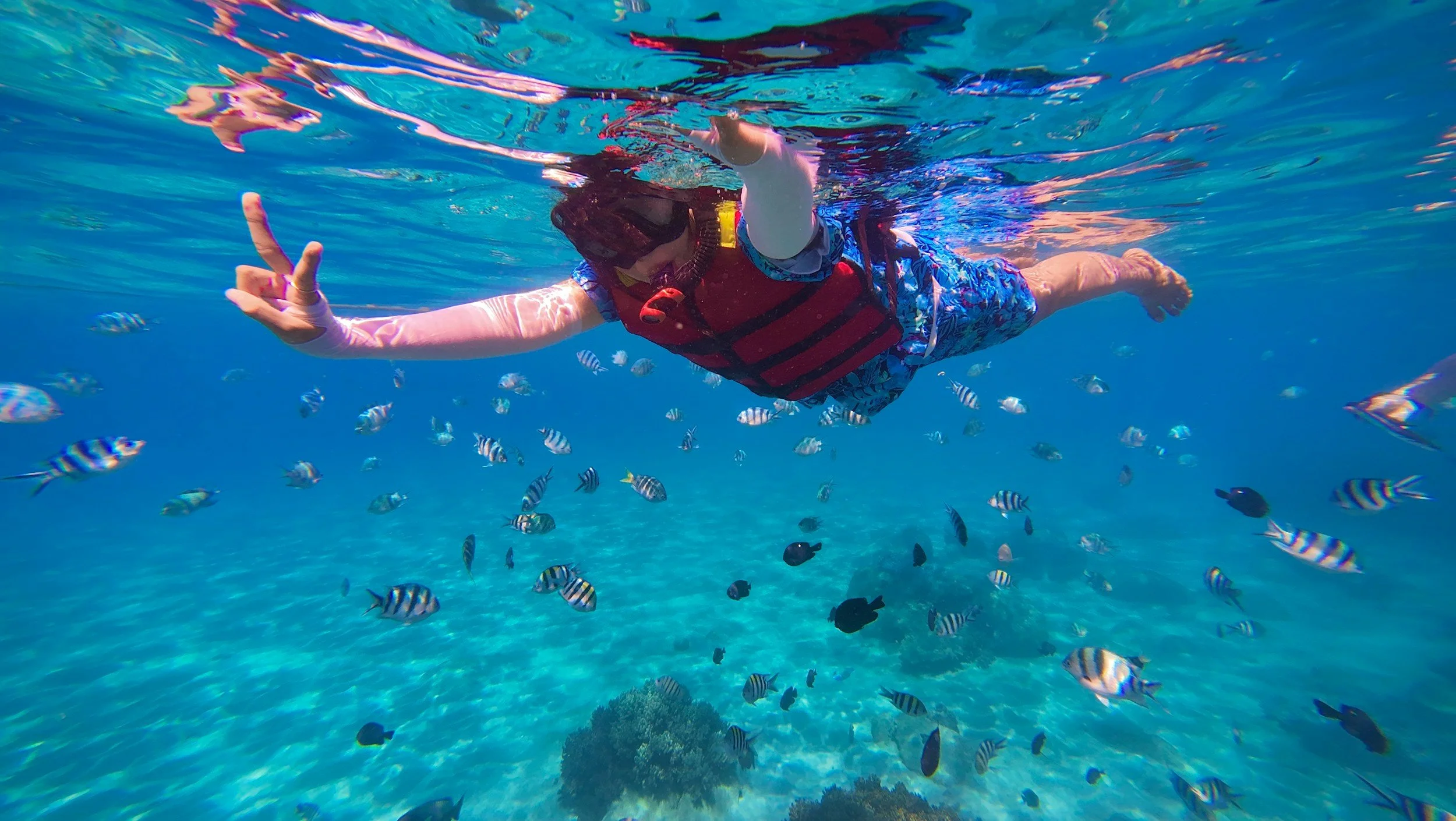
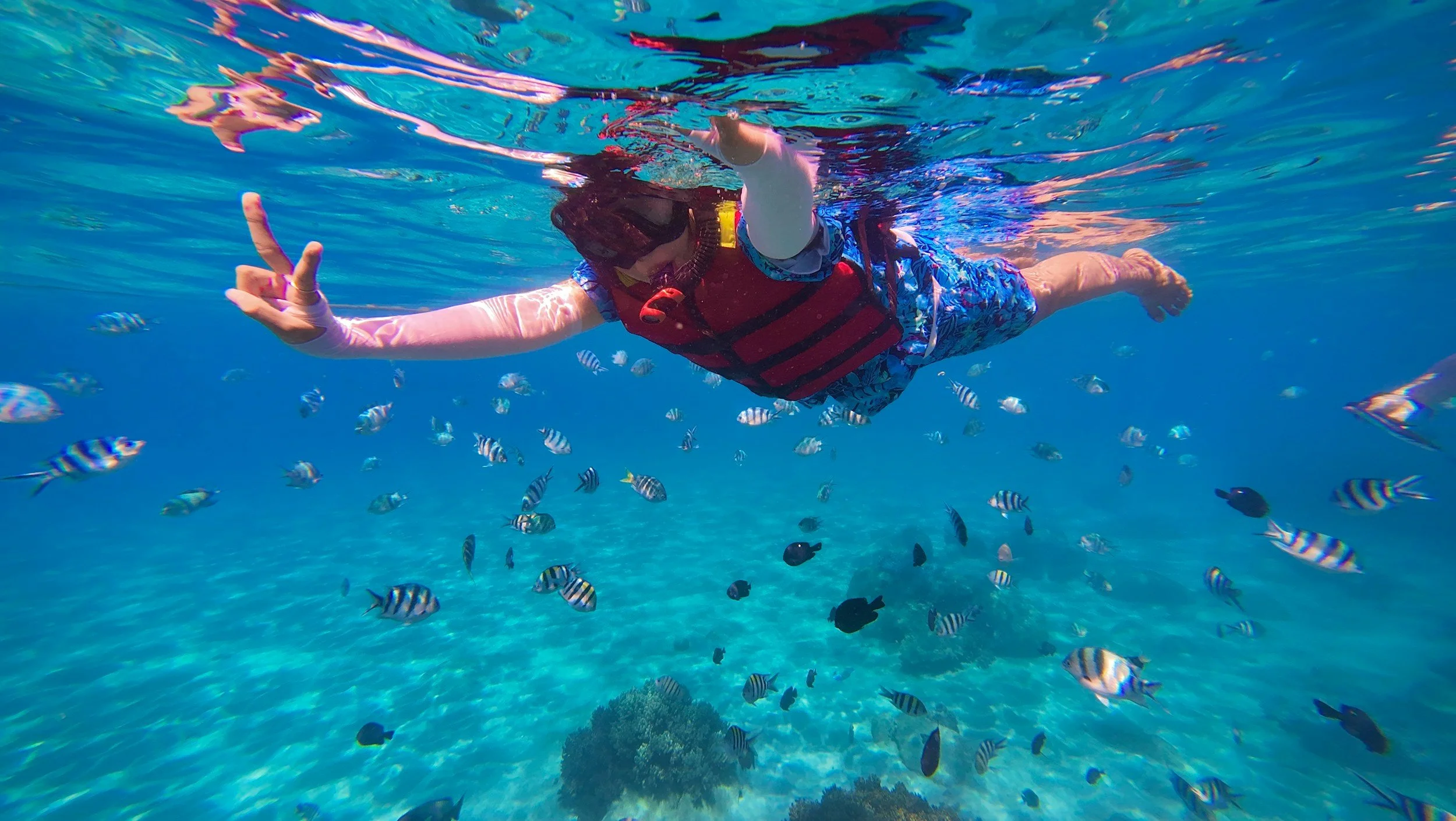
Putting your face in the water and watching a fish swim under you is pure magic for a young kid, and it's the gateway to a lifelong love of the ocean. Start somewhere protected and shallow, where they can stand up the second they feel nervous. A reef-sheltered cove or a bay with no current beats a dramatic open-water spot every time.
For little ones, a mask that seals properly is the whole game. A leaky mask turns a magical morning into a meltdown fast. Our walkthrough on what parents need to know before a first snorkel covers the gear and the calmest beaches to start with. As kids get stronger swimmers, they'll want to kick out a little farther and free-dive down a foot or two. Around age eight or nine, a guided boat trip to a spot like a sunken crater rim opens up a whole new world. The catch: cold water and chop end the day quickly, so go early when conditions are flat.
2. Hiking to a Waterfall
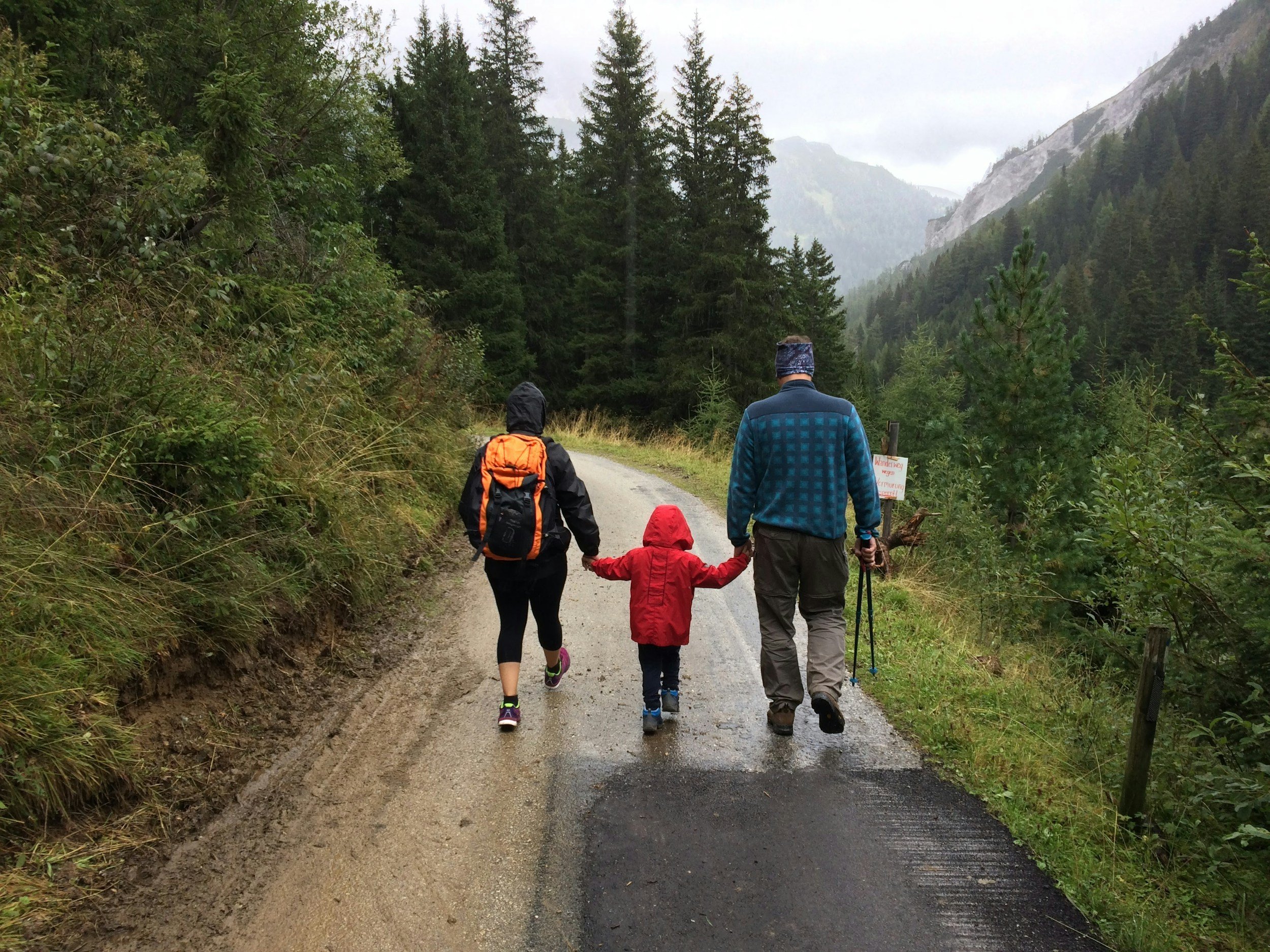
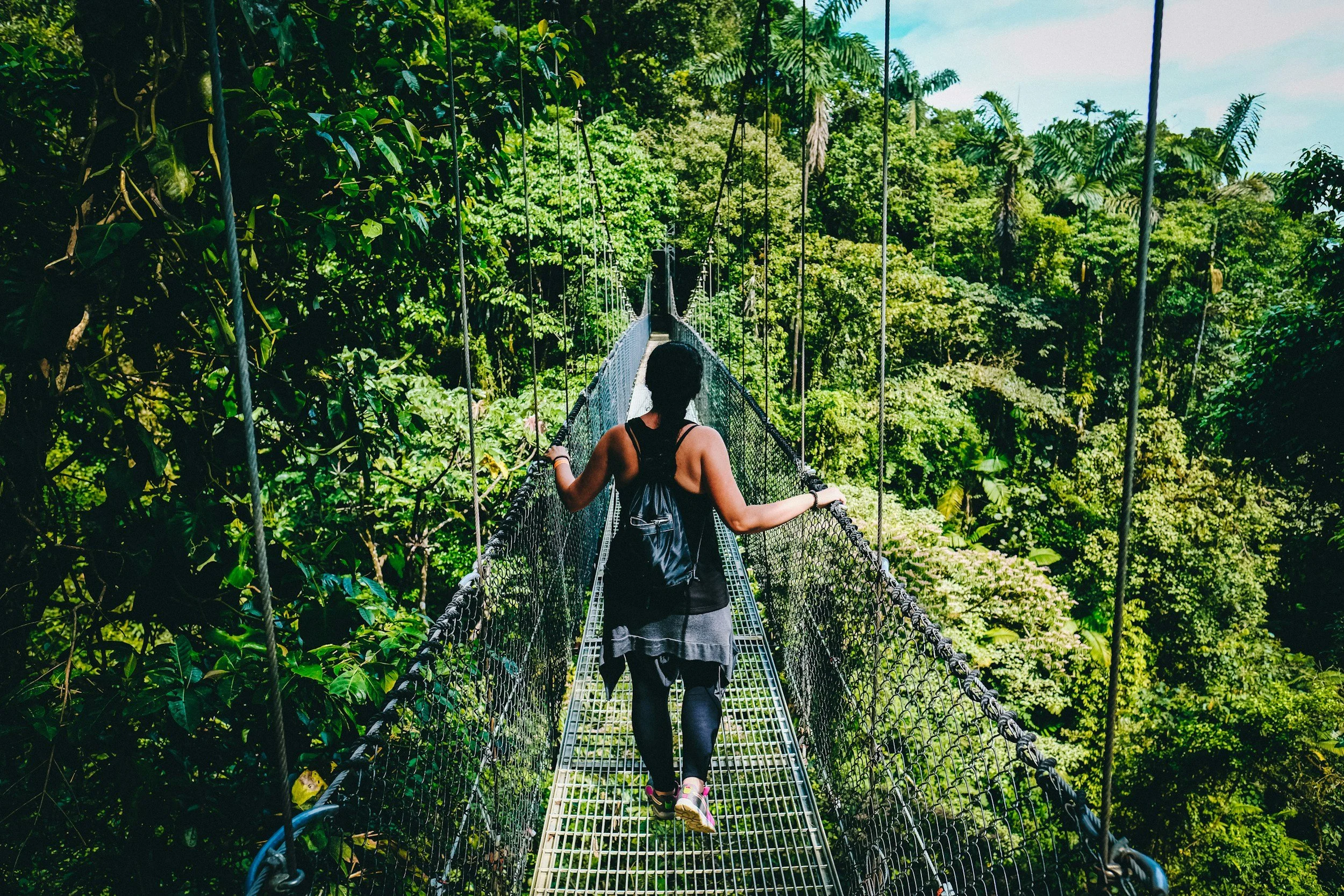
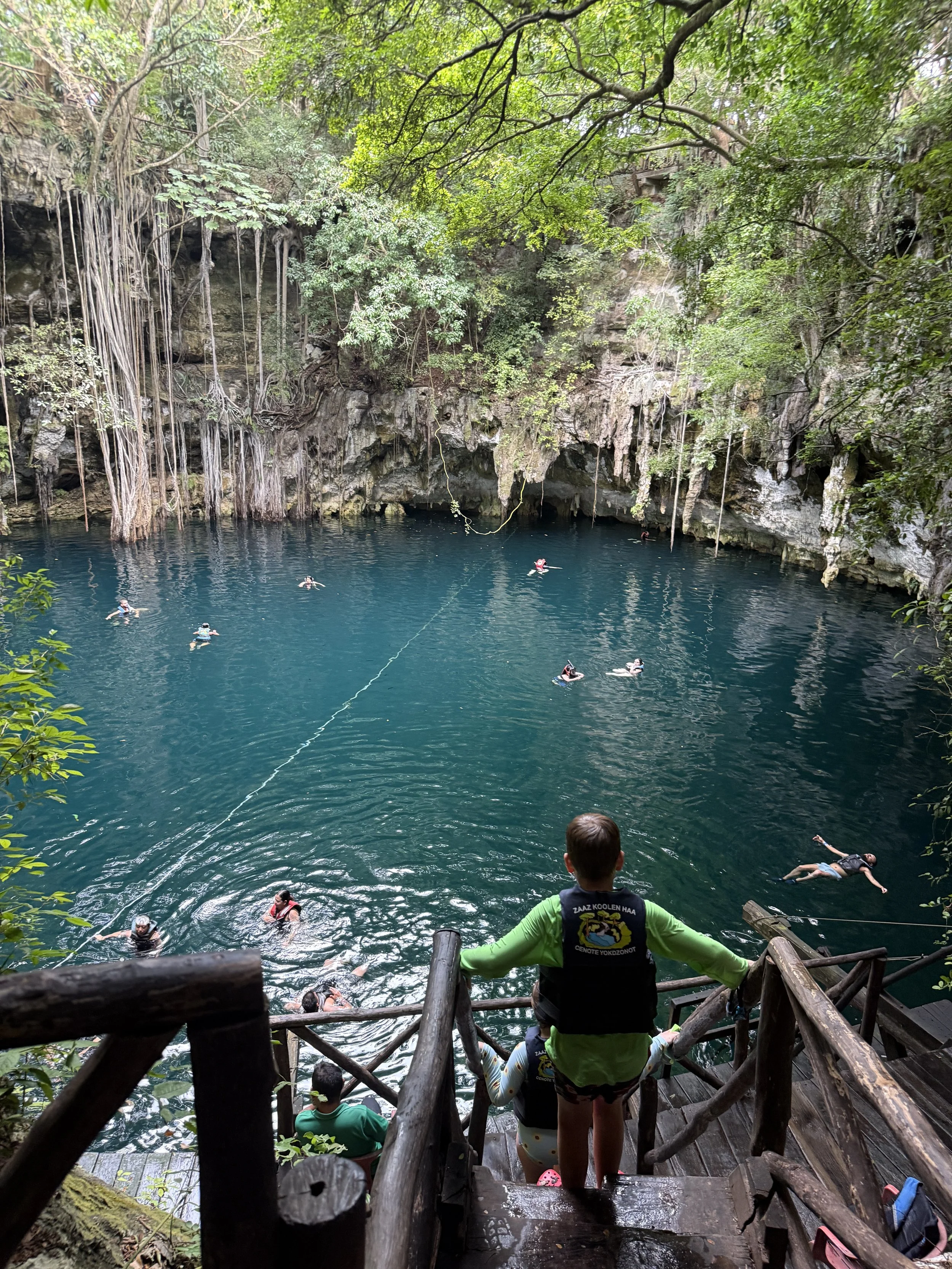
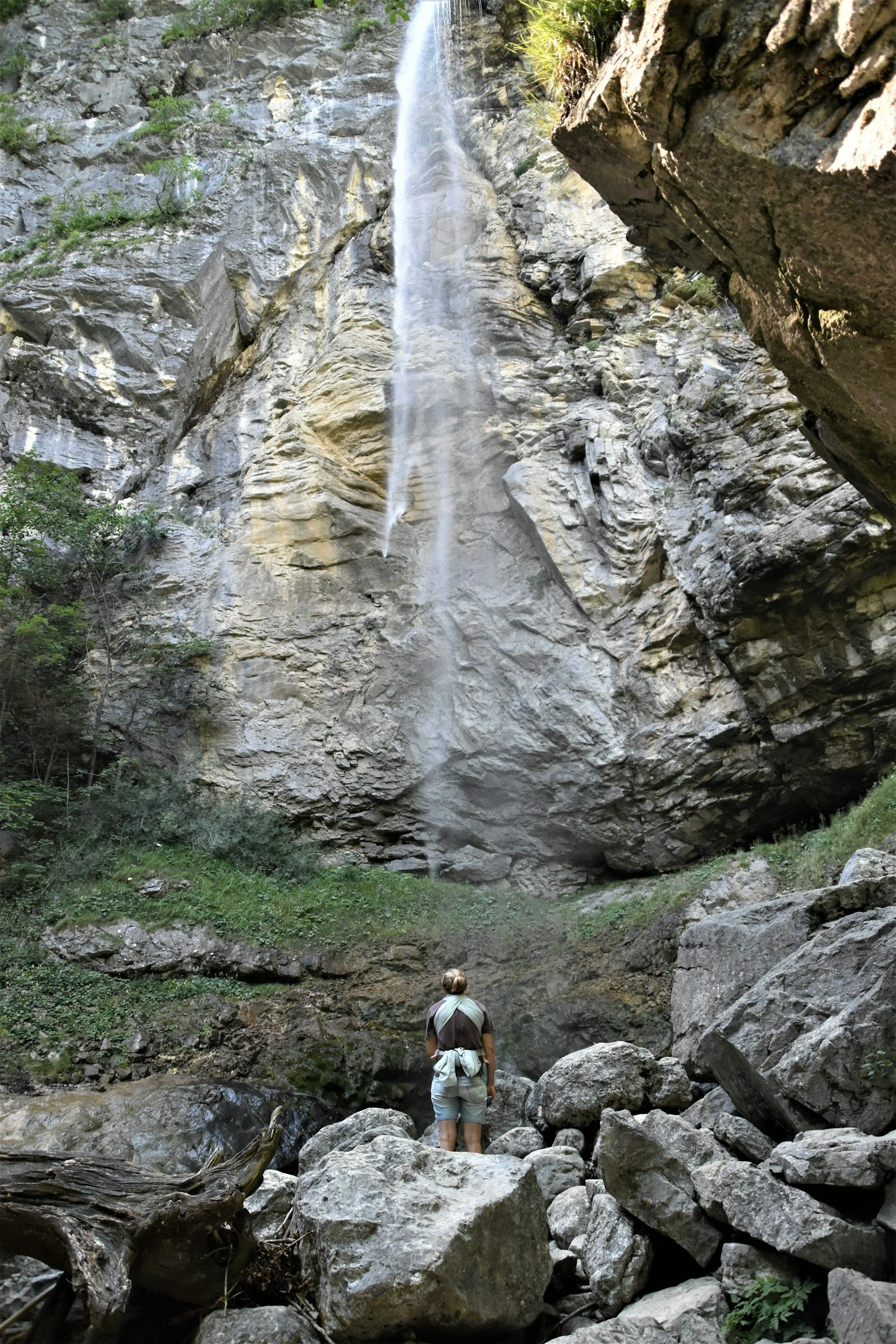
A waterfall gives a hike a destination, and that destination is what keeps small legs moving. Kids who would complain on a flat loop will happily march two miles if there's a roaring payoff at the end. Pick a trail under three miles round trip with a clear reward, and you've got a winner for almost any age.
Younger kids love a route with stuff to touch along the way, which is why a bamboo forest or a stream crossing works so well. The Pipiwai Trail through the bamboo forest is our all-time favorite for exactly that reason. As they get older, lengthen the trail or add elevation, and let them lead the navigation. Bring more water and snacks than you think you need, and pack a dry shirt for after the splash zone. Muddy, slick rock near the falls is the main hazard, so good grippy shoes matter more than anything fancy.
3. Family Camping
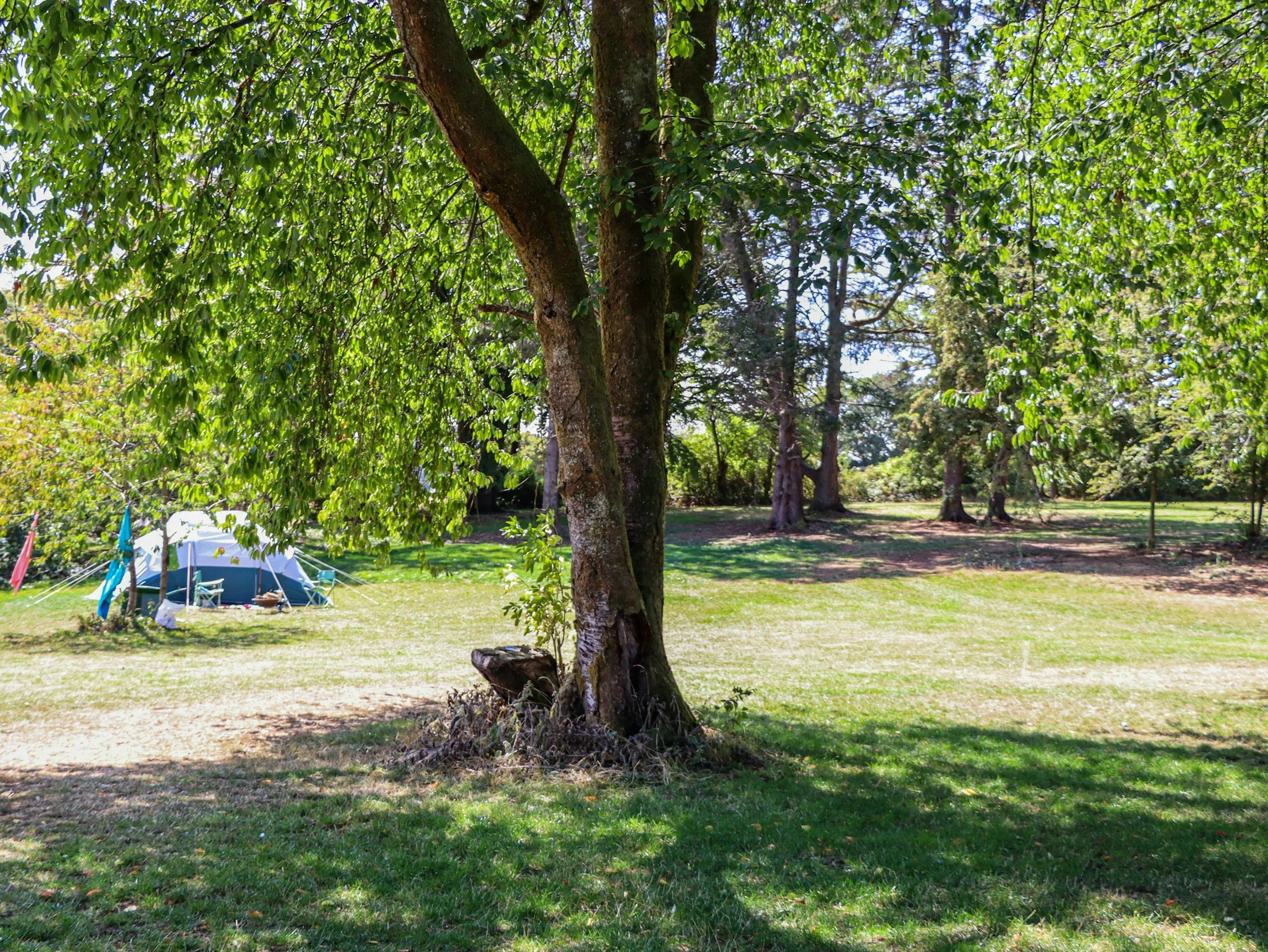
Sleeping in a tent rewires how kids see the outdoors. Suddenly the campfire, the dark, the morning chill, and the camp breakfast all become part of the adventure instead of just background. A first camp doesn't need to be remote, either. A drive-up site with bathrooms nearby takes most of the stress out of it.
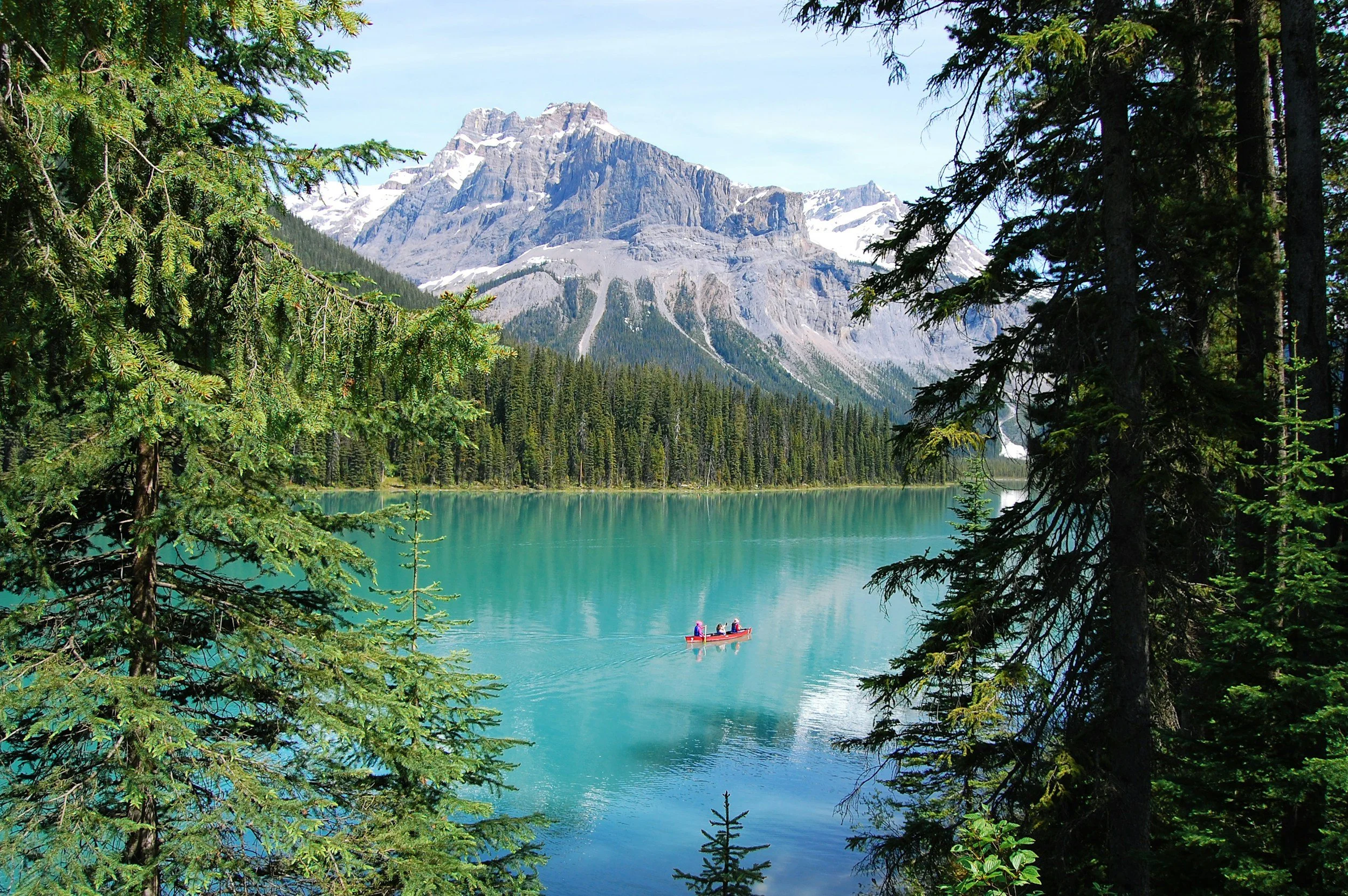
For a first trip with little ones, keep it to one or two nights and stay close to home so you can bail if it goes sideways. Give them a real job: gathering kindling, blowing up sleeping pads, manning the flashlight. As kids grow, they can pitch the tent themselves and plan a camp meal. The thing that sinks most family camping trips isn't weather, it's forgetting something basic, so we lean on our family camping checklist every single time. Cold nights are the real wildcard with kids, so over-pack the warm layers.
4. Learning to Surf
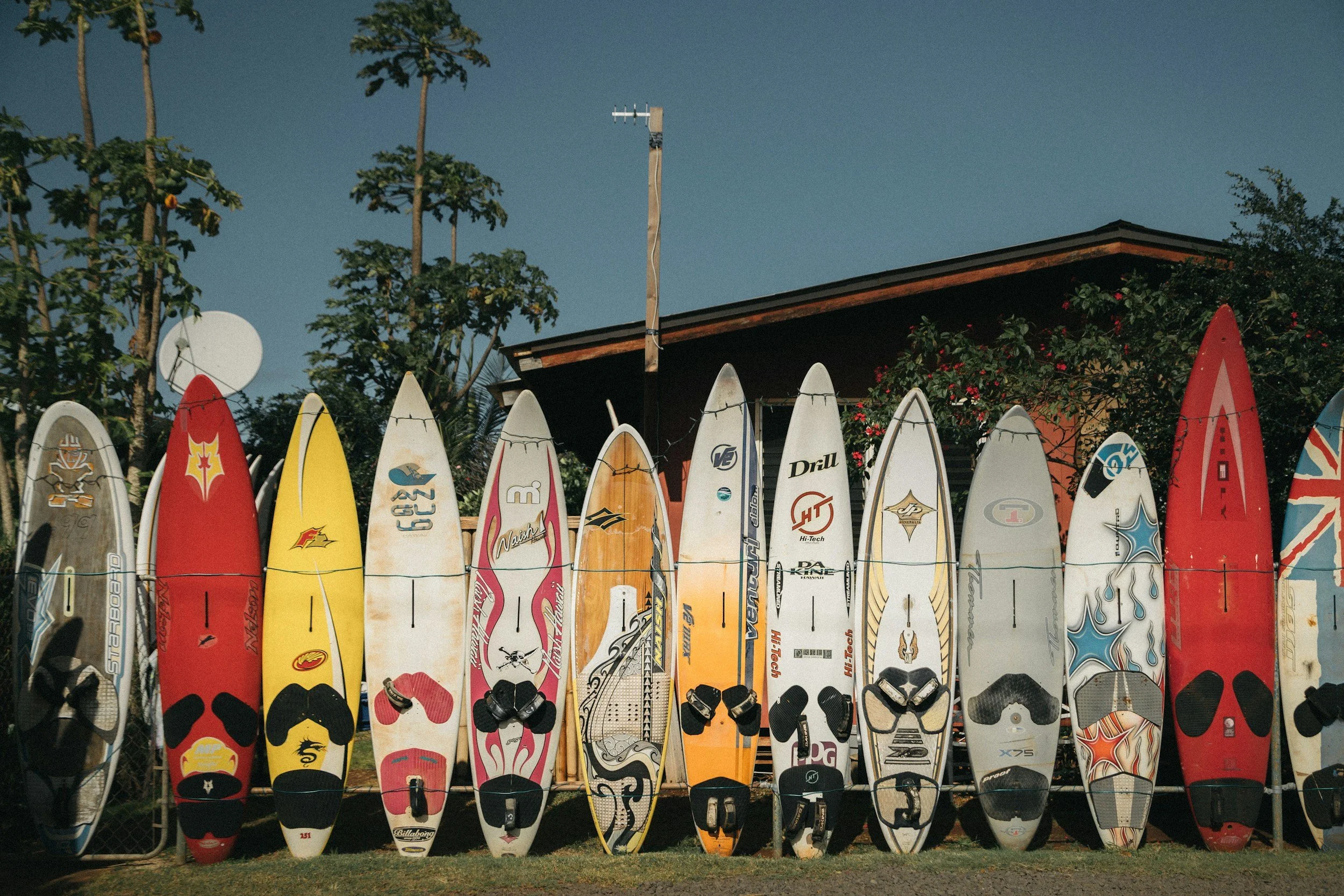
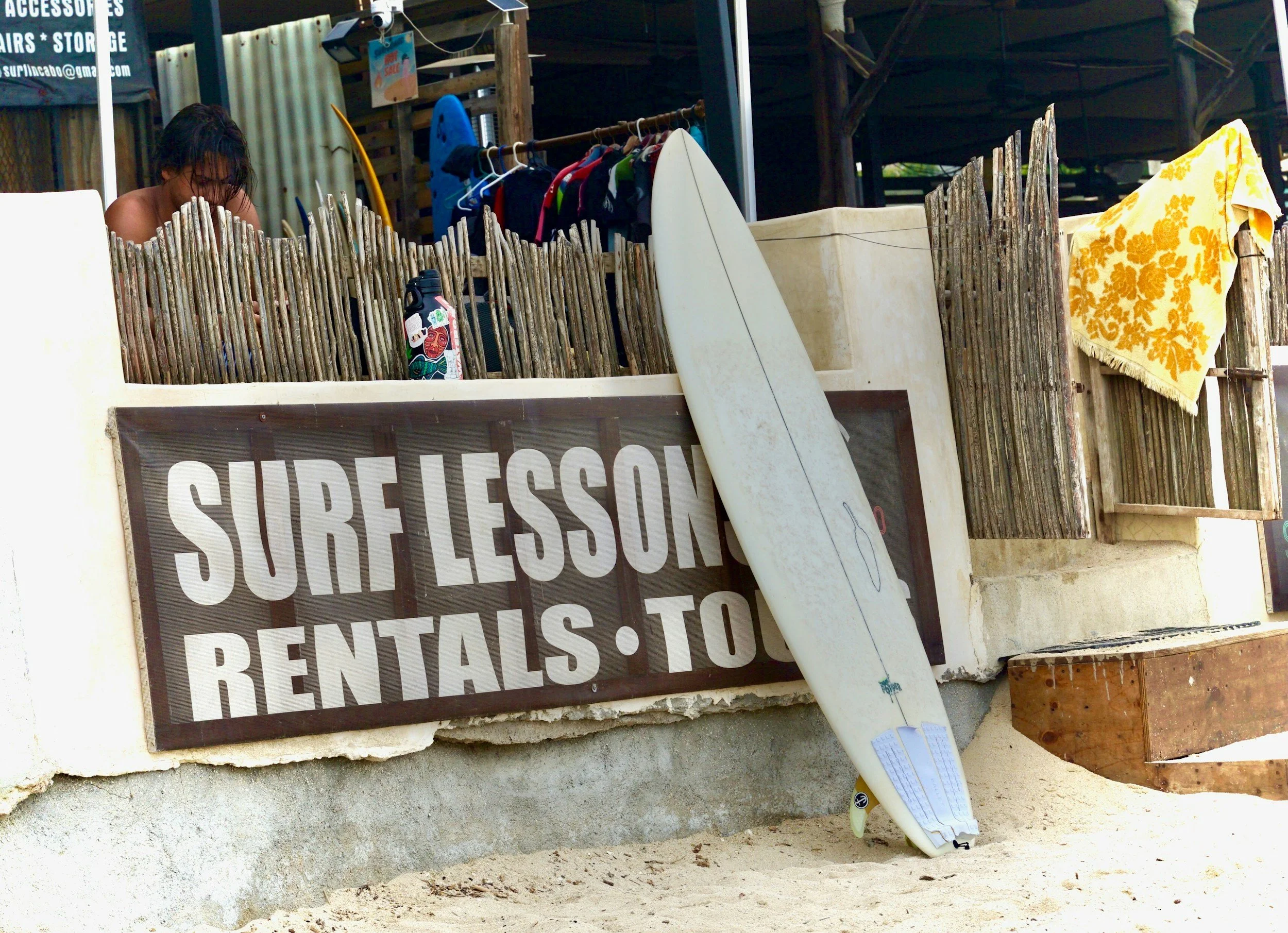
Standing up on a surfboard for the first time is the kind of win a kid remembers for years. The barrier feels high, but with a soft-top board, whitewater waves, and a patient instructor, most kids catch their first ride within a single lesson. The ocean does most of the work; they just have to pop up.
Kids as young as five can start in gentle whitewater with an instructor pushing them into the wave. By age eight or nine, many can paddle and catch small waves on their own. If you're starting from scratch, our breakdown of surf lessons for kids, including ages and real costs lays out what an hour in the water looks like. The catch is exhaustion: paddling burns kids out fast, so book a morning lesson and plan a quiet afternoon. Rash guards and reef-safe sunscreen are non-negotiable.
5. Rock Climbing at a Gym or Crag
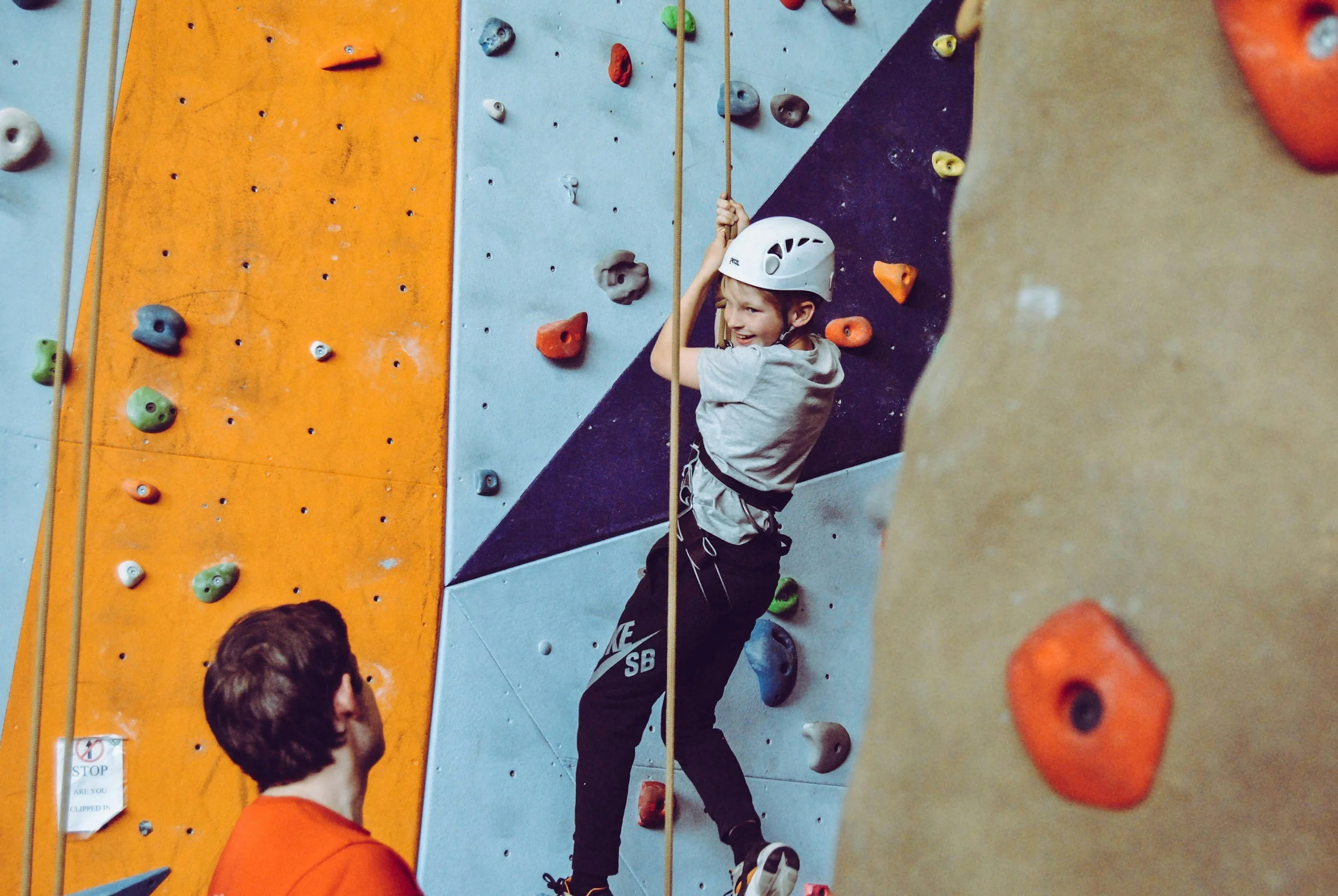
Climbing scratches a primal itch for kids who want to scramble up everything anyway. The bonus is that it builds problem-solving and grit, because every route is a puzzle for the body. Indoor gyms make it easy to start year-round, with no weather to fight and harnesses sized for small bodies.
An indoor wall is the gentlest on-ramp, and most gyms run beginner sessions with trained belayers. Our guide to getting started with indoor climbing as a family covers what to expect on a first visit. Little kids love bouldering on low walls with thick pads underneath, while older kids graduate to roped routes and, eventually, real rock outdoors. The real caveat: forearm fatigue hits kids hard and fast, so keep sessions short and celebrate effort over height. Confidence matters more than reaching the top.
6. Wildlife Watching from a Boat
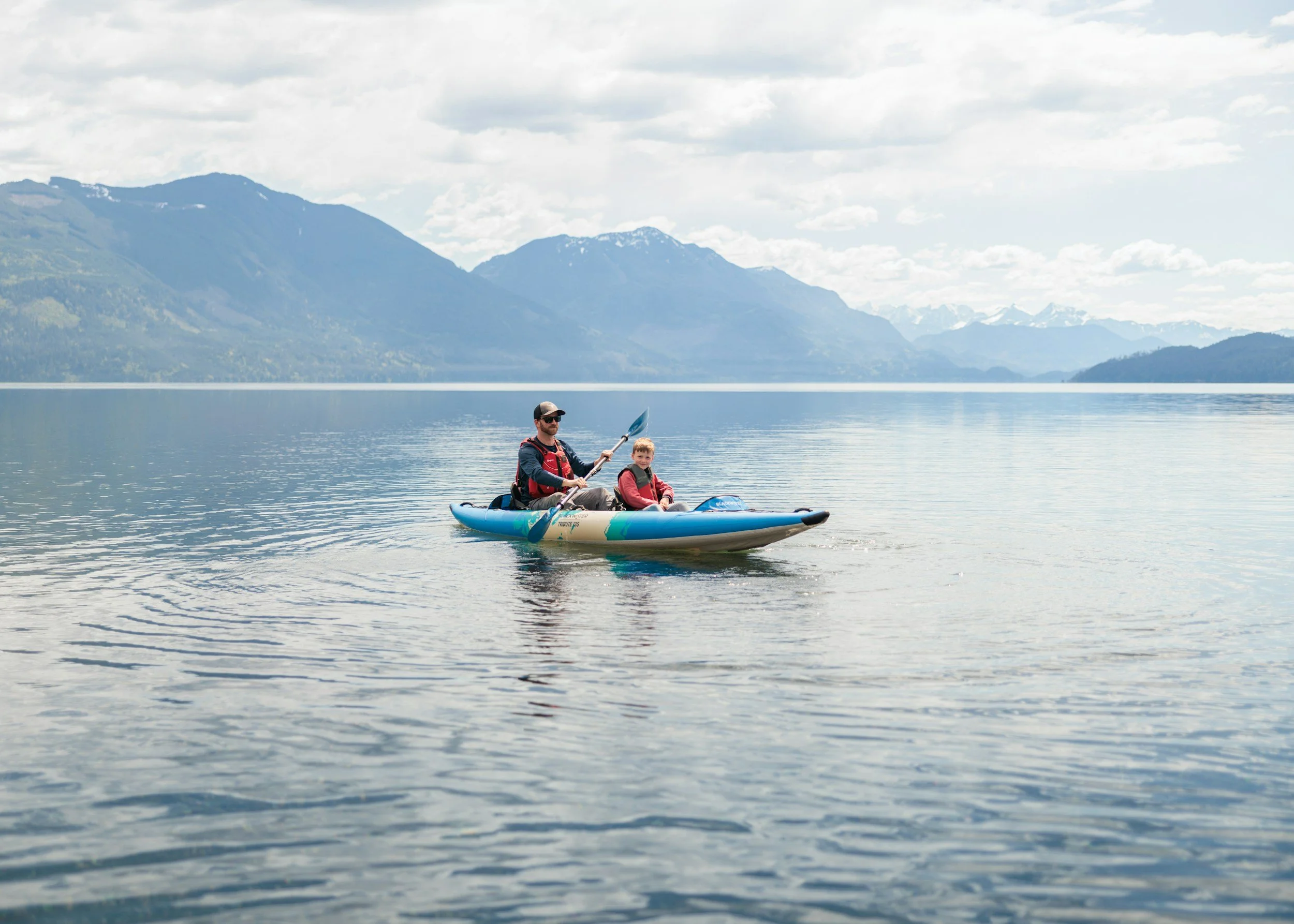
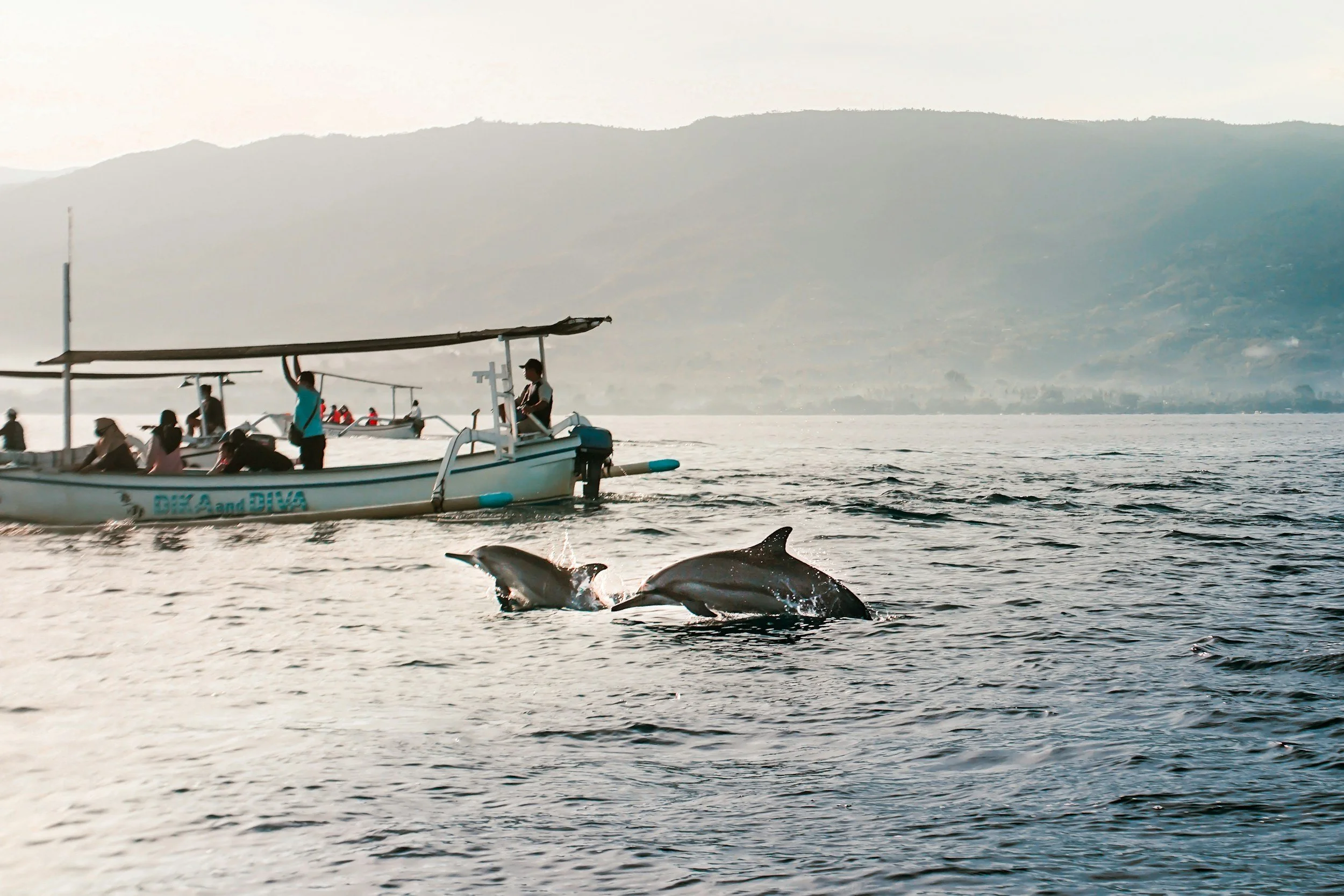
Few things land like a child's first sight of a whale breaching twenty feet from the boat. Wildlife watching turns a passive outing into an edge-of-the-seat experience, and it teaches kids to be still and observant in a way nothing else quite does. Whales, dolphins, sea turtles, sea birds, even crocodiles from a safe river boat all count.
For younger kids, a shorter trip on calmer water is the way to go, since attention spans and stomachs are both limited. Our step-by-step advice on picking the right whale watching tour for kids walks through choosing the boat, time, and harbor. As kids get older, hand them binoculars and a job: spotting blows, counting fins, logging sightings. Motion sickness is the main thing to plan around, so dose ahead of time if your kid is prone to it and keep their eyes on the horizon.
7. Tide Pooling and Beach Exploring
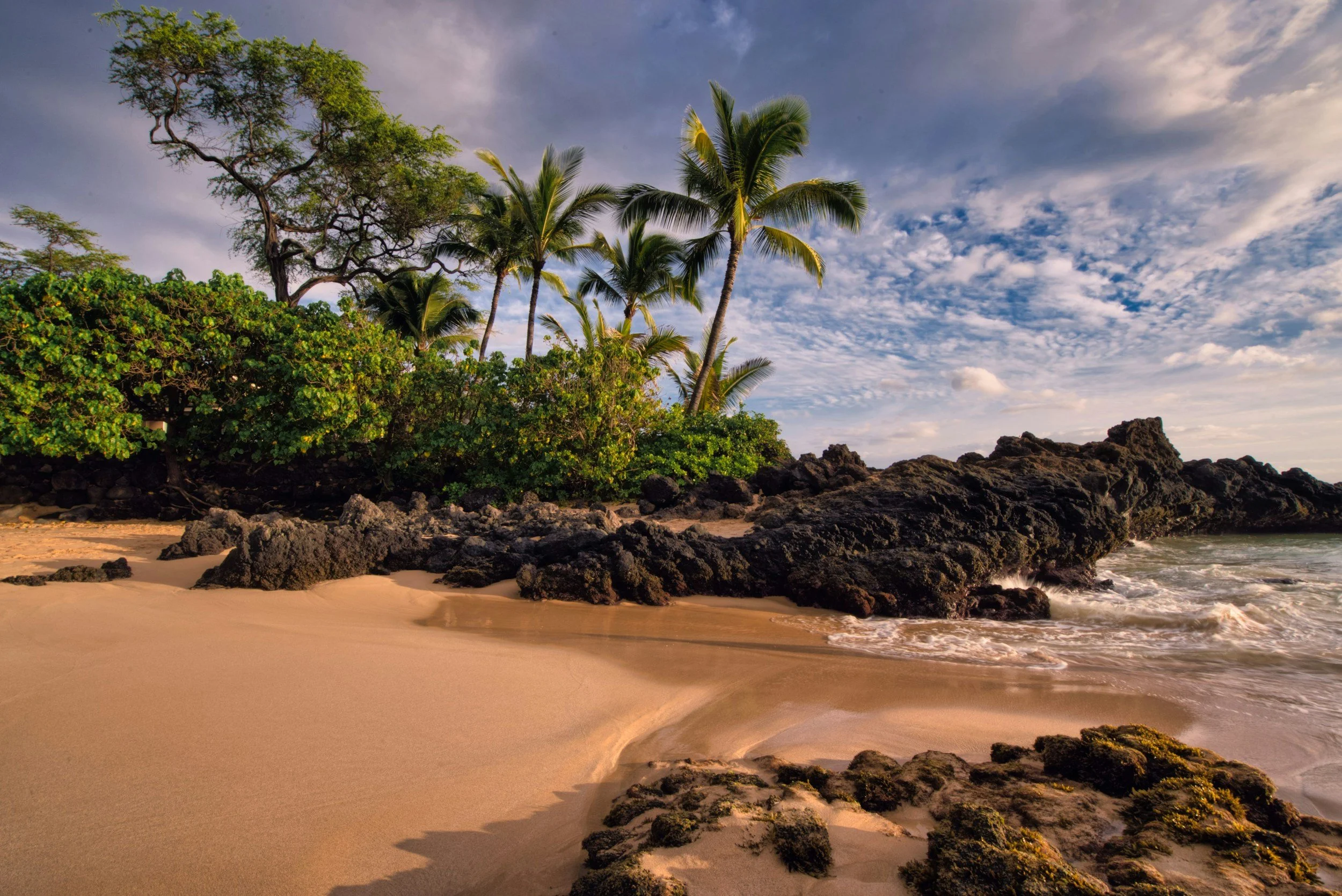
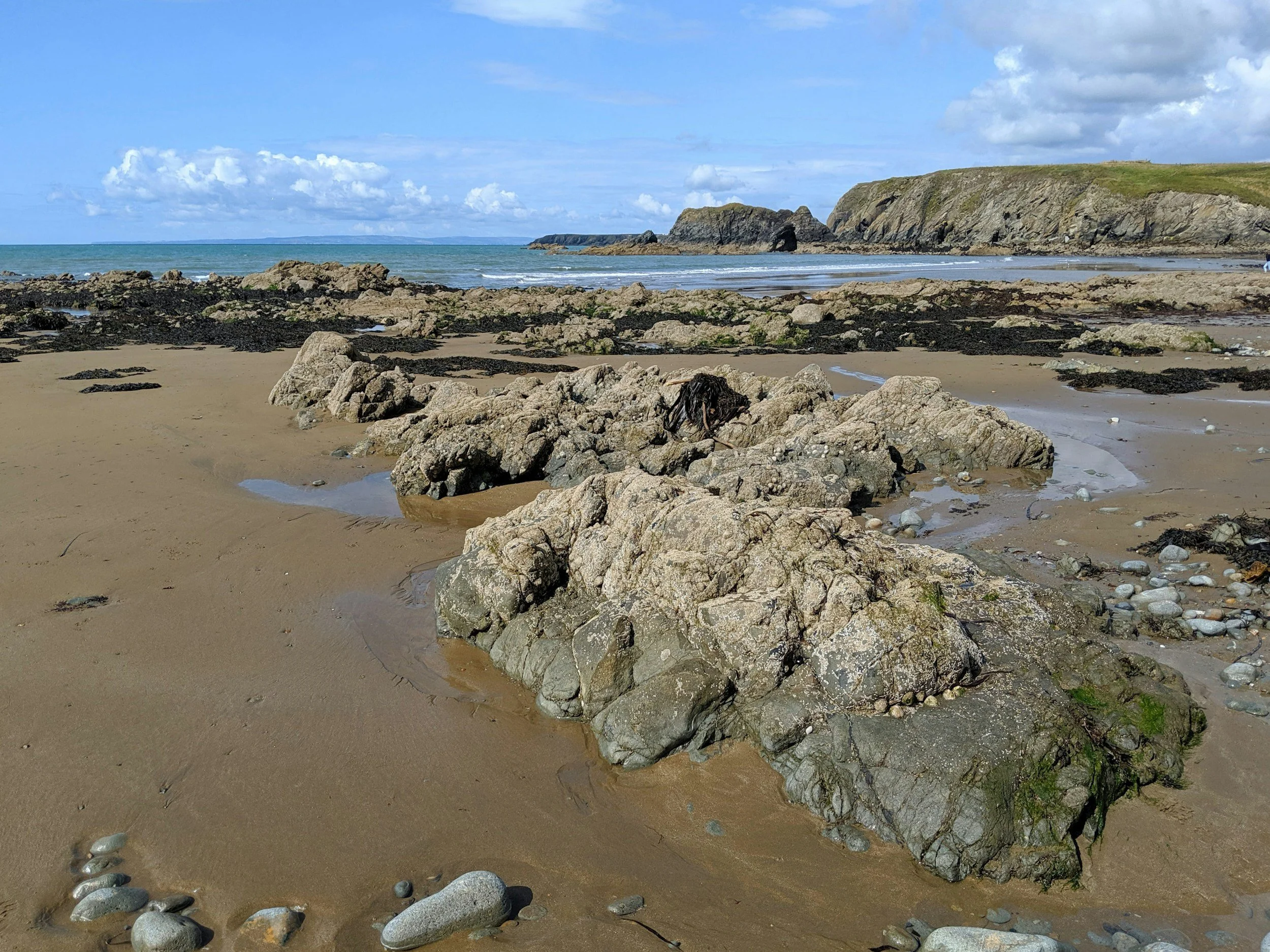
Tide pooling is the easiest adventure on this entire list, and one of the most rewarding for the youngest crew. At low tide, the shoreline turns into a living aquarium of crabs, anemones, tiny fish, and snails, and toddlers can do it safely with a parent right beside them. No gear, no lessons, no fee.
The whole thing hinges on timing, because you need a low tide to expose the pools, so check a tide chart before you go. Little ones are happy just poking around and naming creatures, while older kids can bring a field guide and start identifying species or sketching them. It's a natural pairing with a beach day, and our free printable family beach day packing list makes sure you don't leave the water shoes behind. Slippery rocks and waves sneaking up are the things to watch, so keep a hand on the small ones and never turn your back on the surf.
8. Family Bike Adventures
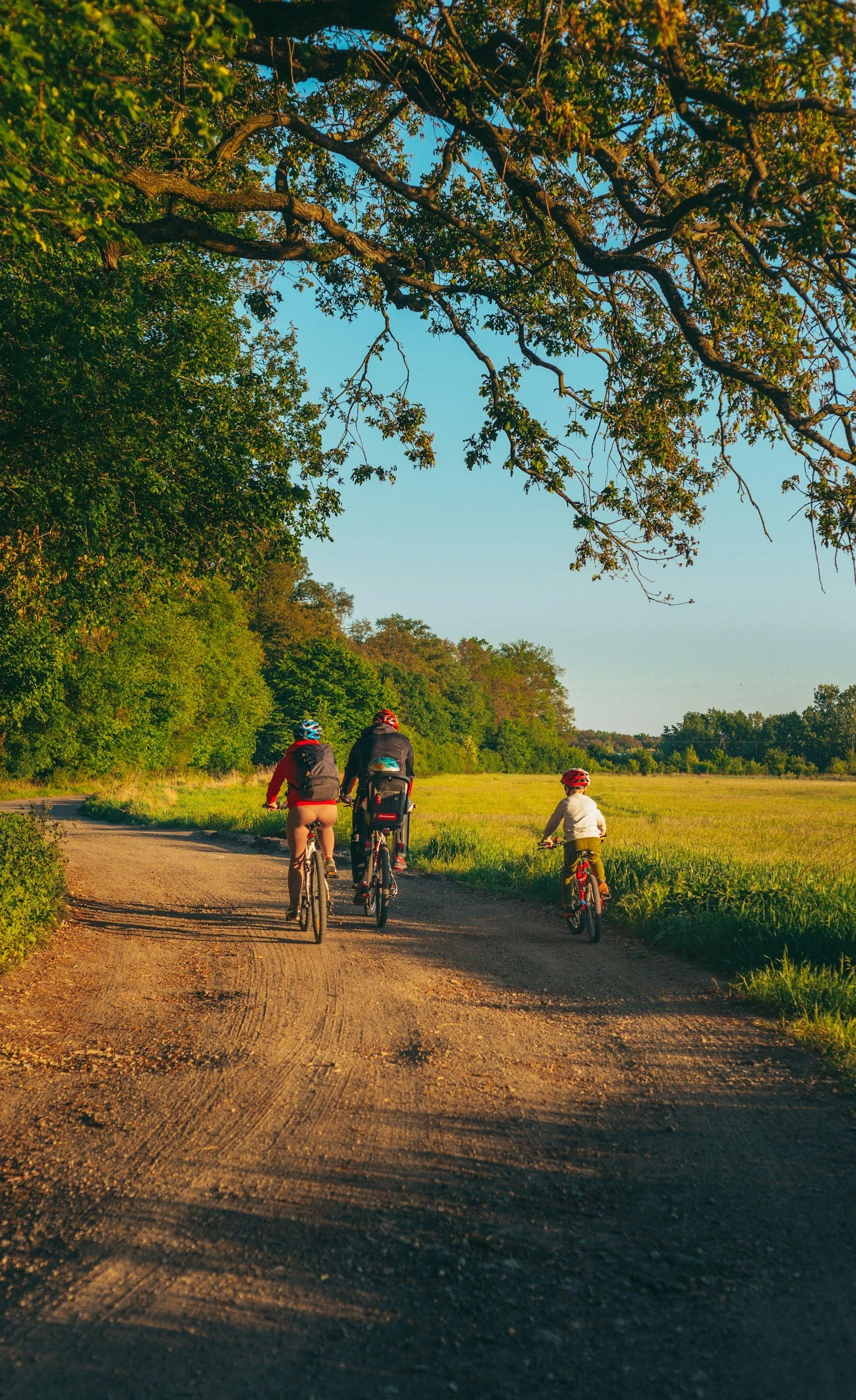
A bike ride on a car-free path gives kids a taste of real independence, and it covers way more ground than little legs could hike. Paved trails, boardwalks, and quiet country lanes all work, and the steady rhythm of pedaling tends to keep the whining at bay. It's also one of the cheapest adventures going, once you own the bikes.
For pre-readers and new pedalers, a flat, traffic-free path is everything, and a trail-a-bike or child seat extends the range for the littlest riders. As kids gain confidence, add distance and gentle hills, and let them set the pace. Build in a destination, an ice cream shop, a lookout, a playground, and you've turned a ride into a real outing. Helmets every time, and pack more snacks and water than feels reasonable, because pedaling burns through a kid's fuel tank quickly.
9. A Scavenger Hunt in Nature
When you need to turn an ordinary walk into an adventure, nothing beats a scavenger hunt. Hand a kid a list of things to find, a pinecone, a red leaf, a bird's nest, a smooth rock, and suddenly that boring trail is a treasure quest. It works in a national park or your local woods, which makes it the most accessible adventure on the list.
Toddlers do best with a picture-based list and simple targets, while older kids enjoy riddles, photo challenges, or a points system that adds a little friendly competition. We keep a set of printable scavenger hunt clue cards on hand for exactly these moments, and they save the day when energy dips mid-hike. The only real catch is keeping the list age-appropriate, since a too-hard list frustrates little ones and a too-easy one bores the big kids. Mixed-age crew? Give each kid their own list.
How to Build Outdoor Adventures for Kids Into a Trip
You don't have to chase all nine in a single trip, and in truth, trying to would burn everyone out. The families who do this well pick one or two big adventures per trip and let the rest of the days breathe. A waterfall hike one morning, tide pools the next, and a lazy beach afternoon in between is a far better rhythm than cramming a new adventure into every slot.
Destinations that stack several of these in one place make the planning easier. A spot with reef snorkeling, beginner surf, waterfall trails, and whale season covers half this list without much driving, which is part of why we keep coming back to the outdoor activities available across Maui. If your kids are at very different ages, lean on activities that flex up and down, and read our age-by-age guide to adventure activities for kids to match each adventure to where your crew is right now. When you're ready to map it all into days, a simple travel itinerary planner template keeps the trip from turning into a free-for-all.
Frequently Asked Questions
What are the best outdoor adventures for kids who are nervous about trying new things?
Outdoor adventures for kids who are hesitant go smoothly when you start with tide pooling and a nature scavenger hunt, since both let a hesitant kid set their own pace with zero pressure and a parent right beside them. From there, a short waterfall hike with a clear reward builds confidence without feeling risky. The pattern that works is letting them succeed at something small first, then offering the next step rather than pushing them straight into the deep end. Choice goes a long way, so give them options and let them pick.
What age can kids start these outdoor activities?
Most of these adventures work from around age three or four with a parent close by, and tide pooling, scavenger hunts, family camping, and bike rides with a child seat can start even younger. Snorkeling, surfing, and rock climbing usually click best around age five and up, once kids can follow basic safety instructions. Each activity scales, so the same adventure that suits a four-year-old will challenge a nine-year-old in a different way.
How much gear do I really need to get started?
Far less than the outdoor industry would have you believe. Tide pooling, scavenger hunts, and waterfall hikes need almost nothing beyond water shoes, sunscreen, and snacks. Snorkeling needs a well-fitting mask, climbing and surfing are usually covered by gym or lesson rentals, and camping is the only one with a real gear list. Borrow or rent before you buy for any kid who hasn't tried the activity yet.
How do I handle very different ages on the same outing?
Pick adventures that flex, then give each kid a role suited to their level. On a scavenger hunt, the little one gets a picture list while the older one gets riddles. On a hike, the big kid navigates while the little one collects treasures. The goal is one shared outing where everyone has a job that fits, not two separate activities running side by side.
Pick One and Put It on the Calendar
The hardest part of any of these outdoor adventures for kids isn't the doing, it's the deciding. So don't overthink it. Look at the next free weekend, pick the one adventure on this list that fits your kids and your backyard, and block it out. The window where they say yes to everything won't stay open forever, and the best trip is the one that leaves the driveway.
Happy Adventuring!
Jen