Affiliate Links may be used on this website, at no additional cost to you. This means I may earn a commission if you make a qualifying purchase. There is no charge to you. Thanks for supporting this website!
Road trip vs flying with kids comes down to distance, family size, and how many hours your particular children can sit before the day falls apart. For destinations under roughly 500 miles, driving wins door-to-door once you count airport overhead, security buffers, baggage claim, and the rental car counter. Past 700 to 800 miles, a road trip turns into two or more full days of driving each way, and flying reclaims those days for the actual vacation. Airfare multiplies by every seat, so larger families almost always find driving cheaper, while the fly-and-drive option, a short flight across the boring middle followed by a rental car on the destination end, delivers both speed and the freedom to wander once you land. The destination itself often settles the question: spread-out regions like Maui or Costa Rica demand wheels, clustered resorts and walkable cities do not.
The choice of a road trip vs flying with kids usually comes down to one number that nobody wants to admit out loud: how many hours your particular children can sit before the whole thing falls apart. Some families can do twelve hours in a day with snacks and an audiobook. Others hit a wall at hour four, and pushing past it sours the entire vacation before you've even arrived.
So instead of pretending there's one right answer, let's compare the three realistic ways most families get from home to a destination far away: the full long road trip (driving the whole distance), the fly-and-drive (a flight to a hub, then a rental car), and a straight fly-in (flying to your destination and barely driving at all). We'll line them up across the criteria that decide your trip: total time, real cost, flexibility, kid tolerance, gear and luggage, and the destinations each one suits. By the end you'll know which fits your crew this year.
Road trip vs flying with kids: the three options at a glance
A long road trip means your own car, your own schedule, and every mile under your control. A fly-and-drive splits the journey: you fly across the boring middle and pick up a rental on the other end, which is how most families reach places like Maui or a national park cluster halfway across the country. A pure fly-in works when your destination has everything within shuttle or short-drive distance and you don't need wheels at all.
Here's the plain framing before we get into details. Driving wins on cost and flexibility for anything under roughly a full day's drive. Flying wins the moment distance turns a road trip into two or three days of windshield time. The fly-and-drive sits in the middle and is, for a lot of adventure-minded families, the sweet spot. Now let's pressure-test all three.
Total travel time
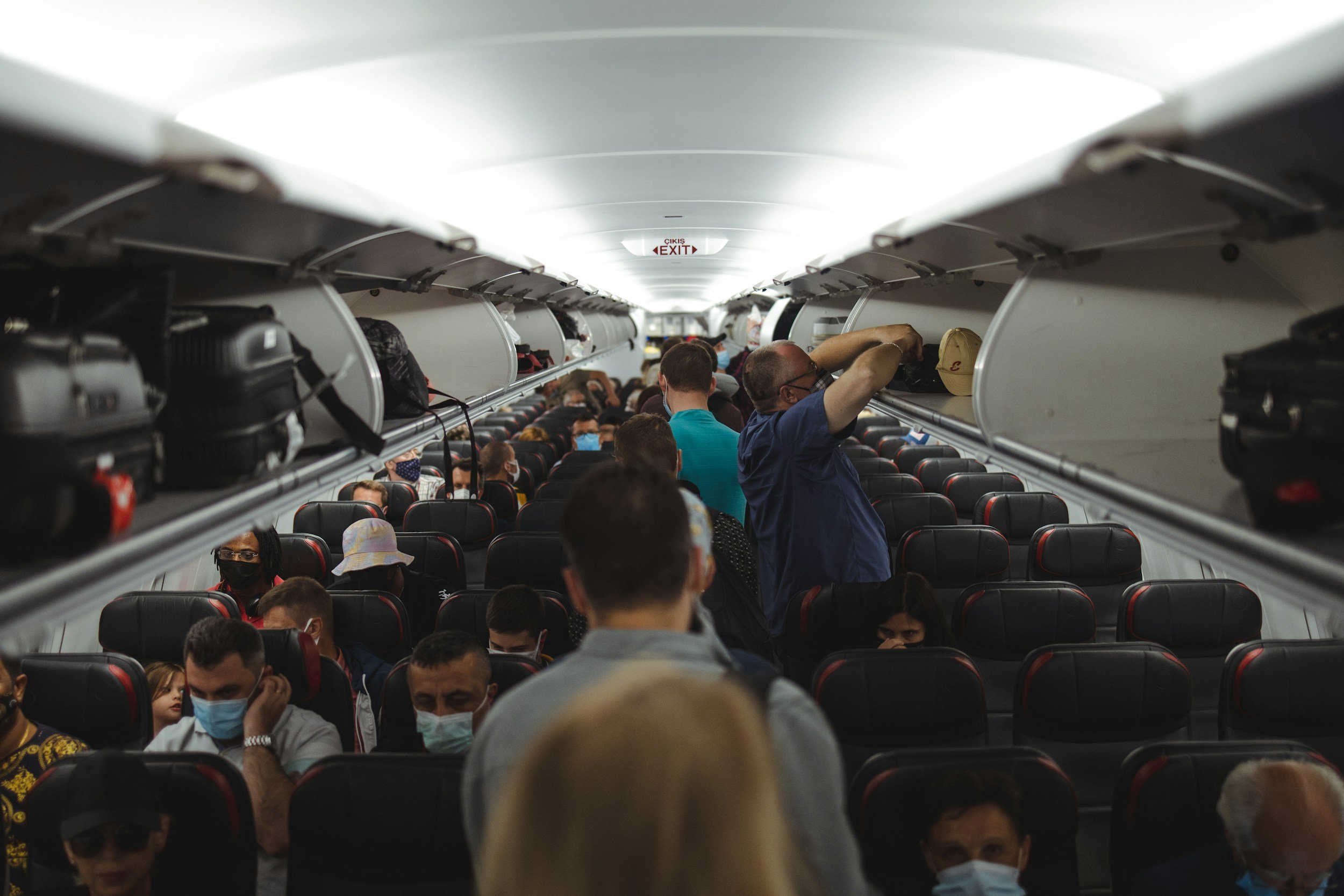
This is where the comparison gets emotional fast. On paper, a flight that takes four hours obviously beats a 1,400-mile drive. In practice, flying with young kids eats far more of the day than the boarding pass suggests. You've got the drive to the airport, the two-hour security buffer, the boarding, the flight itself, the deplaning shuffle, baggage claim, and then the rental car counter. A "four-hour flight" routinely becomes an eight-hour door-to-door day, and a chunk of it is spent standing in lines with a toddler who wants to be anywhere else.
A road trip's time is more transparent. Eight hours of driving is eight hours, plus stops. You control the stops, you eat in the car if you want, and there's no security theater. For distances under about 500 miles, driving often beats flying door-to-door once you count all the airport overhead. We'd reach for the car every time on a same-day-reachable trip.
Past 700 or 800 miles, the math flips hard. A 1,200-mile drive is two full days each way, which means four of your vacation days are spent looking at highway. Flying reclaims those days. The fly-and-drive lands in between: you skip the brutal middle stretch by air, then enjoy a short, scenic drive on the destination end, which is by far the most pleasant kind of driving there is.
Real cost for a family
Driving looks cheap until you add it all up, and flying looks expensive until you do the same. Let's be concrete. Say you've got a family of four heading somewhere 1,000 miles away.
For the road trip, your costs are gas (round trip, so 2,000 miles of fuel), at least one or two nights in a hotel each direction if it's a long haul, road food, and the slow tax of wear on your vehicle. The big advantage: those costs barely change whether you have two kids or four. Driving scales beautifully with family size. A fifth person costs you almost nothing extra in the car.
Flying does the opposite. Every seat is another full fare, and airfare is the one cost that multiplies straight by the number of bodies. A family of five pays roughly 25% more than a family of four for the exact same trip. Add checked bags, airport parking or a ride to the terminal, and the rental car on the far end, and a fly-and-drive can climb quickly. Larger families almost always find driving cheaper; couples with one kid often find flying competitive or even cheaper once they value their time.
| Cost factor | Long road trip | Fly-and-drive | Pure fly-in |
|---|---|---|---|
| Scales with family size | Barely (best for big families) | Yes, per seat | Yes, per seat |
| Lodging en route | 1–2 nights each way | None | None |
| Rental car | None | Required | Often skippable |
| Hidden costs | Vehicle wear, road food | Bags, parking, rental fees | Bags, shuttles |
One thing we'd flag: the road trip's lodging-en-route cost is the one families forget. Two hotel nights each way can steadily erase the gas savings. If you can do the drive in a single long day each direction, the road trip wins on cost almost every time. If it takes two days, run the numbers carefully before you assume driving is cheaper.
Flexibility and the freedom to change plans
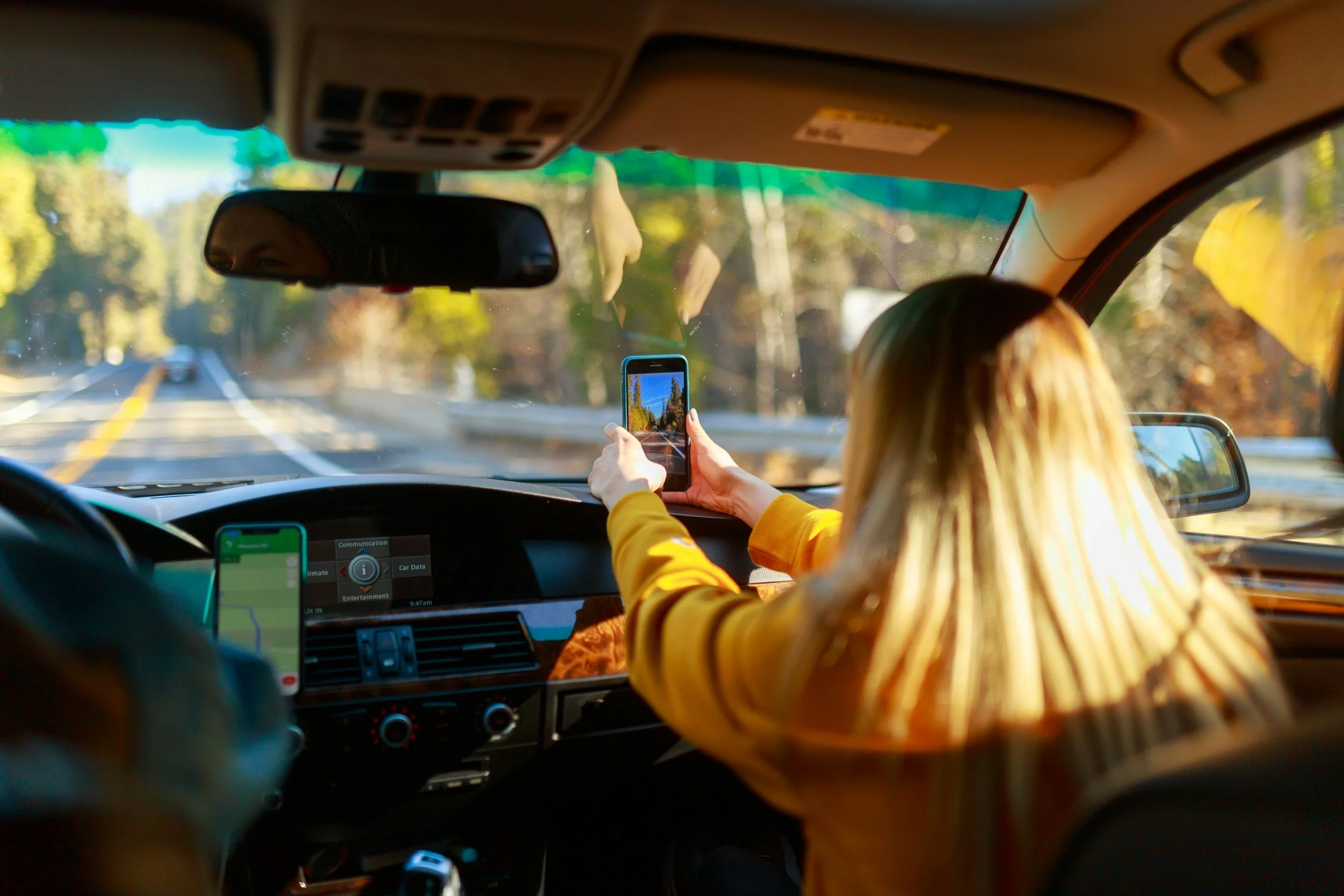
Nothing beats a car for the ability to change your mind. Found a roadside diner with a line out the door? Stop. Kid needs a bathroom right now? Next exit. Want to add an extra hour at a state park because everyone's happy? Do it. The whole appeal of the long road trip is that the journey becomes part of the adventure rather than an obstacle to it. We've always loved how a drive turns the in-between places into the trip itself, the way our Midwest road trip route stitched together small towns we'd never have flown to.
Flying trades that freedom for speed. Your day is built around a departure time you can't move, security lines you can't skip, and a seat assignment that may scatter your family across the cabin if you don't pay to sit together. Miss a connection and your carefully built itinerary buckles. There's real stress in that for parents of little ones, and it's worth naming.
The fly-and-drive recovers a lot of that flexibility on the back end. You're locked into the flight, yes, but once you land and grab the rental, you've got the same freedom to wander that a full road trip offers. For destinations spread across a region, a rental car is what makes the adventure possible at all. Picking up a car at the airport is also where families overpay if they're not careful, so it's worth knowing what you're walking into before you reach the counter, the way our notes on renting a car in Orlando break down.
Kid tolerance and the meltdown factor
Be real with yourself about your own kids here, because no comparison chart knows them like you do. A car has one enormous advantage for young children: they can move, snack, nap, and make noise without bothering strangers. You can pull over and let them run a lap around a rest stop. The bar for a "bad moment" in a car is much higher because you're not trapped in a metal tube at 35,000 feet with a hundred annoyed passengers.
Flying compresses everything. The worst part isn't usually the flight itself; it's the waiting at the gate, the cramped seats, and the ear-pressure tears during descent. Babies and toddlers often do fine if you time the flight around naps and pack enough distractions. School-age kids handle flying beautifully and sometimes love it. It's the wiggly two-to-four crowd that finds flying hardest, and for that age the car can be the gentler choice even when it's slower.
Whatever the mode, the go-to tool is the same: a great audiobook keeps a car (or a plane) peaceful for hours, and our roundup of the best family road trip audiobooks is the first thing we pack for any long journey. A printable game in the back seat does the same work. Our Passport Panic escape game has bought us a noticeably quiet stretch of highway more than once, and it works just as well at the gate.
Gear, luggage, and how much stuff you can bring
If your trip involves a lot of gear, the car wins without contest. Car seats, strollers, a cooler, beach chairs, camping equipment, a wagon, the giant bag of snacks, that extra pair of shoes for every kid because someone always soaks their feet. You load it all and forget about it. For camping trips especially, the road trip is the obvious pick because hauling a tent and sleeping bags through an airport is its own small ordeal, and our family camping packing list shows just how much that adds up to.
Flying forces ruthless choices. Every bag has a fee, car seats and strollers need gate-checking, and you'll spend the trip's first hour wrangling all of it through baggage claim. The upside is you're forced to pack light, which some families come to love. A fly-and-drive splits the difference: you still fly with limited luggage, but the rental car on the other end means you can buy bulky stuff (a cheap cooler, beach gear, groceries) once you land instead of dragging it through the airport.
For destinations where you'll buy gear locally anyway, like a beach week, flying light and stocking up on arrival works well. We do exactly that for island trips, leaning on a tight beach day packing list so we only carry what matters and grab the rest at a local shop.
Which destinations suit each approach
The destination often makes the decision for you. Some places are built for driving; others can only be reached by air.
Long road trip: National park loops, regional adventures, anything within a day or two of home. Think a circuit through the Rockies, a coastal highway run, or a multi-state camping tour where the driving is the point.
Fly-and-drive: Faraway places that still need a car to explore. Maui is the classic example, where a 5-day Maui adventure means flying to the island and then driving the Road to Hana, chasing beaches, and reaching trailheads on your own schedule. Costa Rica works the same way, with a flight in and a rental built around your Costa Rica itinerary.
Pure fly-in: All-inclusive resorts, cruise departures, or city trips where you walk and use transit. If everything you want is within a shuttle ride, skip the rental entirely and save the hassle.
The deciding question is whether your destination's best parts are clustered or spread out. Clustered? Fly in and skip the car. Spread across a region, like a whole island or a stretch of coast? You want wheels, which means either driving the whole way or flying and renting.
The decision matrix: which should you choose
Run your trip through these quick filters and the answer usually shows itself.
| If this is true... | Lean toward |
|---|---|
| Destination is under ~500 miles | Long road trip |
| Destination is 500–800 miles, kids travel well | Road trip (one long day each way) |
| Destination is 800+ miles or across water | Fly-and-drive or fly-in |
| You're bringing camping gear or lots of equipment | Long road trip |
| You have a large family (4+ kids) | Road trip (cost scales best) |
| Destination's highlights are spread across a region | Fly-and-drive |
| Everything's at one resort or walkable area | Pure fly-in |
| You have toddlers and a tight schedule | Whichever keeps total travel under one day |
If you're still torn on the road trip vs flying with kids debate, here's our default: for anything reachable in a single day's drive, take the car and turn the journey into part of the trip. For truly far destinations, especially islands and regions with scattered highlights, the fly-and-drive gives you the best of speed and freedom. The pure fly-in is the right call only when you truly won't need a car once you arrive. Whichever you pick, build the plan early. A loose itinerary holds the whole thing together, and a simple travel itinerary planner keeps everyone's expectations in the same place before you ever pull out of the driveway. For the bigger picture of fitting it all together, our family trip planning system walks through budget, dates, and booking order.
Frequently asked questions
At what distance does flying beat a road trip with kids?
For the road trip vs flying with kids decision, the rough tipping point is around 700 to 800 miles. Below that, driving usually wins door-to-door once you count airport overhead, especially for larger families. Above it, a road trip turns into two or more days of driving each way, and flying reclaims those days for the actual vacation. Your kids' tolerance shifts the line: families with great car travelers can push past it, while families with restless toddlers may want to fly even shorter distances.
Is flying really more expensive than driving for a family?
It depends heavily on family size. Airfare multiplies by every seat, so a family of five or six almost always finds driving cheaper. A couple with one young child often finds flying competitive once you factor in the value of saved time and skipped hotel nights en route. Run the full math both ways: gas plus lodging-en-route for driving, versus all the fares plus bags, parking, and a rental car for flying.
What's the best way to keep kids happy on a long travel day?
Plan for distraction before boredom hits, not after. A long audiobook is our top pick for both car and plane because it holds attention for hours. Pack snacks within reach, schedule travel around naps for little ones, and bring a printable activity or game that doesn't need wifi. For car trips, frequent short stops at parks or rest areas reset everyone far better than pushing through.
Do we need a rental car if we fly to our destination?
Only if your destination's highlights are spread out. Islands like Maui and regions like Costa Rica almost demand a rental because the best beaches, trails, and towns are scattered. All-inclusive resorts, cruise trips, and walkable cities usually don't need one, and skipping the rental saves real money and hassle. Ask yourself whether you'll want to explore beyond walking or shuttle distance.
However you decide the road trip vs flying with kids question this year, the worst choice is the one made in a rush the night before. Sketch out your distance, your kids' real limits, and your gear list now, pick the mode that fits, and let the journey become part of the adventure instead of the part you survive to get there. Your next trip is closer than you think!
Happy Travels!
Jen