Travel as School: What Kids Actually Learn from International Family Adventures
Affiliate Links may be used on this website, at no additional cost to you. This means I may earn a commission if you make a qualifying purchase. There is no charge to you. Thanks for supporting this website!
A child who has stood in a market in another country and counted out unfamiliar coins to buy a piece of fruit has done more real math than a worksheet ever asked of them. That's the heart of learning through travel for kids: lessons stop being abstract the moment a child has to use them to get something they want. Currency conversion becomes survival. A map becomes the difference between lunch and a long, hungry walk back to the hotel.
Most articles on this topic either rattle off a list of vague benefits or tell one family's sprawling personal story. We want to do something more useful here. This is a practical look at what kids take away from international family adventures, broken down by age, with concrete ways to pull more learning out of an ordinary one-week vacation. You don't have to sell the house and travel full-time to get the educational payoff. You just have to be a little intentional.
Why Travel Is One of the Most Powerful Classrooms for Kids
The classroom teaches kids about the world. Travel drops them into it. Those are different experiences, and the difference matters more than most parents expect.
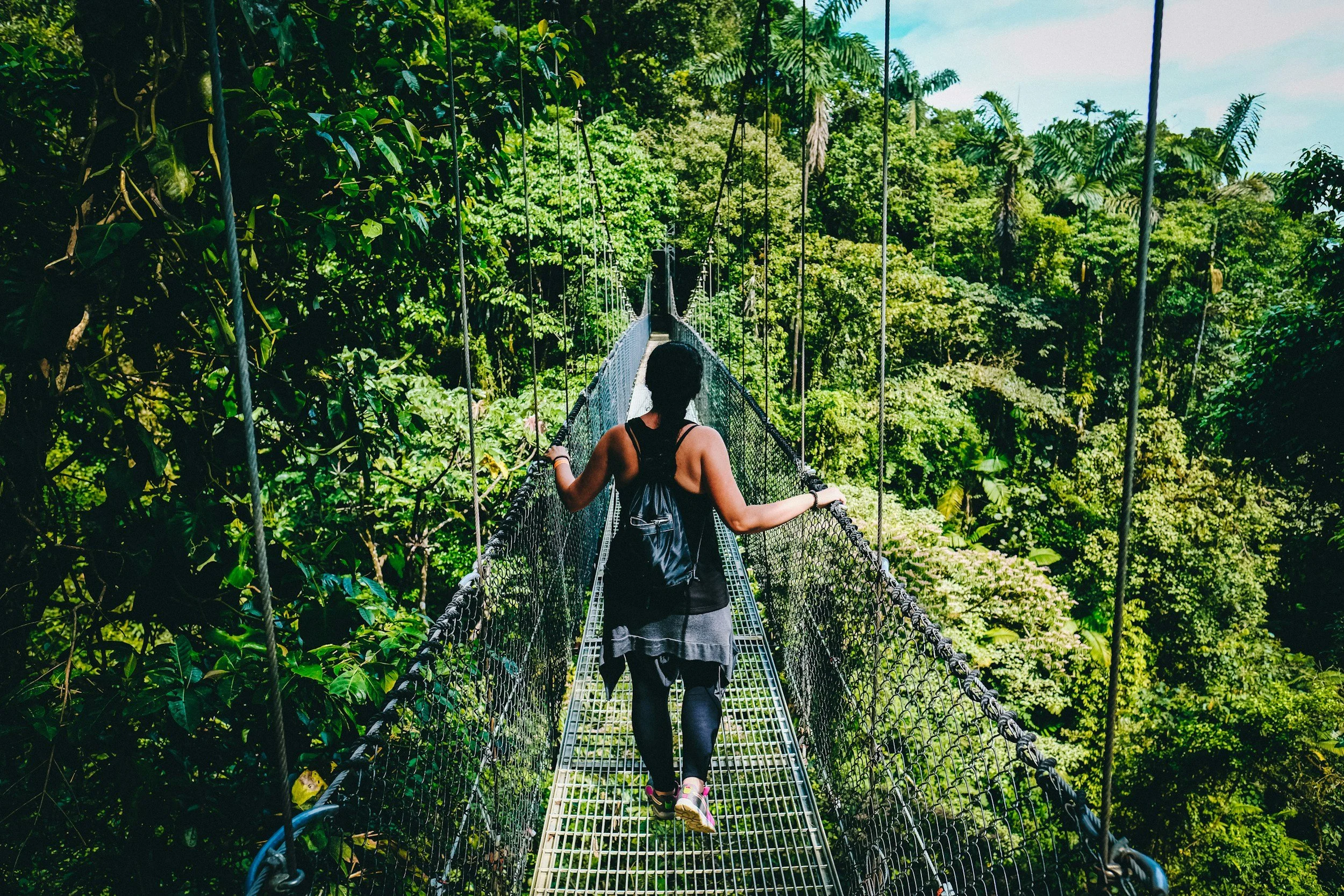
When a child reads about a rainforest, they file it away as a fact. When they walk under a canopy and feel the humidity, hear a howler monkey, and watch a leafcutter ant carry a leaf ten times its size, the information lands in their body, not just their notebook. Memory researchers have long pointed to the way multi-sensory, emotionally charged experiences stick far better than passive reading. Travel is multi-sensory and emotionally charged by default. You can't fake the smell of a spice market or the cold shock of an alpine lake.
There's a research thread worth knowing here, too. Forbes has reported on surveys of educators who say students who travel show measurable gains in school, including better engagement, stronger social skills, and more curiosity about subjects they once found boring. That tracks with what teachers describe anecdotally: the kid who visited a battlefield or a volcano comes back to the relevant unit already hooked. Travel doesn't replace school. It primes kids for it.
Learning Through Travel for Kids: What Children Gain
The benefits get listed so often they start to blur. Let's get specific about what's happening under the hood, because the mechanism is more convincing than any tidy bullet point.
Academic Reinforcement: History, Geography, and Math in the Real World
Geography stops being a poster on the wall when a child traces the route from their home airport to a destination across an ocean, then has to figure out that it's six hours later there and they're going to be wrecked at dinnertime. Time zones, distance, scale, the shape of coastlines they've only seen flat on a page: it all gets real.
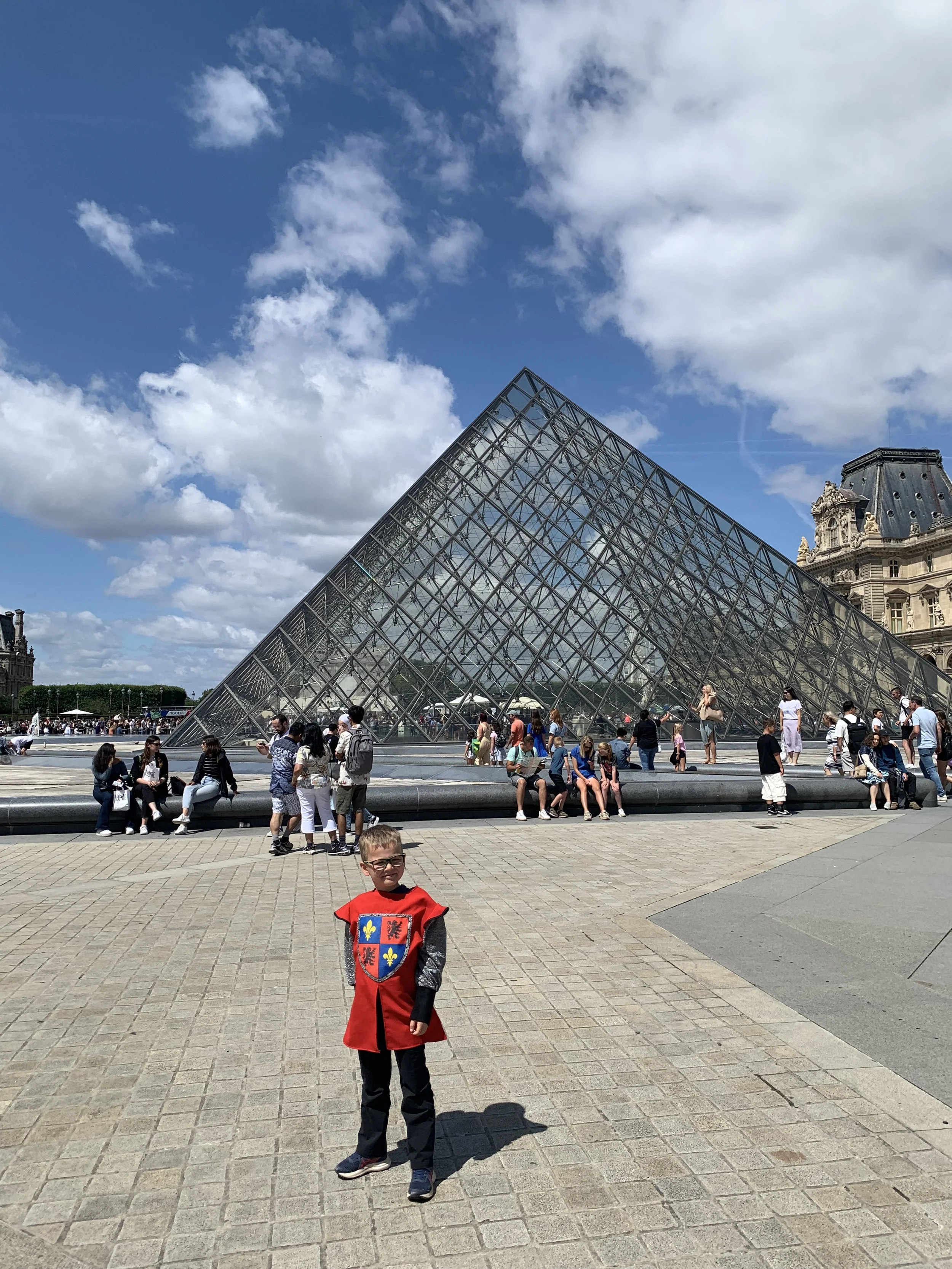
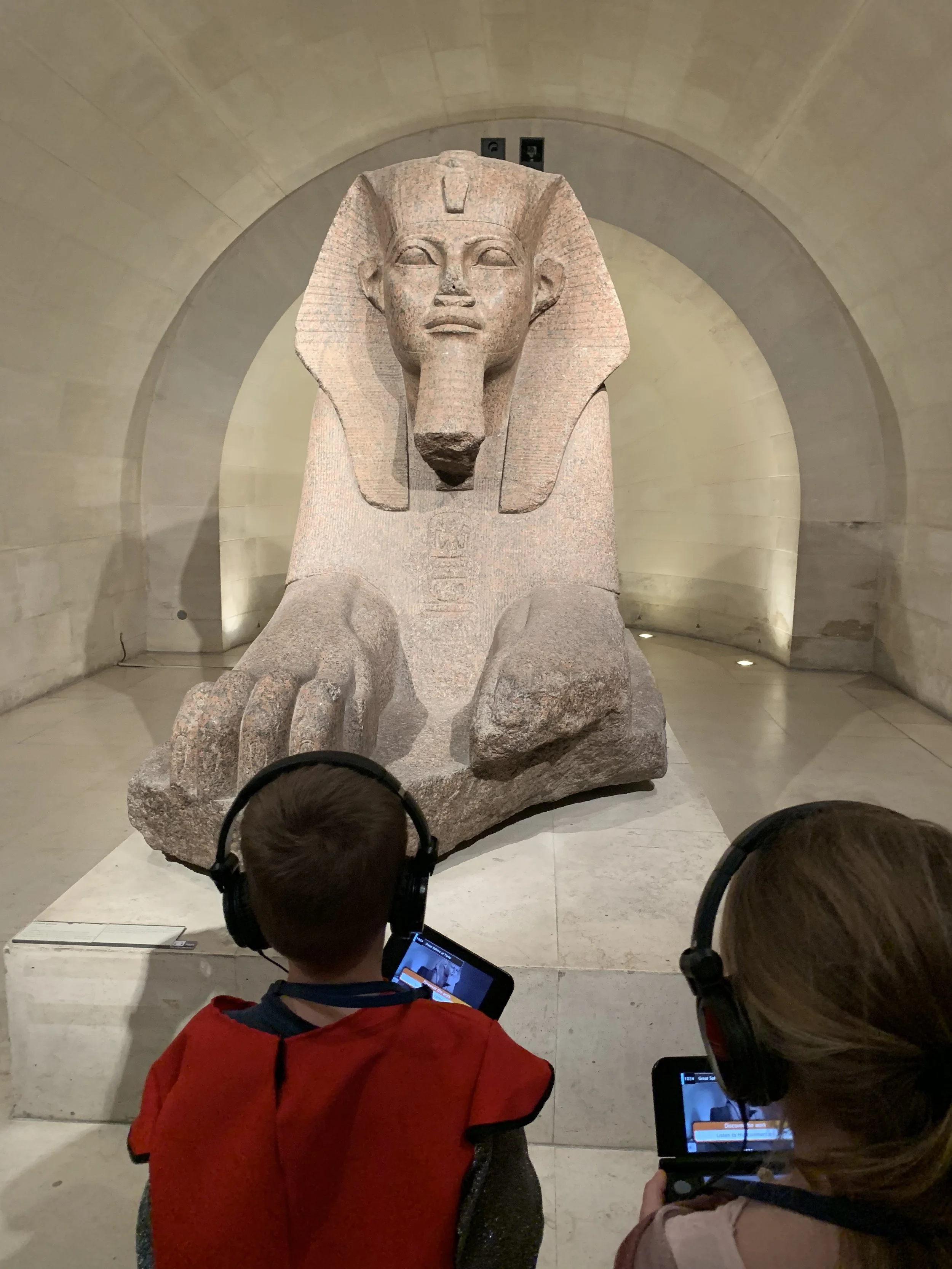
History works the same way. Standing inside a centuries-old cathedral or walking a cobbled street that's older than your entire country does something a textbook can't. Kids start asking the right questions on their own. Who built this? How? Why is it still here? Math hides everywhere on a trip too, and the good kind, the kind with stakes. Splitting a restaurant bill, calculating how many more colones you can spend before you run out, estimating whether you'll make the connecting train. We've found that handing a kid a small amount of local currency and making them the official "snack budget manager" teaches more about money than a month of allowance ever did.
Social Skills and Empathy: Meeting People Who Are Different from Them
This is the lesson you can't replicate at home. When a child orders food in a language they don't speak, navigates a playground where the other kids' rules look unfamiliar, or watches their parents struggle politely with a stranger and figure it out anyway, they're learning how to be a person among other people who do things differently.
Empathy grows from proximity. A kid who has played soccer with children in another country, even badly and without sharing a word of language, has internalized something no curriculum delivers: that "different" doesn't mean "less" or "wrong," just different. They learn to read body language, to be patient with confusion, to assume good intent across a gap they can't fully bridge. Those are adult skills, practiced young.
Independence, Responsibility, and Problem-Solving
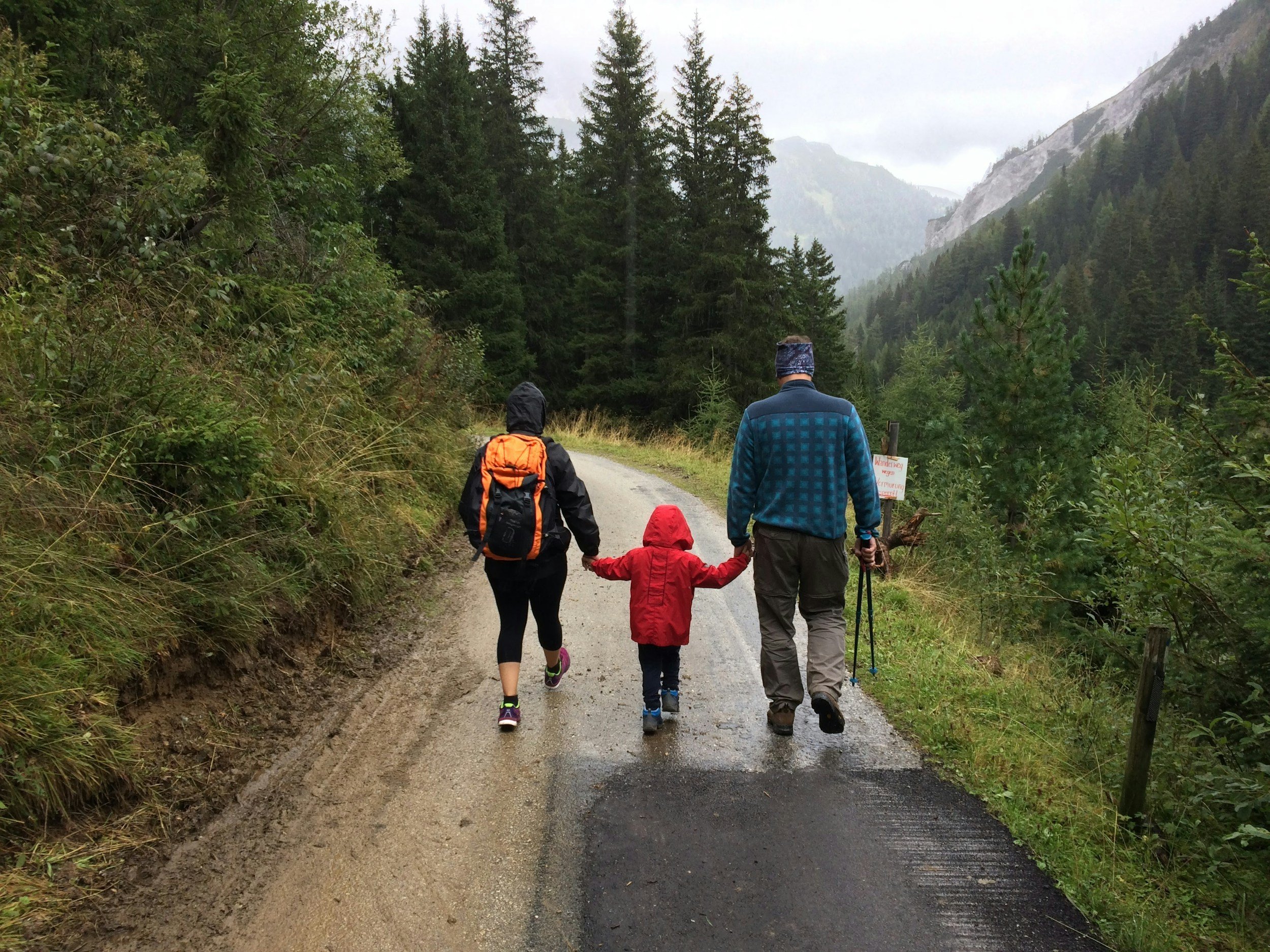
Travel breaks routine, and broken routine forces problem-solving. The bus is late. The trail is muddier than expected. The thing you planned is closed. At home, a parent smooths all of this over before the kid even notices. On the road, kids see the friction, see the adults work the problem, and eventually get pulled in to help solve it.
Give them real jobs. Let an eight-year-old hold the map and call the next turn. Put a ten-year-old in charge of the daypack and the water bottles. Have a tween read the train board and tell the family which platform. These aren't busywork. They build the quiet confidence that comes from being trusted with something that matters, and from recovering when they get it wrong. Our age-by-age guide to outdoor experiences leans hard on this idea, because nothing builds responsibility like a kid who knows the family is counting on them.
Emotional Skills: Gratitude, Humility, and Curiosity
Seeing how other people live, including people with far less than you have, plants gratitude in a way a lecture never could. Kids notice. They notice when other children are delighted by a soccer ball, when a host family shares everything they have, when the "poor" version of something is somebody's whole, warm home. Humility follows: the world is enormous, and their normal is just one normal among thousands.
Curiosity might be the biggest prize of all. Travel rewards the question "what's that?" over and over, and kids who get that reward learn to keep asking. That habit, the reflex to be interested rather than bored, is the engine behind every good student and most happy adults.
Learning Benefits by Age: What to Expect at Different Stages
Here's the gap almost no other article fills. A four-year-old and a twelve-year-old get completely different things from the same trip, and knowing what to expect saves you from disappointment (and from overspending on experiences a toddler won't remember).
| Age stage | What they learn best | What to lean into |
|---|---|---|
| Toddlers (1–3) | Sensory exposure, flexibility, comfort with new places and faces | New tastes, textures, sounds; keeping routines loose; low expectations on memory |
| Preschool (4–5) | Vocabulary, basic geography, curiosity, early empathy | Simple maps, animal spotting, "how do you say hello here?" games |
| Early elementary (6–9) | Real-world math, history hooks, responsibility, social courage | Money jobs, navigation roles, journaling, ordering their own food |
| Tweens (10–12) | Cultural nuance, independence, deeper history and geopolitics | Planning input, solo-ish tasks, comparing cultures critically |
The part nobody says out loud: very young children often won't remember the trip itself. A two-year-old will not recall the beach in Mexico. But that's not the same as the trip being wasted. Toddlers who travel build adaptability, ease with new environments, and a baseline comfort with the world being big and changeable. Those traits compound for years. The memory might be yours, but the flexibility is theirs to keep.
By early elementary, kids start banking real memories and real skills, which is when intentional learning roles pay off most. Tweens are the sweet spot for the heavier stuff: history with context, cultural comparison that goes beyond "weird" to "interesting," and a genuine voice in planning the trip. Let a twelve-year-old help build the itinerary and watch how much more they care about every stop.
How to Make Any Family Trip More Educational
Learning through travel for kids doesn't happen automatically just because you got on a plane. The families who get the most out of it are the ones who do a little before, during, and after. None of this turns the vacation into homework. It's lighter than that.
Before you go:
Read one picture book or watch one short documentary about the destination together. A kid who knows the word "volcano" before they see Arenal will lose their mind in the good way.
Pull up a map and trace the route. Let them find the country, the ocean, the city.
Learn five words in the local language as a family. "Hello," "please," "thank you," "water," "where's the bathroom." Make it a game, not a drill.
Hand older kids a piece of the planning. Our practical packing list for travel with kids is easy to share a slice of with a tween who wants ownership.
During the trip:
Give everyone a daily "job" tied to a skill: navigator, photographer, budget keeper, head of the snack supply.
Ask better questions than "did you have fun?" Try "what was the strangest thing you saw today?" or "what's one way this place is different from home?"
Keep a travel journal. Even a few sentences and a sticker a day cements the memory and builds writing without it feeling like school. A dedicated family travel journal makes this the kind of habit kids look forward to, and it doubles as a keepsake you'll fight over later.
Let them order their own food, ask their own questions, and count their own change. Resist rescuing them too fast.
After you're home:
Cook a meal from the place you visited.
Have them retell the trip to a grandparent, which is recall practice disguised as a phone call.
Tie it back when the relevant subject shows up at school. "Remember when we stood inside that castle?" turns a history unit into a personal story.
If you want a ready-made starting point, our world travel learning worksheet for kids ages 6 and up gives younger explorers structured prompts without you having to invent them on the fly.
You Don't Need to Travel Far: Local Trips Count Too
Here's the most freeing thing in this whole piece: international flights are not the price of admission. The educational mechanics, novelty, sensory richness, problem-solving, cultural contact, work just as well an hour from home as they do an ocean away.
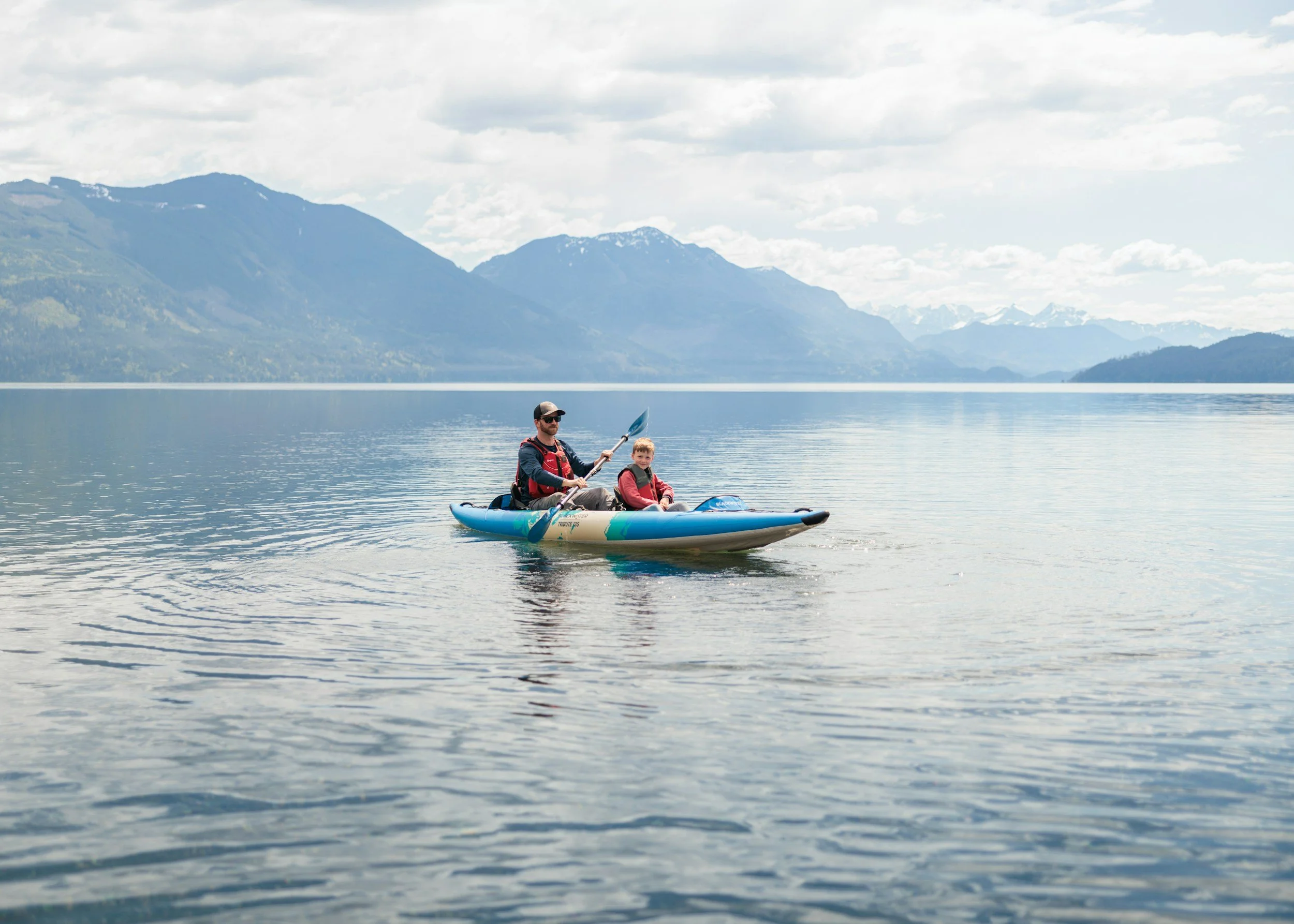
A day trip to a nearby city your kids have never explored counts. A camping weekend where they learn to set up a tent and read a trail map counts. A road trip through a region with a different history and accent than your own absolutely counts. The brain doesn't grade novelty by passport stamps. It responds to "this is new and I have to figure it out," and you can manufacture that within driving distance.
Budget shapes how far you go, not whether the learning happens. Some of the richest cultural exposure comes from immigrant neighborhoods, local festivals, regional museums, and state parks, none of which require airfare. A family that road-trips a few hours to somewhere noticeably different will often pull more learning out of the trip than one that flies far but stays inside a resort bubble the whole time. If you're curious how to slow down and travel deeper rather than farther, the case we make for embracing slow travel applies just as cleanly to a weekend two states over.
And on the days you can't go anywhere at all? Virtual tours, documentaries, video calls with family in other places, and cooking projects keep the curiosity warm between trips. Not a replacement for the real thing, but a real supplement, especially for building anticipation before a bigger adventure.
The Real Limitations Worth Naming
We'd be doing you a disservice if we pretended travel is a flawless education machine. A few caveats that the glossier articles skip:
Travel fatigue is real, and a wiped-out, overstimulated kid learns nothing except how to melt down in three languages. Pace matters more than packing the schedule. Younger children especially need downtime, naps, and boring pool afternoons; the empty hours are where their nervous systems catch up. The youngest travelers won't retain the trip, as we said, so calibrate your spending and expectations accordingly. And not every kid is wired the same way; some find constant novelty thrilling, others find it draining, and reading your own child matters more than chasing the itinerary you saw online.
The goal isn't to maximize the number of educational moments. It's to leave enough space for curiosity to show up on its own.
What the Research and Educators Suggest
Beyond the Forbes-reported educator surveys, the broader case rests on something well established in child development: experiential, hands-on learning tends to stick better than passive instruction, and emotionally meaningful experiences are encoded more deeply in memory. Travel checks both boxes almost by accident. It's experiential because you're doing things, and emotional because new places stir genuine feeling.
Worth being clear-eyed, though: there isn't a giant pile of controlled studies proving travel raises test scores, and any parent who tells you otherwise is overselling. What we have is a strong, sensible alignment between how travel works and how kids are known to learn best, plus a lot of teacher observation pointing the same direction. That's enough to act on. It's not enough to promise a report-card miracle, and we won't.
Families who want to go all in on this philosophy sometimes drift toward worldschooling, and if that idea is tugging at you, our straight-talking guide to worldschooling and family travel walks through the real logistics, the legal questions, and the money side without the rose-colored gloss. For most families, though, the beauty of learning through travel for kids is that you don't need to commit to anything that big to capture most of the benefit.
Frequently Asked Questions
Does learning through travel for kids help them in school?
Learning through travel for kids tends to help with engagement, curiosity, and social skills more reliably than with raw test scores. Forbes has reported on educator surveys linking student travel to stronger classroom performance and motivation, and that lines up with how experiential learning is understood to work. Travel primes kids to care about subjects they'll later study, which is often the harder battle. Just don't expect it to function as a substitute for showing up and doing the work at school.
At what age do kids benefit most from traveling?
Roughly ages six to twelve is the sweet spot for memory, skill-building, and cultural understanding, because kids are old enough to retain experiences and take on real responsibilities. Younger children still benefit through adaptability and sensory exposure even if they won't remember the trip, and tweens get the deepest cultural and historical payoff. There's no wrong age; just adjust your expectations and your spending to match where your kid is developmentally.
Is travel worth the expense if my child is too young to remember it?
Often yes, because the benefits for toddlers aren't about memory. Very young children who travel build flexibility, comfort with new environments, and ease around unfamiliar people, traits that compound for years. The catch is to spend accordingly. A toddler trip should prioritize low-stress logistics and family connection over expensive experiences they won't recall, so keep it simple and cheap when they're tiny.
Can we get these benefits without expensive international trips?
Absolutely, and this is the most underrated truth about educational travel. Novelty, problem-solving, and cultural contact work just as well a few hours from home, whether that's a different city, a camping weekend, or a regional festival. Budget changes how far you go, not whether the learning happens. A thoughtful local trip often beats a resort vacation abroad where the family never leaves the property.
How do I keep travel educational without making it feel like school?
Give kids real jobs and ask real questions instead of assigning lessons. Let them navigate, manage a small budget, order their own food, and journal a few lines a day. Swap "did you have fun?" for "what surprised you today?" The learning rides along inside things that already feel like the adventure, which is exactly why it sticks.
If there's one place to start, it's small and immediate: pick your next trip, even a local one, and hand your kids one genuine job to own from the planning stage forward. Watch how differently they show up when the adventure is partly theirs. The world is a generous teacher, and it's been waiting for your family to walk in.
Happy Travels!
Jen