Adventure Activities for Kids: An Age-by-Age Guide to Outdoor Experiences Families Love
Affiliate Links may be used on this website, at no additional cost to you. This means I may earn a commission if you make a qualifying purchase. There is no charge to you. Thanks for supporting this website!
Adventure activities for kids build measurable developmental skills, including risk assessment, spatial reasoning, emotional regulation, and physical confidence, all of which the American Academy of Pediatrics linked to active, child-led outdoor play in its 2018 report on the power of play. The right challenge changes by age: toddlers find genuine adventure in log balancing and tide pool wading, school-age kids are ready for trail navigation and beginner rock climbing, and tweens take on overnight backpacking, whitewater kayaking, and top-rope climbing with real ownership of the experience. Structure is the single most effective tool for reluctant or screen-dependent kids, because a specific mission with a clear goal and a finish line gets kids outside when an open-ended invitation does not. Most adventures need less gear than parents expect: water, snacks, weather-appropriate layers, sun protection, a basic first-aid kit, and activity-specific safety equipment like helmets and life jackets cover the large majority of outings. Matching the difficulty to the least adventurous child in the group, building in buffer time, and stopping while everyone is still having fun are the three decisions that determine whether a family leaves wanting more or wanting a nap.
The difference between outdoor play and a real adventure comes down to one thing: a little bit of healthy challenge. Blowing bubbles in the backyard is lovely, but it's not what most parents mean when they go searching for adventure activities for kids. They want the heart-pounding, slightly-out-of-comfort-zone stuff. The scramble up a rocky trail. The first paddle across a calm bay. The night hike where everyone whispers because the woods feel alive.
So that's the angle we're taking here. This is a guide to adventure activities for kids that earns the word "adventure" rather than recycling the same chalk-and-sidewalk list you've already seen a dozen times. We've organized everything by age so you can act on it today, plus the big-ticket family experiences worth building a trip around, the gear that matters, and a quick look at why this kind of risk-taking is so good for growing brains.
What Makes an Activity a True "Adventure" for Kids
An adventure has a challenge baked into it. There's a small unknown, a problem to solve, or a physical hurdle that takes effort to clear. That's what separates it from regular play, and it's exactly the ingredient that lights kids up.
Think of it as a spectrum. On one end, a toddler clambering over a fallen log feels every bit as adventurous to them as a tween rappelling down a climbing wall does. The challenge just has to match the child. A good adventure activity sits at the edge of what a kid can comfortably do, with a manageable amount of risk, a real sense of accomplishment at the end, and ideally a story they'll retell at dinner.
The risk part matters, and we'll come back to it. For now, hold onto this idea: the goal isn't to keep kids safe from all discomfort. It's to give them the right kind of challenge at the right age, with you close enough to catch them if it goes sideways.
Adventure Activities for Toddlers and Preschoolers (Ages 2 to 5)
Little kids find adventure in things that barely register to us. A muddy puddle is an ocean. A pile of leaves is a mountain. The trick at this age is to slow down to their pace and let the world feel enormous.
Start with what's underfoot. Toddlers love a job, so hand them a paper bag and turn a walk into a treasure mission: one smooth rock, one yellow leaf, one stick taller than their arm. Our printable scavenger hunt clue cards work beautifully for the just-learning-to-read crowd because you can read the clue out loud and let them race to spot the answer.
Other adventures that land well with the 2-to-5 set:
Puddle stomping and mud kitchens — rain boots on, and let them go. Splashing teaches cause and effect, balance, and the joy of a little chaos.
Log balancing and boulder scrambling — any low, stable surface becomes a balance beam. Spot them with a hand nearby, not a hand holding theirs.
Bug and worm hunting — flip a rock, see who lives underneath. A cheap magnifying glass turns this into a half-hour expedition.
Backyard obstacle courses — crawl under the picnic table, hop over the hose, run to the tree and back. They'll demand to do it twenty times.
First tide pool wading — if you're near a coast, ankle-deep tide pools are pure magic at this age.
Keep sessions short, snacks plentiful, and expectations loose. A successful toddler adventure might last fifteen minutes before someone needs a nap, and that's a win.
Adventure Activities for Kids Ages 6 to 10
This is the sweet spot. Kids in this range have the coordination, attention span, and fearlessness to take on real challenges, and they're old enough to follow safety rules without you hovering over every step. Lean into it.
Trail and woodland adventures
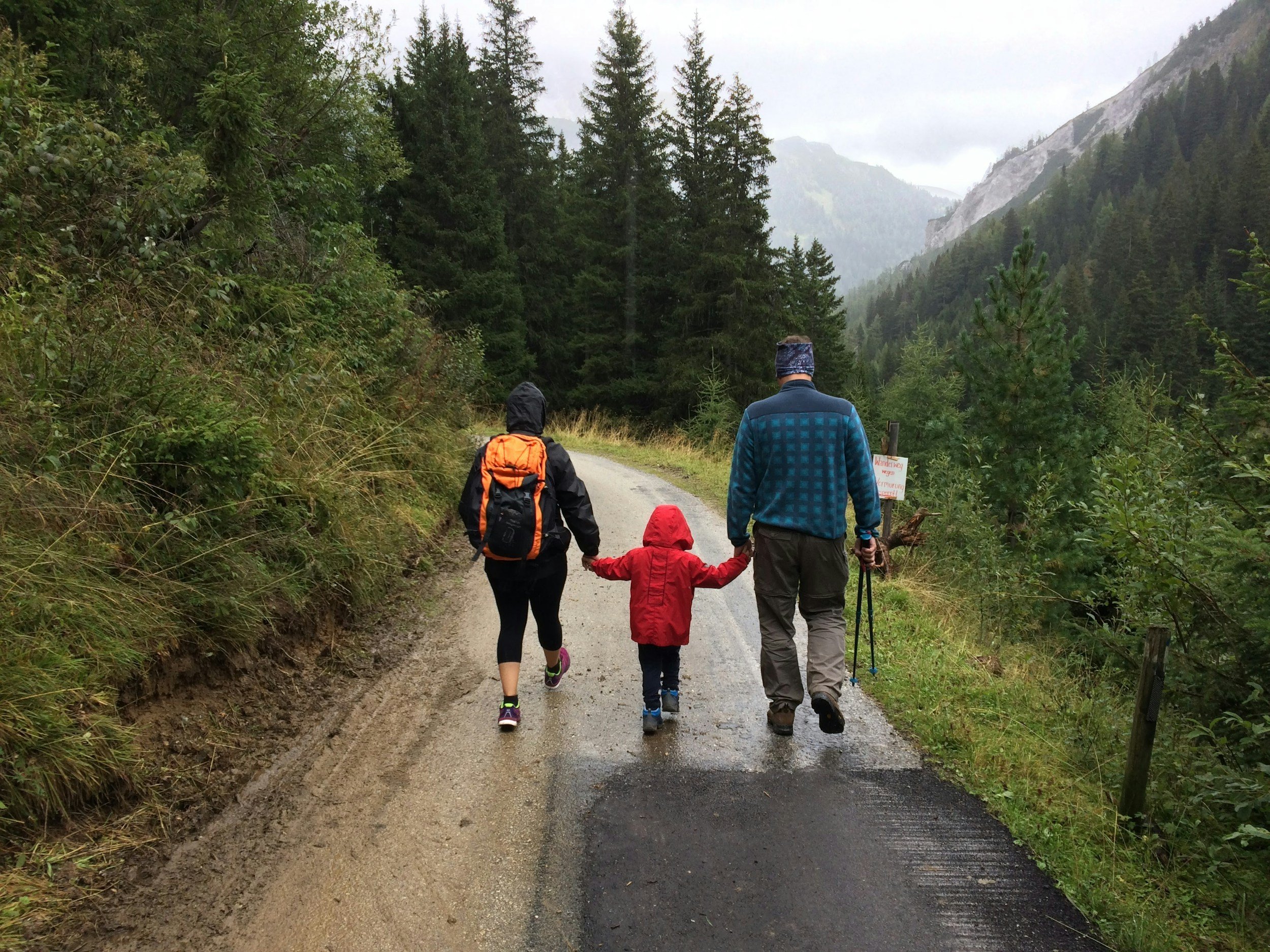
Six-to-ten-year-olds can handle a proper hike if you make it about discovery rather than distance. Give them a mission. Map a route together and let them lead. Hide a small "treasure" at the turnaround point. Challenge them to find five different kinds of leaves or to spot animal tracks in soft ground. A great kid-friendly trail does half the work for you, which is why we keep coming back to trails like the bamboo-lined route on Maui's Pipiwai Trail in Haleakala National Park — the scenery itself keeps everyone moving.
Skill-building challenges
Kids this age love mastering something concrete. Teach them to build a small fort or lean-to from fallen branches. Show them how to use a real (kid-sized) compass and run a simple backyard orienteering course with hidden checkpoints. Let them try fire-building safety basics under close watch, or knot-tying with a length of rope. These survival-style games hit the adventure sweet spot because there's a skill to nail and a clear payoff.
Two-wheel and balance adventures
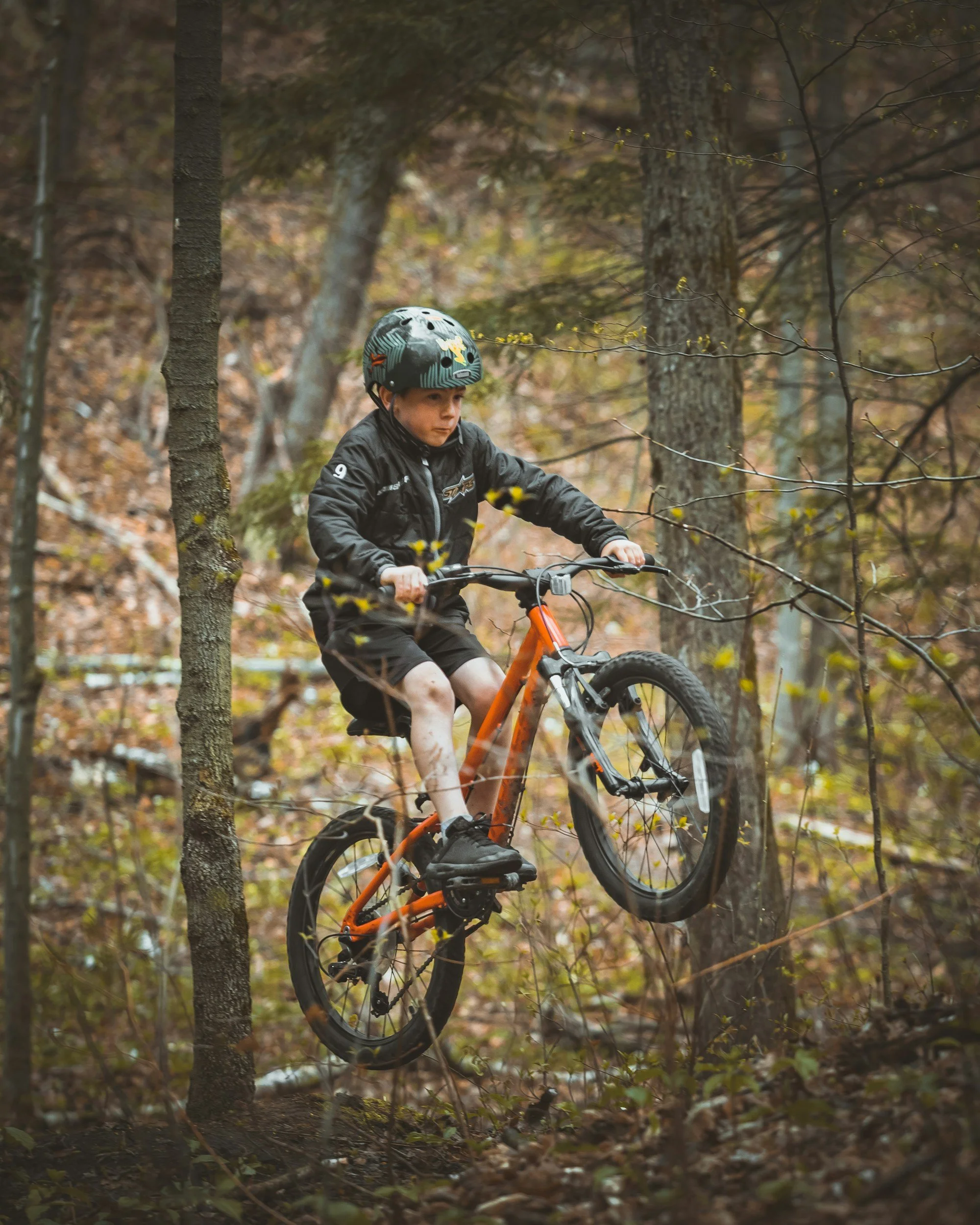
Bike trails, pump tracks, and gentle mountain biking open up once kids are confident riders. The same goes for early rock scrambling on beginner routes, where they use hands and feet to work up a low boulder or rocky slope. Plenty of families also fold in a first organized sport at this stage; if you're weighing what your kid is ready for, our rundown of beginner sports worth starting early covers how to read readiness without pushing too hard.
Adventure Activities for Tweens Ages 11 to 13
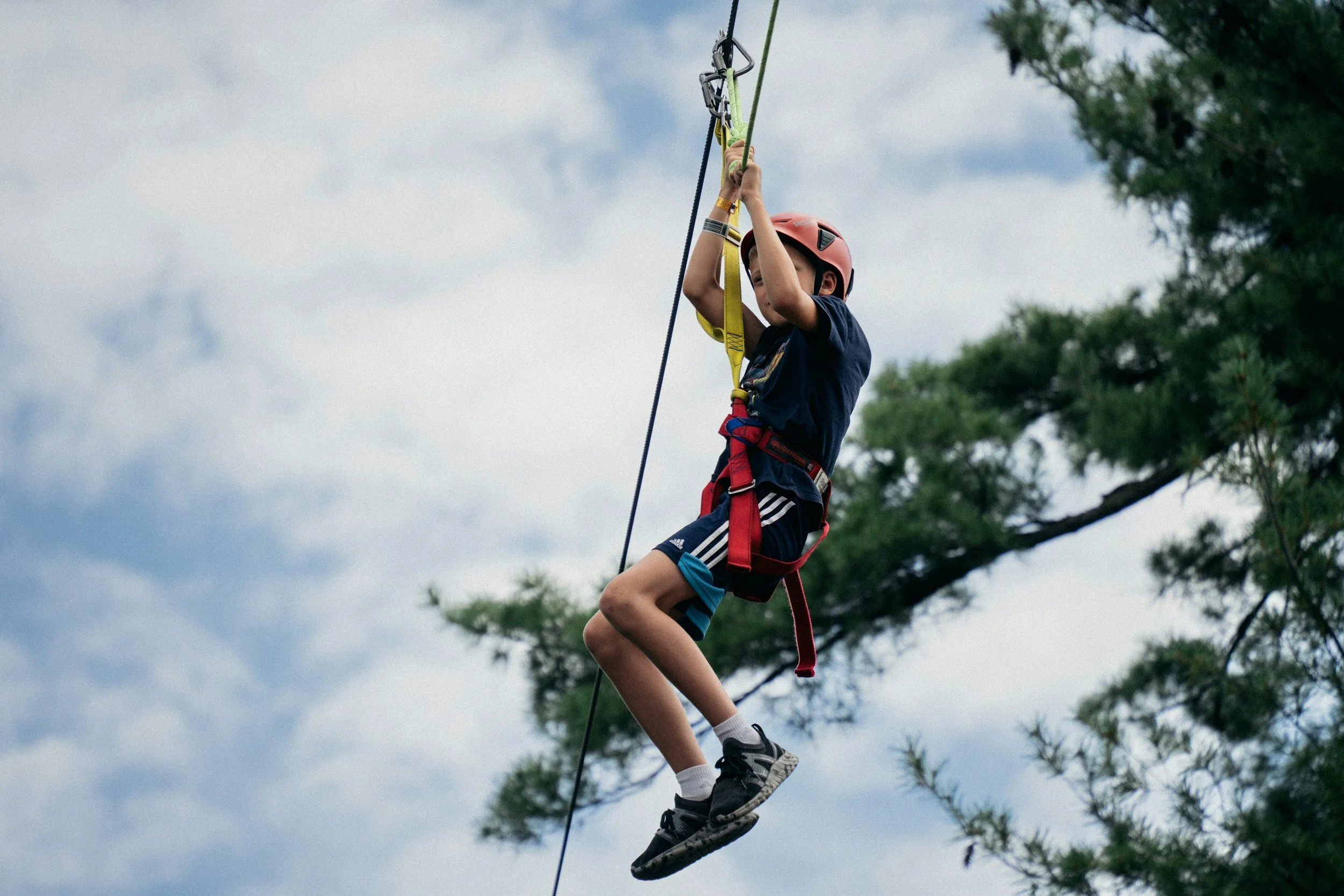
Tweens want the real thing, and they can usually handle it. The challenge at this age isn't capability — it's keeping them engaged when screens and friend drama are competing for attention. The answer is to raise the stakes and give them ownership.
Hand a tween the trail map and let them navigate the whole route. Make them the trip's gear captain, responsible for packing the day bag. Let them belay (with proper instruction and supervision) at a climbing gym, or take the front seat in a tandem kayak. The shift from "being taken on an adventure" to "co-leading the adventure" is what hooks this age group.
Adventures that resonate with 11-to-13-year-olds:
Top-rope rock climbing — whether outdoors with a guide or at an indoor gym, climbing rewards problem-solving and grit in equal measure.
Longer overnight backpacking — a one-night trip where they carry their own pack and help set up camp feels like a real step up.
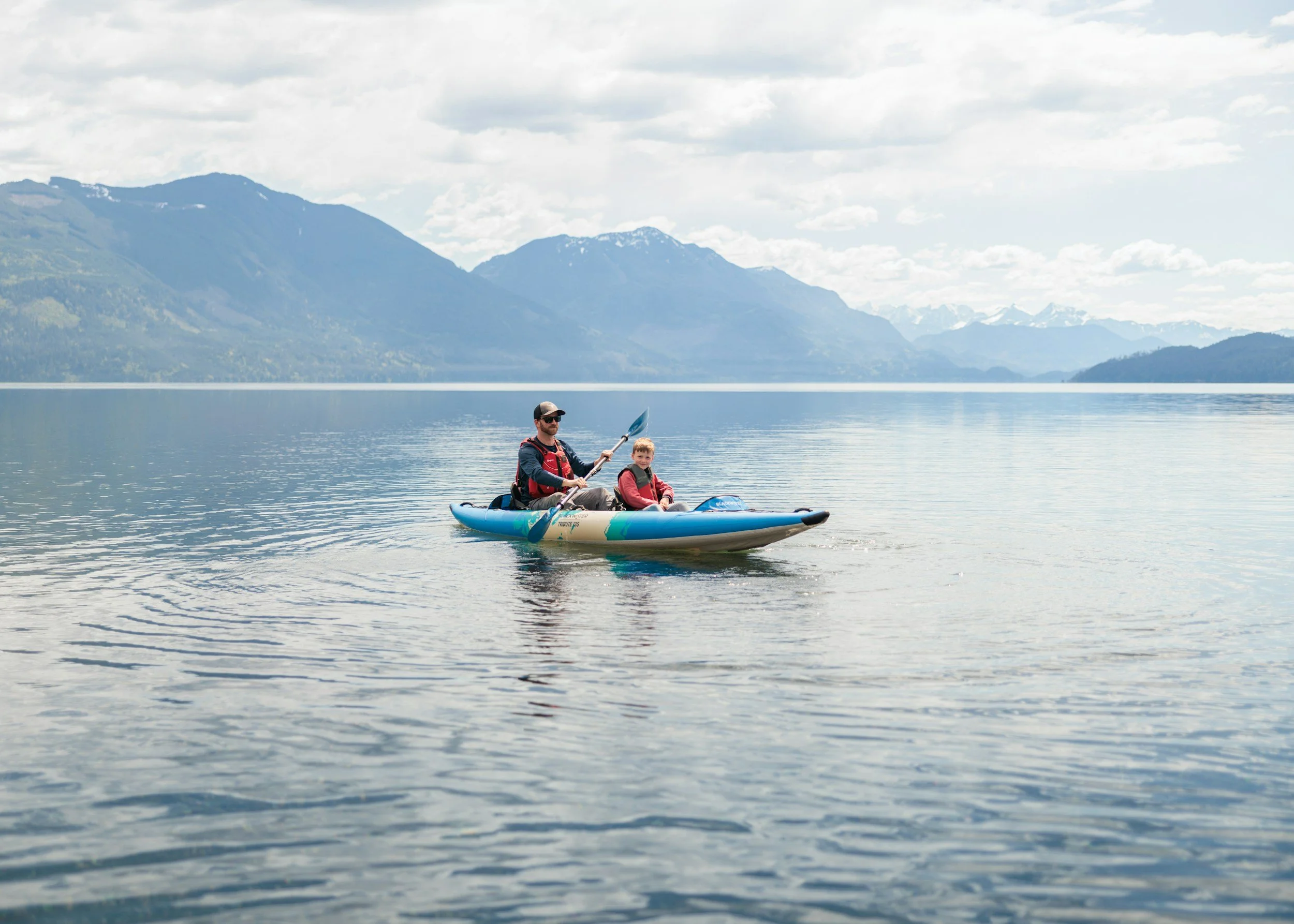
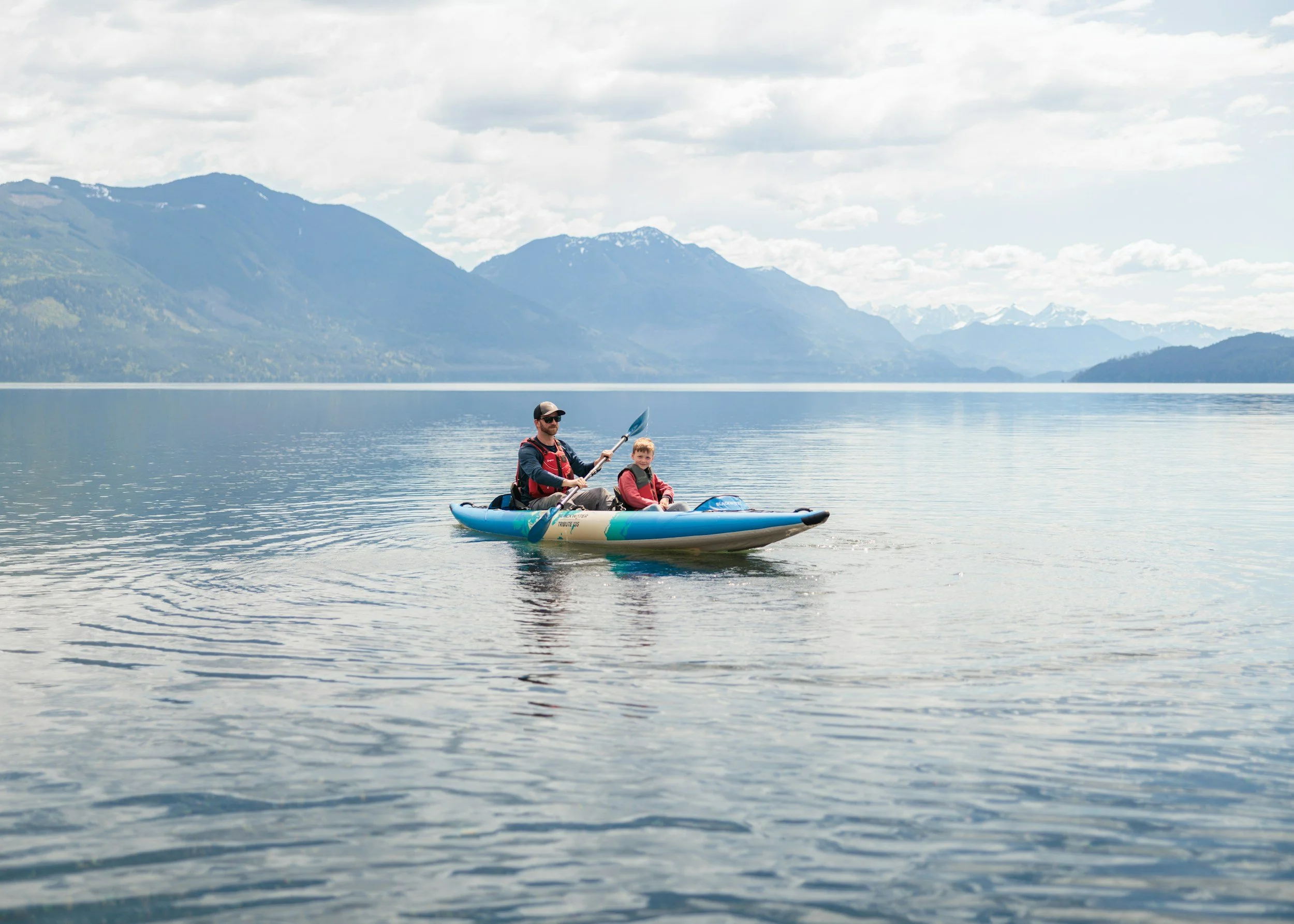
Whitewater or sea kayaking — with the right outfitter and conditions, this is a thrill they'll talk about for years.
Geocaching and advanced orienteering — GPS-based treasure hunting combines tech they love with real navigation.
Zip lining and high ropes courses — a controlled adrenaline hit that builds confidence fast.
One fair warning: tweens will roll their eyes at "family time" and then have the time of their lives once they're in it. Push through the initial resistance. The activity itself wins them over.
Backyard Adventure Activities (No Travel Required)
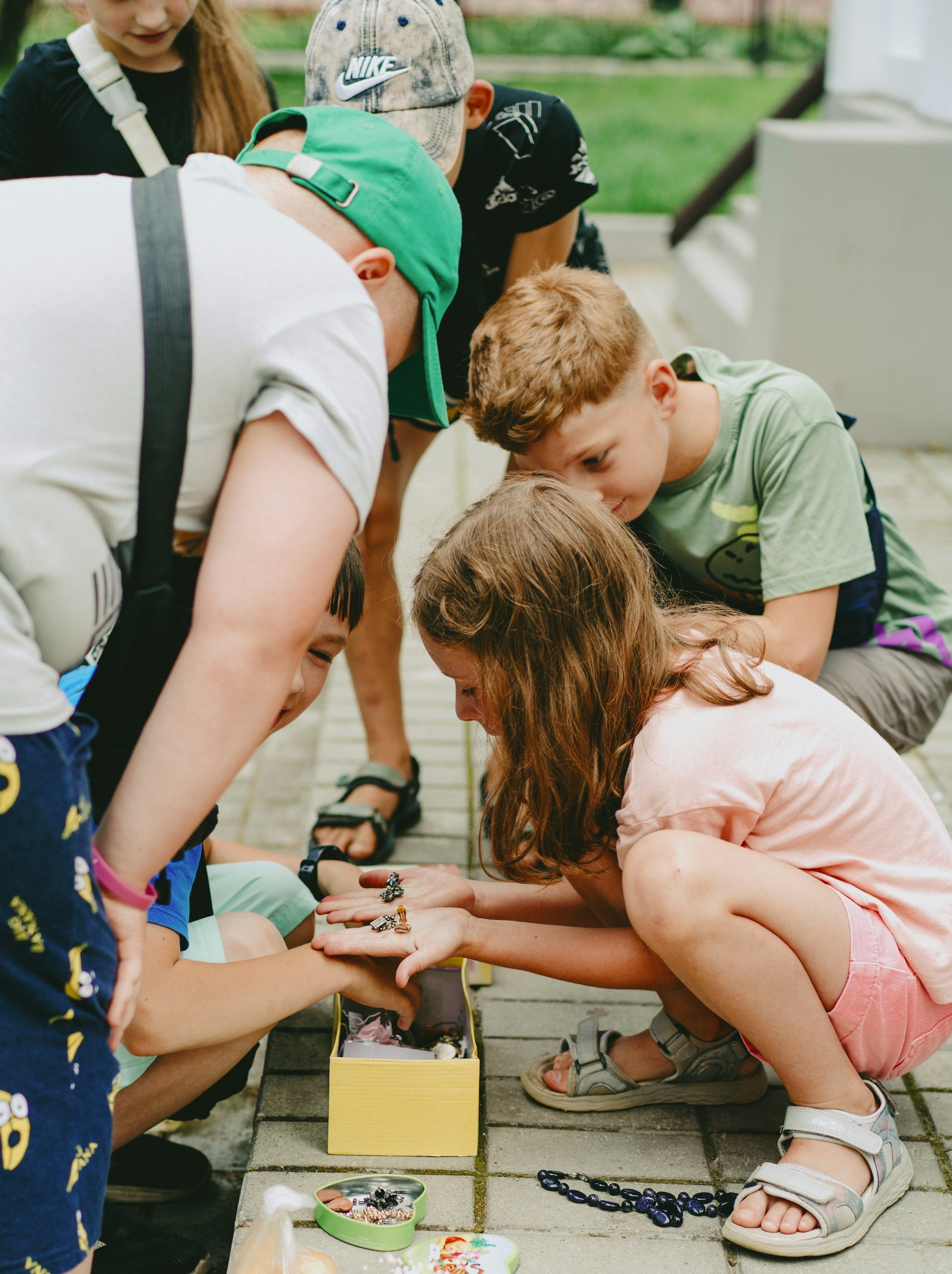
You don't need a trailhead or a coastline to deliver a real adventure. The backyard, the local park, even the driveway can become an adventure zone with a little imagination and almost no gear.
Set up a timed obstacle course and let kids try to beat their own record. Run a nighttime flashlight scavenger hunt after dinner — the dark changes a familiar yard into somewhere thrilling. Pitch a tent and let them "camp out" for a few hours, or all night if they're brave. Dig for "fossils" you've buried in a sandbox. Build a den and defend it from imaginary explorers.
For rainy days or low-energy parents, a structured indoor-to-outdoor adventure works wonders. A printable escape-style game gives kids a mission with clues, locked "doors," and a finish line, and it travels easily from kitchen table to backyard. Our printable escape room games are designed exactly for this kind of low-prep, high-engagement afternoon, and they're a sneaky-good way to peel a screen-glued kid off the couch.
The fastest way to reset a screen-addicted kid is to give them a mission with a clear goal and a finish line. "Go play outside" gets a groan. "Find all six hidden clues before dark" gets them out the door.
That's the real key to backyard adventure: structure beats open-ended time for reluctant kids. Give them a reason, a rule, and a reward, and the outdoors does the rest.
Nature and Trail Adventure Activities
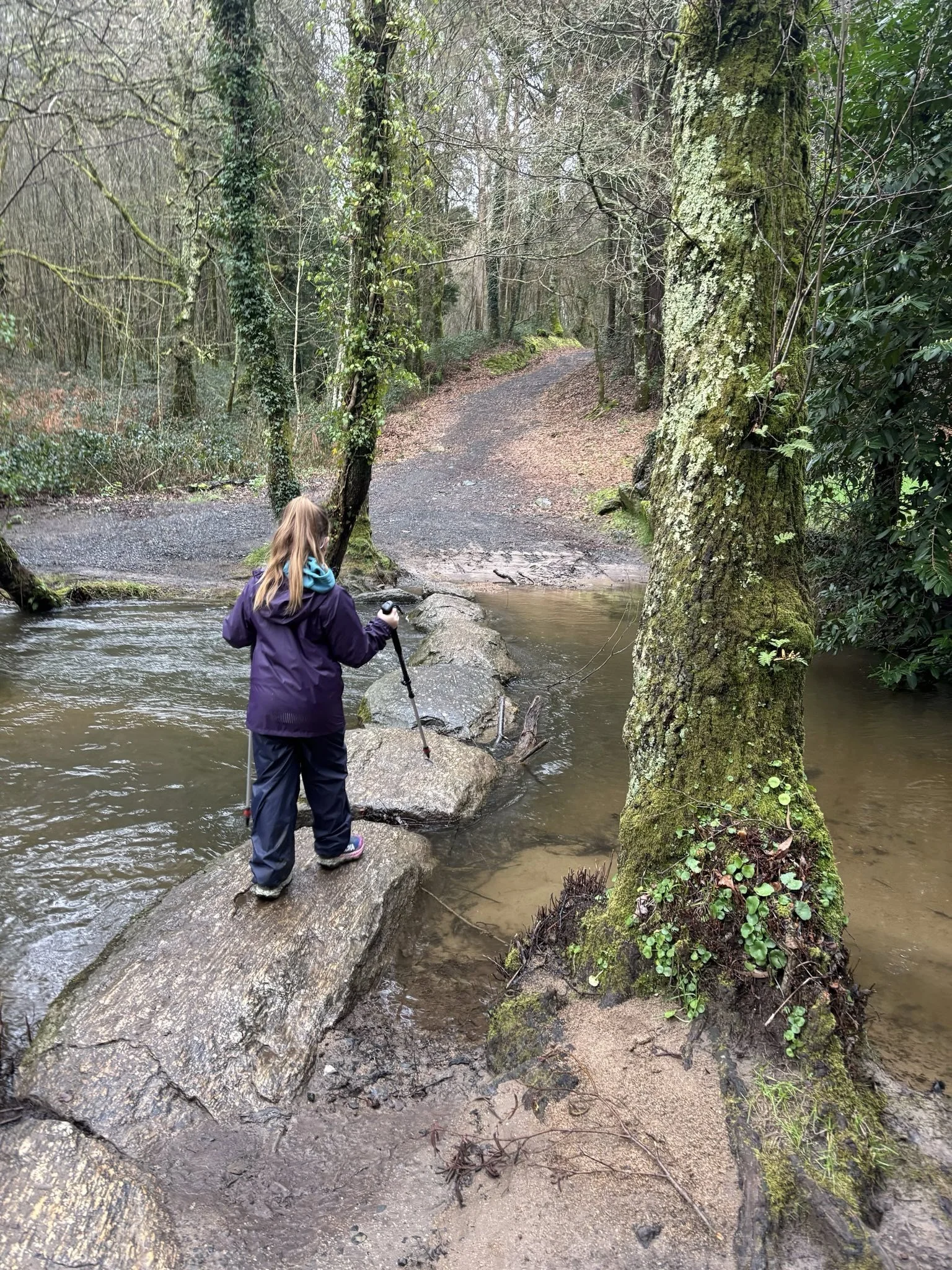
Nature is the original adventure playground, and it scales to any age. The same forest can offer a toddler a log to climb and a tween a peak to summit. What makes nature adventures stick is engagement — a hike where kids just trudge behind you gets old fast, but a hike with a job feels like an expedition.
Layer in challenges to keep trail energy high. Assign a "trail scout" to watch for wildlife. Carry a field journal and sketch what you find. Set a stretch goal like reaching a waterfall or a lookout, and celebrate hard when you get there. Time a section and try to beat it on the way back. Collect (responsibly) or photograph specific finds.
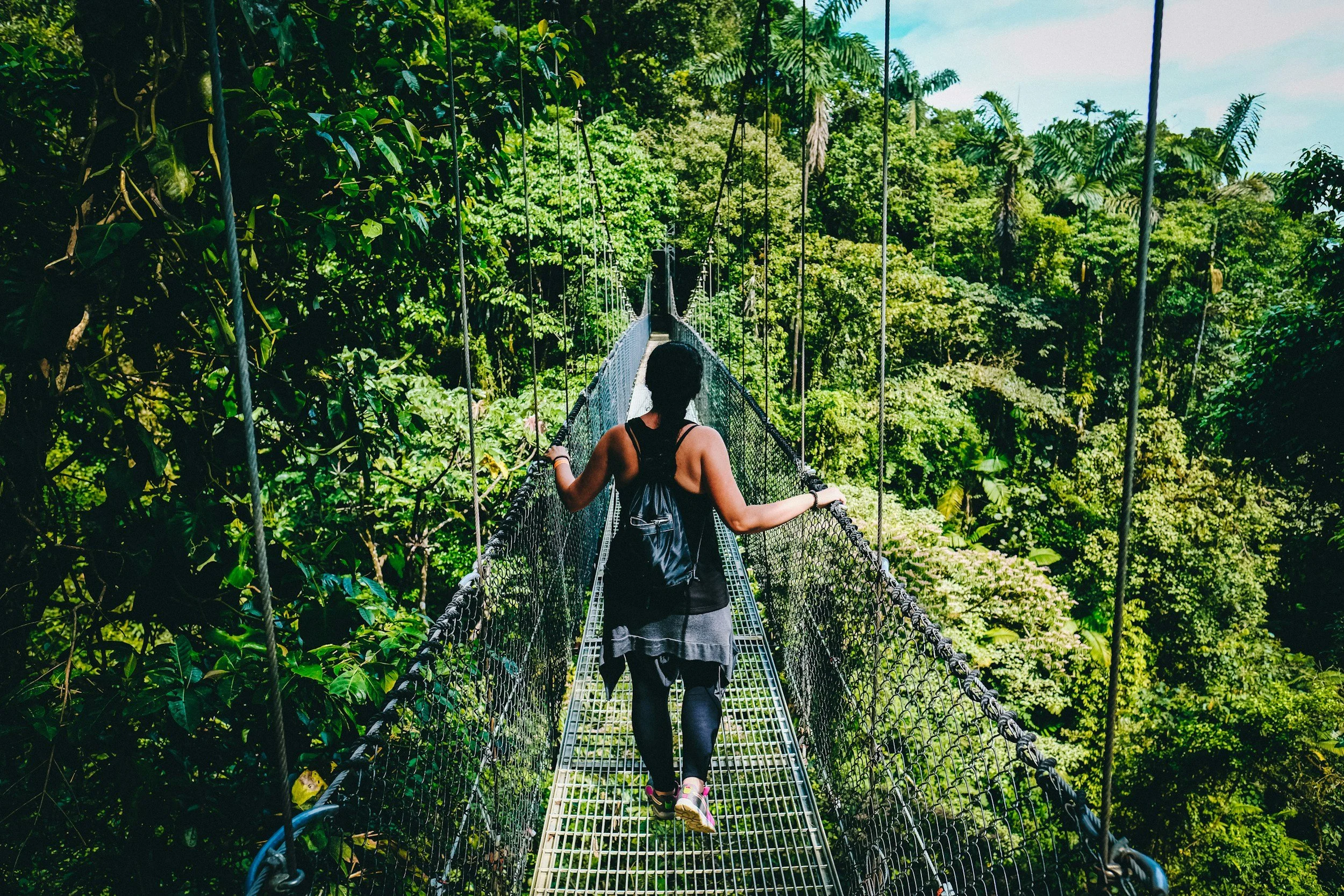
If you want a bigger nature backdrop, destinations built around adventure do a lot of the heavy lifting. Costa Rica is one of our favorites for exactly this reason — the hanging bridges, jungle trails, and wildlife turn an ordinary walk into a constant stream of "did you see that?" moments, and our guide to the best hiking trails in Costa Rica maps out which routes work with kids. Closer to home, even a modest regional park can become a real outing; we've written up gentler family walks like our day at Crawford Lake in Ontario that prove you don't have to fly anywhere to find a great trail.
Water-Based Adventure Activities for Kids
Water adds an instant jolt of excitement to any adventure, and there's a version for every age and skill level. The progression is the fun part — what starts as splashing in a tide pool becomes snorkeling, then kayaking, then surfing as kids grow into bigger water.
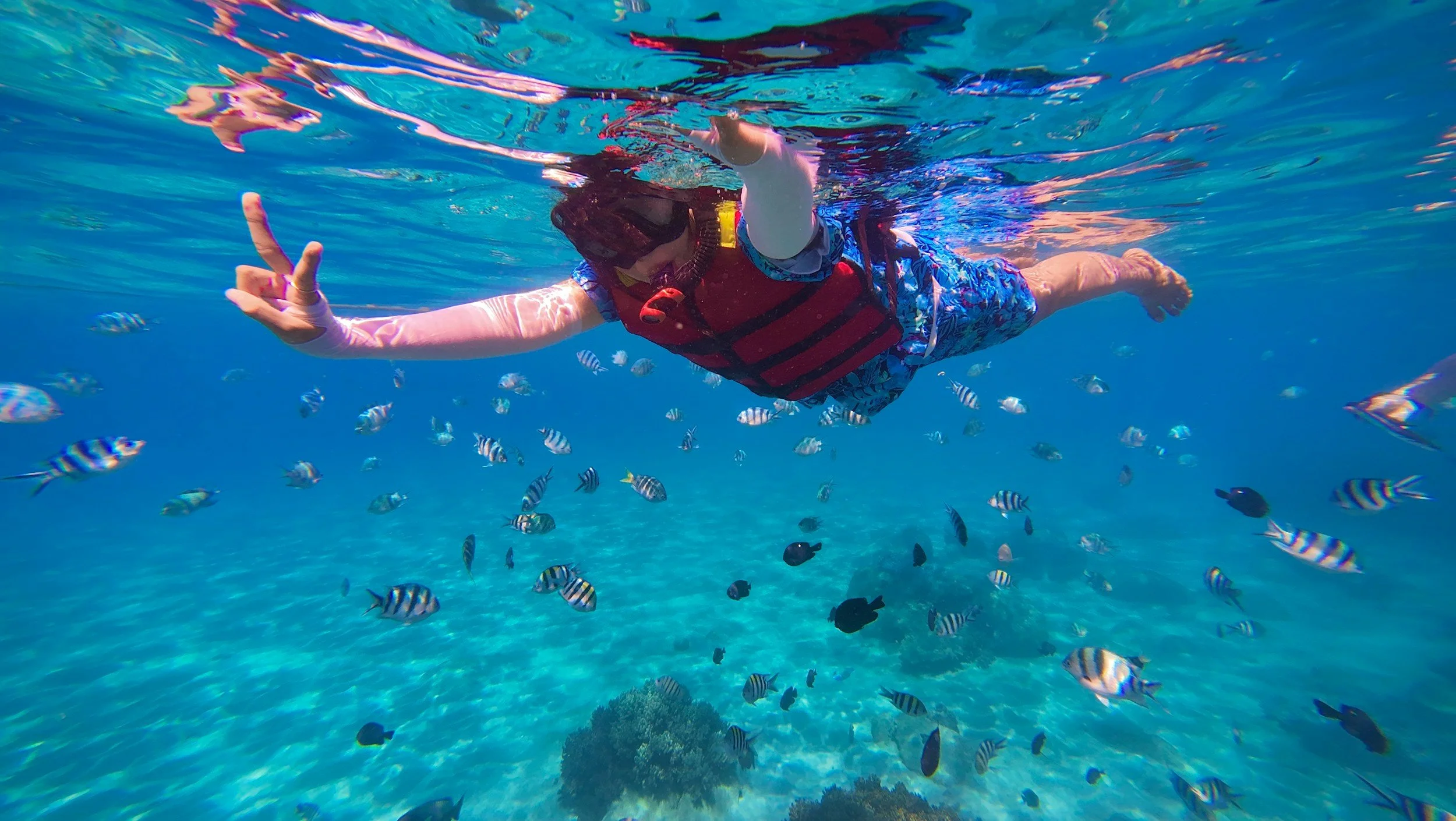
Match the activity to the child. Toddlers and preschoolers do best in calm, shallow water: tide pools, lake edges, gentle creek wading. School-age kids can start snorkeling in protected bays, paddle in tandem kayaks or canoes, and take their first surf lesson on small, foam-board-friendly waves. Tweens are ready for more — solo kayaking, stand-up paddleboarding, deeper snorkeling, and longer surf sessions.
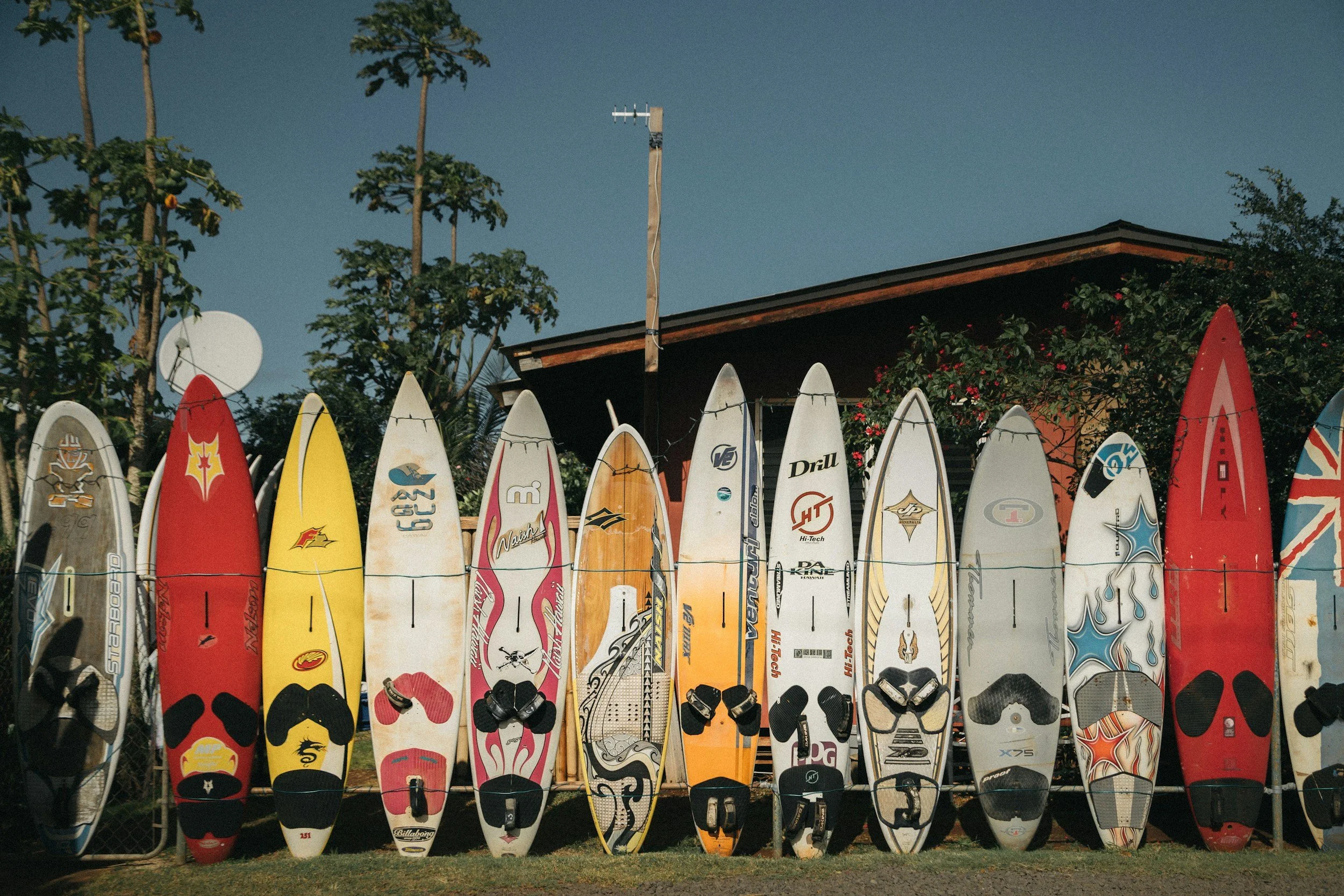
If you're planning a beach-heavy trip and want to figure out which water adventures suit younger kids, we ranked the options from gentlest to biggest in our guide to water activities for families with young kids. And if your child is itching to catch a wave, knowing the right starting age and what a first lesson involves makes all the difference — our walkthrough of surf lessons for kids covers the gear, cost, and safety side so you head in with realistic expectations.
Water adventures come with a non-negotiable rule: respect the conditions. Check currents, swim near lifeguards when you can, and never let the thrill outrun the safety margin. A calm bay on a settled morning is the right place to build confidence; rough surf is not.
Big Adventure Activities to Try as a Family
Some adventures are worth building a whole day — or a whole trip — around. These are the experiences kids remember for years, the ones that turn an average family into an adventurous one. Most need a guide, an outfitter, or some real planning, but the payoff is enormous.
| Activity | Best starting age | What it builds | Planning note |
|---|---|---|---|
| Rock climbing | 4+ (gym), 8+ (outdoor) | Problem-solving, grit, body awareness | Start at an indoor gym to learn the basics |
| Kayaking | 3+ (tandem), 10+ (solo) | Coordination, teamwork, water confidence | Choose calm, sheltered water for first trips |
| Family camping | Any age | Independence, resilience, unplugging | Backyard trial run before a real campsite |
| Zip lining | 4–7+ (varies by course) | Confidence, facing fear | Check weight and height minimums first |
| Orienteering | 7+ | Navigation, decision-making | Local clubs often run beginner family events |
Camping deserves a special mention because it's the gateway adventure — it folds in fire-building, navigation, wildlife, stargazing, and a night away from screens, all in one trip. The biggest barrier is usually packing, which is why we put together a full family camping packing checklist so nothing important gets left in the garage.
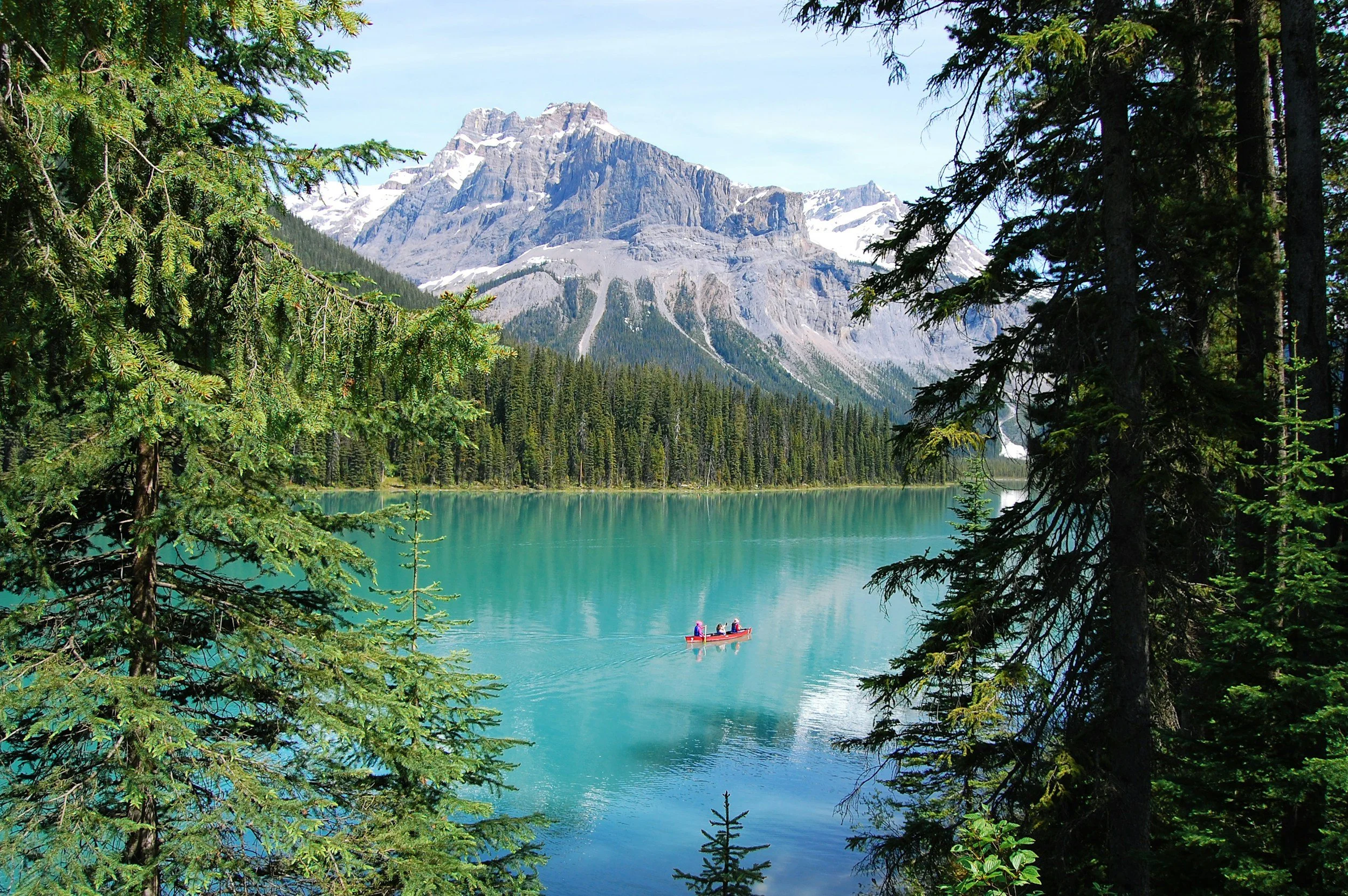
If you'd rather have the big adventures organized for you, a destination built around them takes the pressure off. Places like Costa Rica and the Canadian Rockies bundle zip lining, rafting, and wildlife into a single trip; our guide to adventure vacations for families walks through how to pick a base camp that keeps everyone happy.
How to Build an Adventure Day from Scratch
A great adventure day is mostly about preparation and pacing. The activities themselves are the easy part — what makes or breaks the day is whether everyone is fed, comfortable, and clear on the plan.
Here's the framework we come back to again and again:
Pick one anchor adventure. Choose a single main event — the hike, the paddle, the climb — and build the day around it. Don't stack three big things; tired kids ruin everything.
Match it to your least adventurous kid. Plan for the youngest or most cautious child's ability, then add bonus challenges for older siblings within the same activity.
Pack the right kit. Water and snacks (more than you think), layers for changing weather, sun protection, a small first-aid kit, and any activity-specific gear like helmets or life jackets.
Give kids a role. Map reader, snack manager, photographer, trail scout. Ownership keeps engagement high and whining low.
Build in buffer time. Adventures run long. Leave margin so a slow scramble or an extra hour at the swimming hole doesn't tip the whole day into meltdown territory.
End on a high. Finish before everyone's exhausted. Stop while it's still fun and you'll get a "can we do it again?" instead of a "can we go home?"
A printed plan helps more than you'd expect, especially with older kids who like to know what's coming. If you want a simple structure to map out the day or a whole trip of adventures, our travel itinerary planner template is a free download you can fill in for anything from a backyard morning to a week-long expedition.
Benefits of Adventure Play for Kids' Development
Adventure isn't just fun — the challenge and managed risk are doing real developmental work. Pediatric and child-development researchers have increasingly pointed to risky, physically active outdoor play as important for healthy growth. The American Academy of Pediatrics, in its 2018 report on the power of play, makes the case that active, child-led play supports everything from problem-solving to emotional regulation.
When a kid scrambles up a boulder, they're calculating risk, testing their own limits, and building physical confidence. When they navigate a trail, they're practicing decision-making and spatial reasoning. When they work a kayak with a sibling, they're learning teamwork in a setting where cooperation has immediate, obvious consequences. The mild fear and the push past comfort are features, not bugs — they teach kids that they can do hard things and recover from small setbacks.
This is why a measured dose of risk matters so much. Wrapping kids in bubble wrap robs them of the chance to learn their own limits. The aim is calculated challenge: enough to stretch them, with enough supervision that a slip becomes a lesson rather than a trip to the ER. Adventure activities for kids build the kind of resilience, creativity, and independence that carries straight into the rest of childhood.
Frequently Asked Questions
What are the best adventure activities for kids who are scared to try new things?
Start small and structured. Cautious kids do best with adventure activities for kids that have clear rules, a defined finish line, and a parent close by — think a flashlight scavenger hunt, a short guided climb at an indoor gym, or a tandem kayak where they're never alone. Let them watch first, give them a job to focus on, and celebrate the attempt rather than the outcome. Confidence builds one small win at a time, and a kid who tide-pools today is often ready to snorkel next summer.
At what age can kids start activities like rock climbing or kayaking?
Most kids can start indoor rock climbing around age 6 with proper harnessing and supervision, and move to outdoor routes by 8 or so. Tandem kayaking works for kids as young as 5 in calm water, while solo paddling usually suits ages 10 and up. Zip lining varies widely by course — some accept kids as young as 4, others set a higher weight or height minimum — so always check the specific operator's rules before you go.
How do I get my kids off screens and into outdoor adventures?
Replace open-ended "go play outside" with a specific mission. Kids who ignore a vague invitation will jump at a timed obstacle course, a hidden-treasure hunt, or a clue-based game with a real goal. Structure is the hook. Start with short, high-energy activities right after a screen session, build in a small reward, and keep the first few outings visibly fun rather than long. Once the outdoors competes on excitement, the screens lose their grip naturally.
What gear do we need for adventure activities with kids?
Less than you'd think for most outings, more for the big stuff. Day-to-day adventures need water, snacks, weather-appropriate layers, sun protection, and a small first-aid kit. Activity-specific gear — helmets for biking and climbing, life jackets for paddling, sturdy closed-toe shoes for scrambling — is where you shouldn't cut corners. For bigger trips like camping, a checklist saves you from the classic forgotten-necessary scramble.
Are adventure activities safe for young kids?
Yes, when the challenge is matched to the child and you stay close. The goal isn't zero risk — it's the right amount of risk for the age, with supervision that turns a slip into a lesson. Scale the difficulty down for toddlers, give school-age kids real but manageable challenges, and let tweens stretch further with guidance. Respect conditions, especially around water, and you can deliver real adventure safely.
The best part of all this? You don't have to wait for the perfect trip. Pick one activity from your kids' age group, grab a snack and a water bottle, and head out the door this weekend. Adventure activities for kids start the moment you decide an ordinary afternoon is worth turning into something a little bit thrilling — and once your family catches the bug, the only real question is where you'll go next.
Happy Adventuring!
Jen